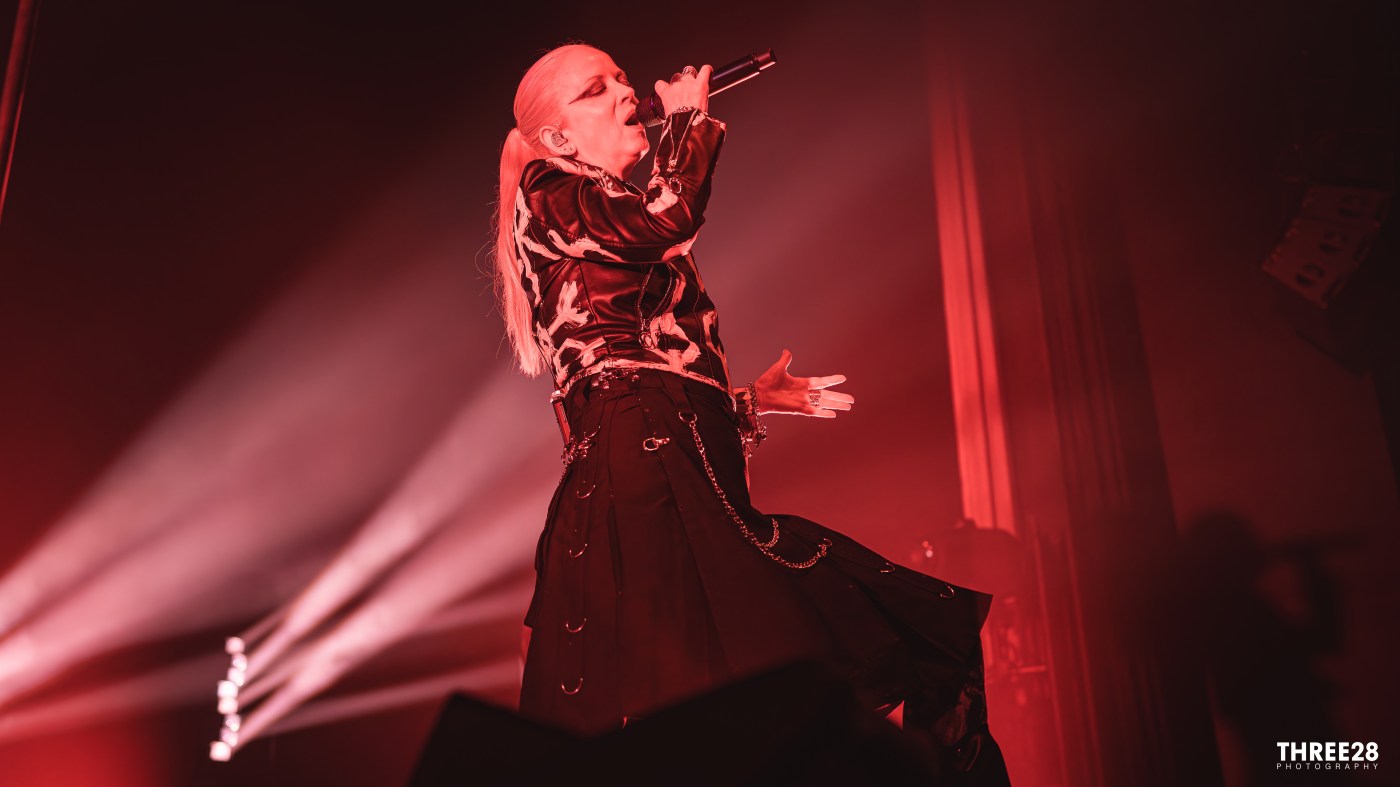
The Eastern was engulfed in a wave of anticipation. A packed crowd filled the space — not just fans, but devout believers in what Garbage has meant over the years. As one of the newer performance venues in Atlanta, The Eastern played host to what may well have been one of the most emotionally powerful stops of Garbage and their Happy Endings Tour. Rising as one of the defining alternative rock bands of the 1990s, and never quite relegated to nostalgia, Garbage have over decades charted a course blending sonic grit, electronic textures, and daring lyricism. Tonight they reaffirmed their importance — not just in rock history, but as a band still vital, still fighting, still capable of surprise.
From the first moment, the punctuality was a statement. At precisely show time, the house lights dimmed, and the stage lights snapped on: Garbage, no frills, no waiting. Shirley Manson, ever the commanding presence, took the stage instantly with the opening number from their new album Let All That We Imagine Be the Light, demonstrating that this tour isn’t just a look back but very much a forward push. The crowd, many of whom had arrived hours early, roared their approval — especially once the first familiar chords from a classic hit rang out.
Garbage formed in the early 1990s, when Butch Vig (already acclaimed producer), Duke Erikson, Steve Marker, and Shirley Manson joined forces to produce music that was both aggressive and polished, moody and melodic. Over time, they became an influence for generations of alt‐rock and electronic‐rock crossover artists. Fun fact: Butch Vig’s production work before Garbage included Nirvana’s Nevermind, a record that transformed rock; Shirley Manson has survived multiple surgeries in recent years, writing much of Let All That We Imagine Be the Light during long periods of recovery. Their chemistry thus isn’t just musical — it’s born of shared experience, resilience, and mutual respect.

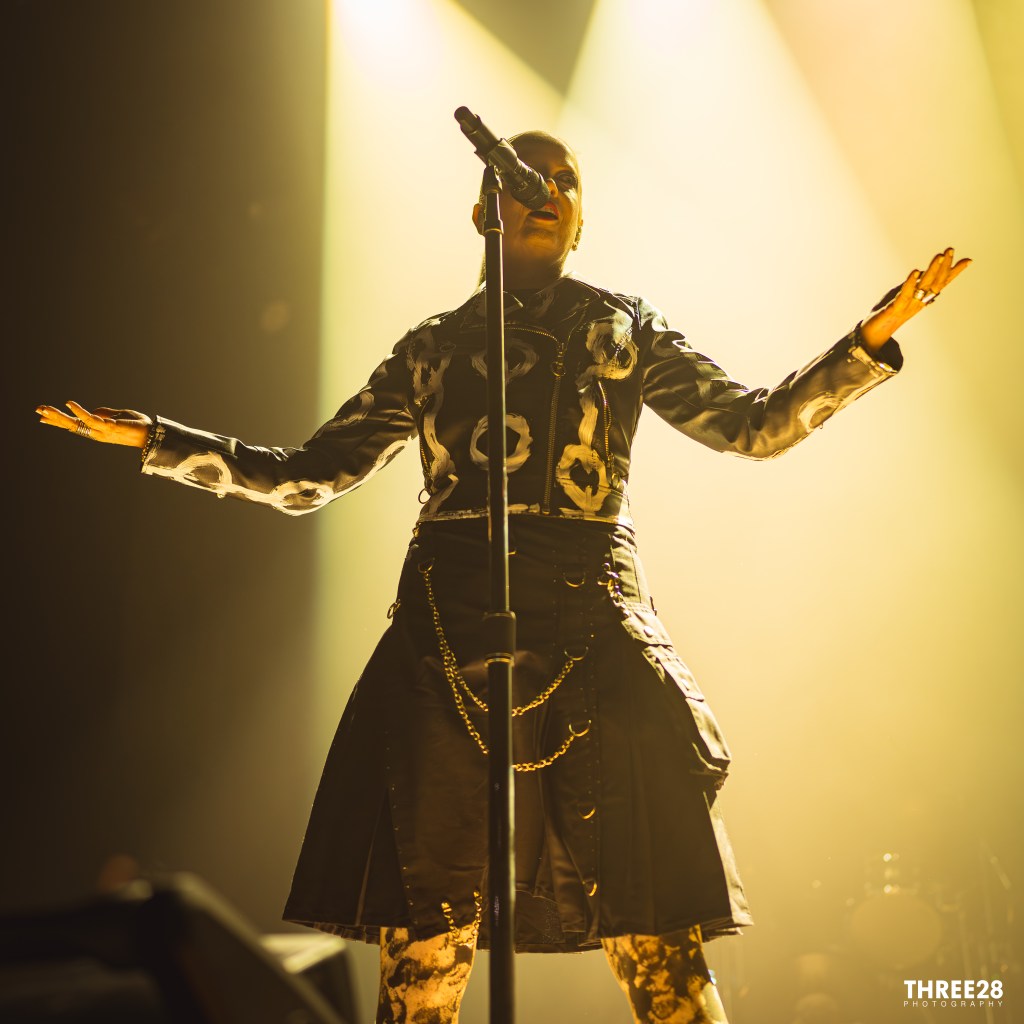
One of the night’s visual highlights was Shirley’s stage look. Clad in black rocker boots that added a fierce, grounded edge; her skirt, dark and draped with metal chains and links that caught the lights every time she moved; over it, a black and white leather jacket emblazoned with the word “QUEER” across the back. It was as if her outfit were a manifesto — proud, defiant, radiant. Throughout the set, each piece of clothing worked in concert with her performance: chains swinging when she lunged forward, the boots planting her in place when she delivered a growl or a shout. It wasn’t just costume— it was identity.
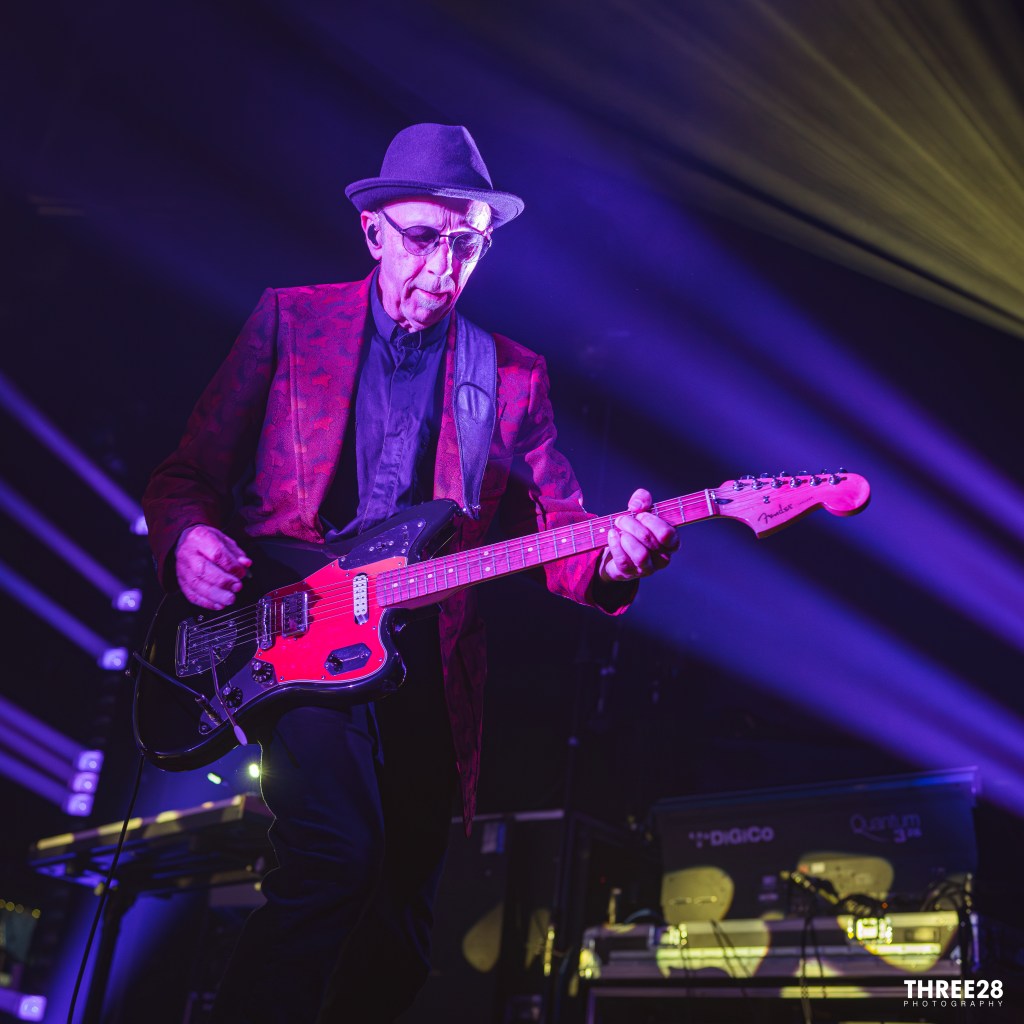
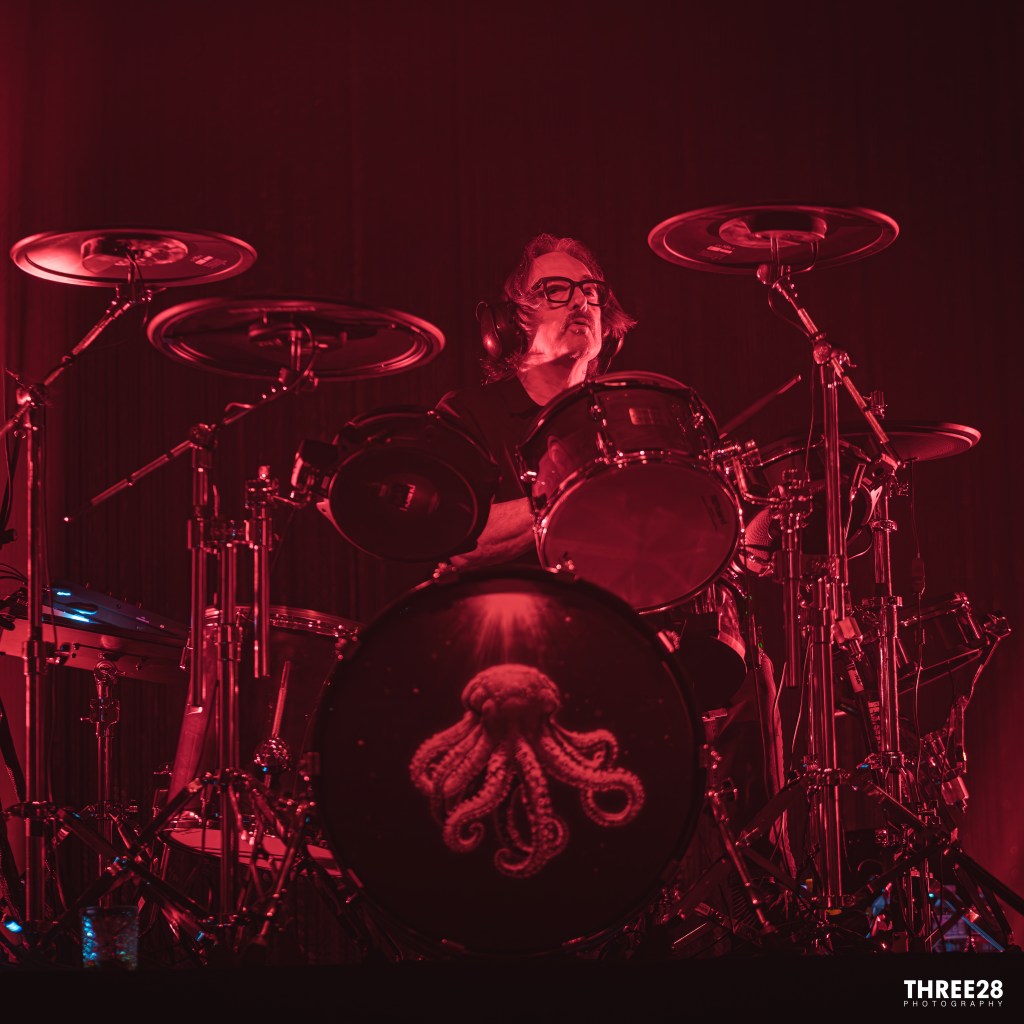
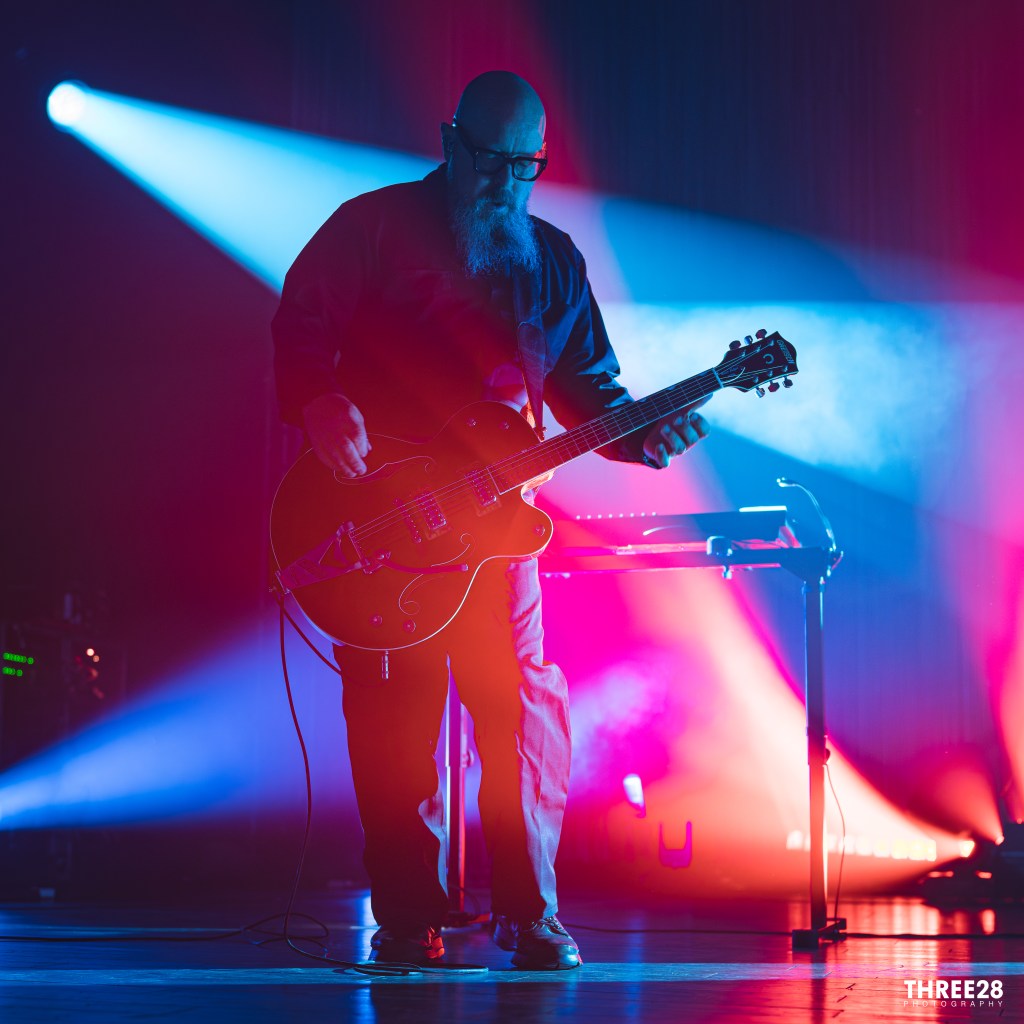
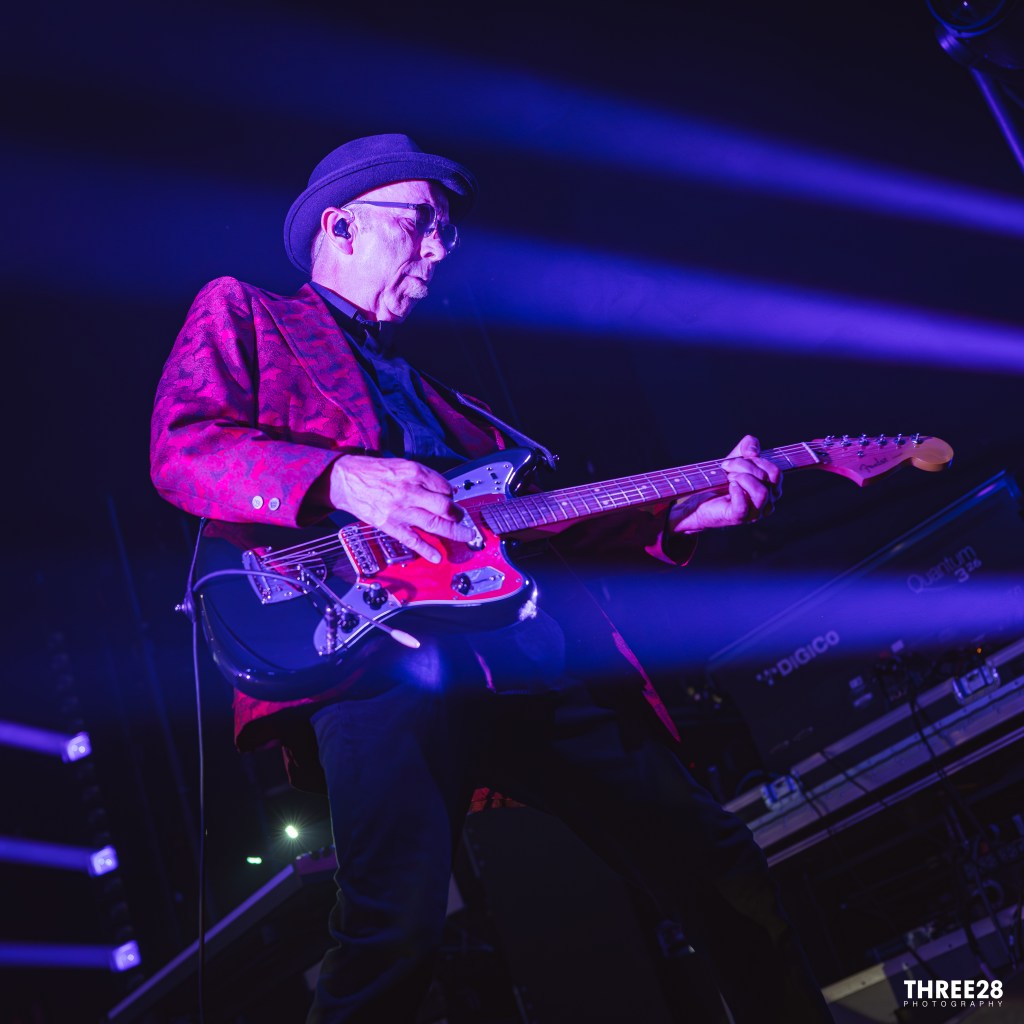
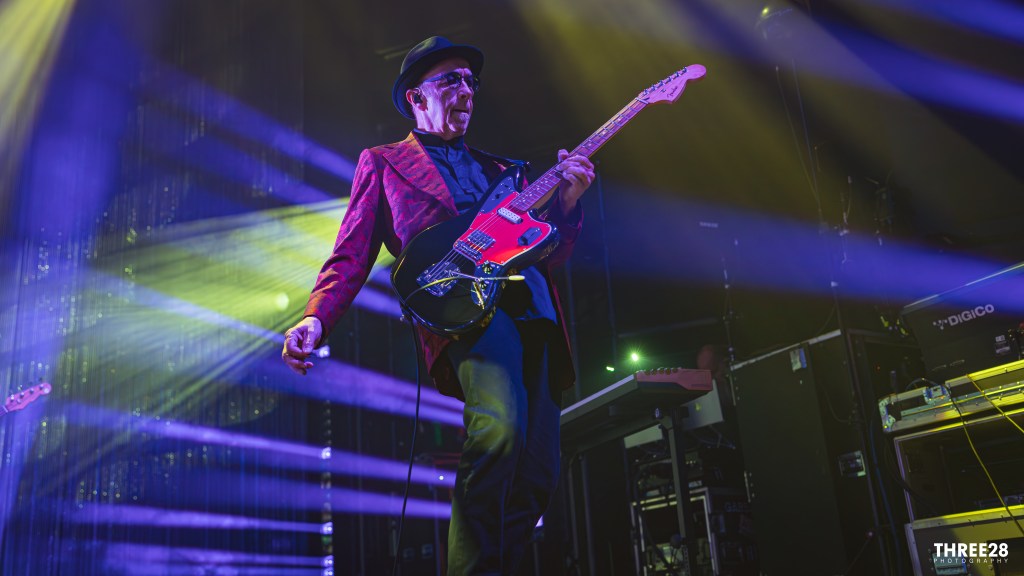
Duke Erikson and Steve Marker traded guitar lines with precision and mischief, sometimes launching into angular riffs, other times laying back into a wash of reverb. Butch Vig’s drum work — sharp, dynamic, full of nuance — pushed the pulse of every song; the way he shifted between tight snare rolls and open cymbal crashes revealed a drummer not content to merely keep time, but to paint with it. Shirley’s vocals moved from growling defiance to vulnerable softness: in one song she’d scream into the mic, and in the next whisper lyrics that hung in the air. On slower songs, guitar atmospherics and synth washes contrasted with the more aggressive numbers, giving the evening both wings and weight. The band’s idiosyncrasies — slight tempo shifts, unexpected instrumental breakdowns, interplay between guitars and electronics — reminded us why Garbage never sounds like a throwback.

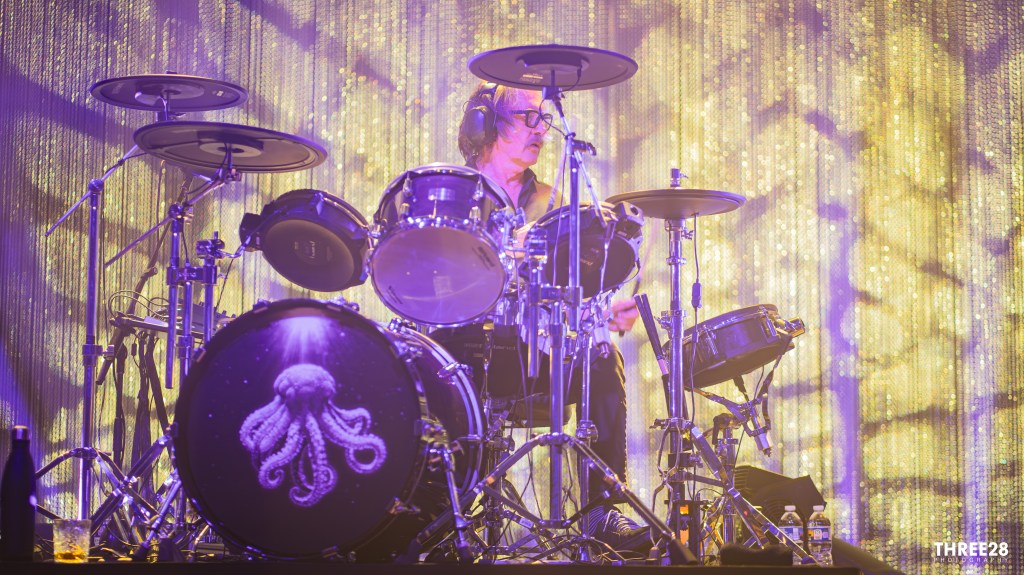
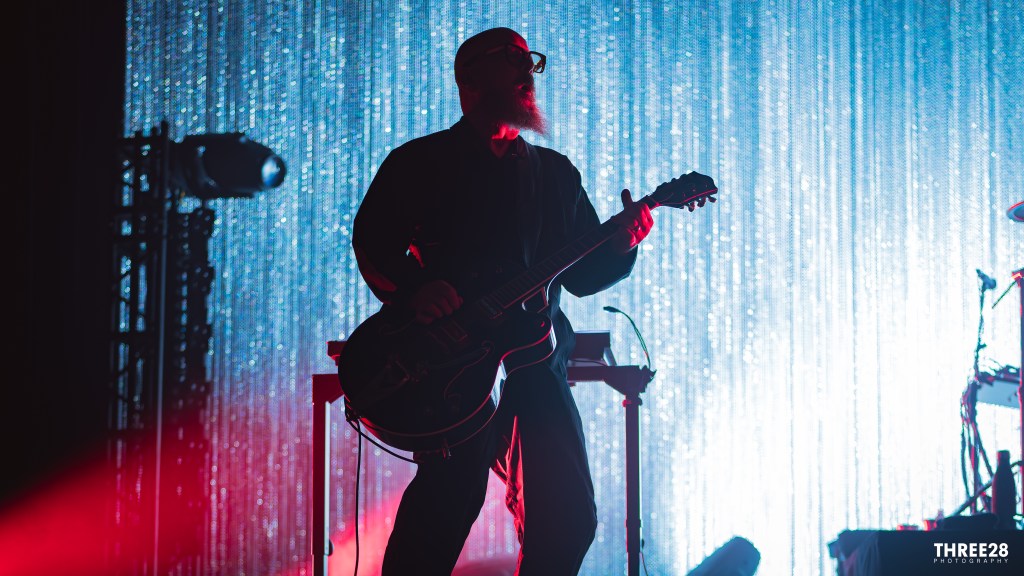
The tour, after all, supports Let All That We Imagine Be the Light (released May of 2025), their eighth studio album. The cover art’s strange marine imagery — jellyfish/octopus‐like forms with tentacles and luminescent shapes — made a subtle appearance on the drum kit tonight, adding to the aquatic, otherworldly vibe of some of the newer songs. The songs from the new album — “There’s No Future in Optimism,” “Chinese Fire Horse,” “Hold,” “The Day That I Met God” among them — were woven into the setlist not as novelties but as essential parts of the evening’s journey. They were given space, built up, allowed to breathe, then intensified. The sound design (synths, echoes) was clean, deep, sometimes ominous, and in those moments when Shirley’s voice soared over layers of electronics, it felt like the band was reaching for something transcendent.
Over approximately two hours (with a single encore), Garbage delivered over twenty tracks. The set was long but never bloated; pacing was excellent. They opened strong with newer material, balanced the middle with songs only diehards might anticipate (“Not My Idea,” “Parade”), and closed with heavy hitters. The crowd favorites — “I Think I’m Paranoid,” “Only Happy When It Rains” — got their moments under bright lights; energy was high. And the closer —“When I Grow Up” — left the venue buzzing, as though everyone present was both celebrating communal connection and simultaneously mourning that the band has declared this the last of their headlining tours. It felt like the right song to end on: defiant, exuberant, full of longing.
- Shirley Manson – The mercurial frontperson; her voice is timeless, capable of both husky rage and hushed confession. Her stagecraft (movement, presence) pierces through even when the light dims.
- Butch Vig – Not just a beating heart behind the drums, but a textural craftsman. His beats inform, his fills surprise; his experience as producer shows in the balance: drums aren’t just loud, they are meaningful.
- Duke Erikson and Steve Marker – The twin engines of melody, texture, and guitar tone. One might lean more aggressive, one more atmospheric in places; together they build the density and the ambiance.

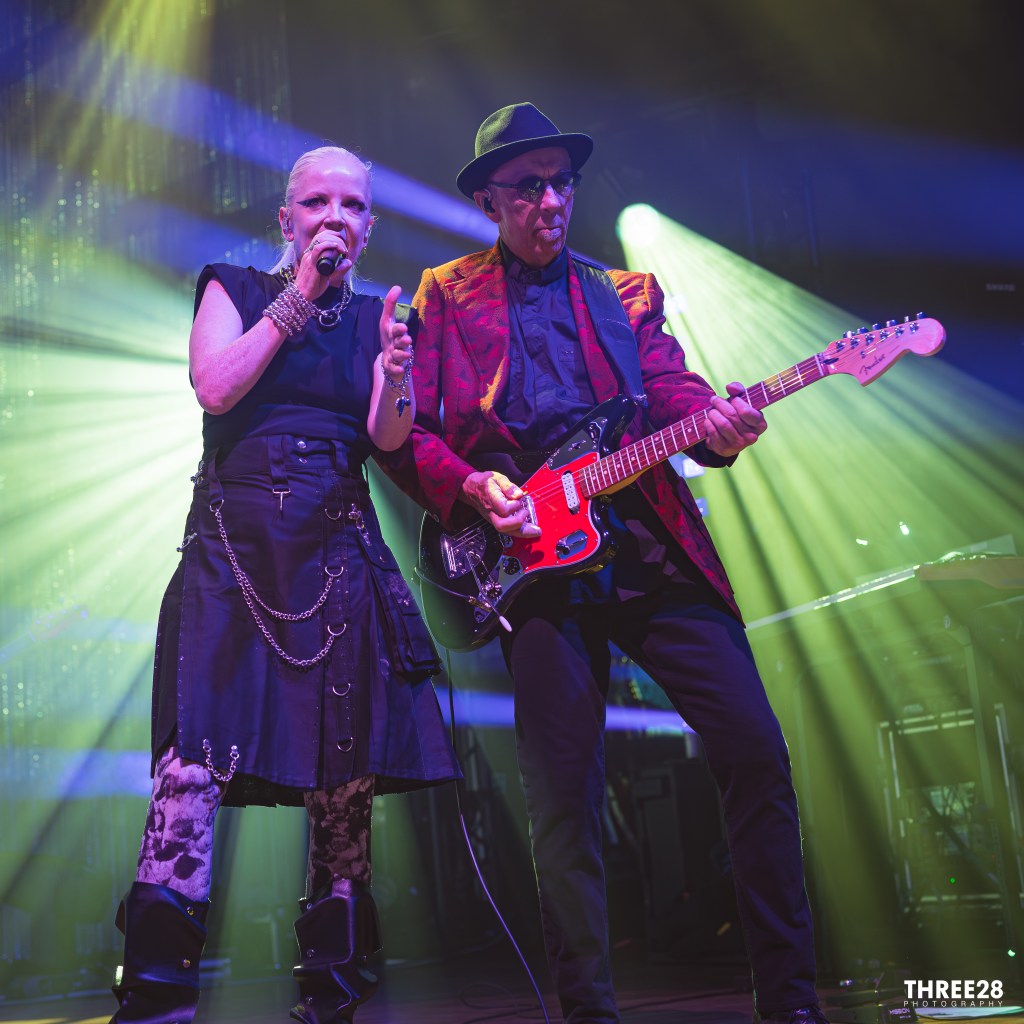

The Eastern — new, modern, capacious — handled the show beautifully. Lighting designers used hues of deep purples, electric blues, and occasional piercing white strobes to match emotional peaks. For the more electronic or introspective new tracks, softer washes of light, occasional backlight silhouettes complemented the thematic tone. When Garbage roared into a riff-heavy song, the lights snapped; beams cut across the room. Fog, sparing but effective. The audience responded: a few fists in the air, joined voices, arms around friends, phones up but also eyes closed. There was reverence and abandon.
Quarter‐set, Shirley Manson paused and addressed the crowd. She shared a heartfelt tribute to Brent Hinds, the late member of Mastodon and Atlanta native, who recently passed. She said he was an adventurous but gentle soul, someone who pushed boundaries yet stayed kind. The crowd paused, as though sharing in loss, then surged forward as the next song’s first chord struck.
Garbage at The Eastern delivered not a simple greatest‐hits show, but a richly textured, emotionally charged testament to their artistry. The evening illuminated what has always set them apart: the ability to merge melody with menace, electronics with rawness, spectacle with sincerity. If this is indeed their last major headlining tour in the U.S., then they are leaving with dignity, creativity, fire —and leaving behind not just memories, but inspiration. When the lights finally went up and the crowd spilled out, many were still humming, still shocked, still grateful.
 LoudSound Magazine
Leave a comment