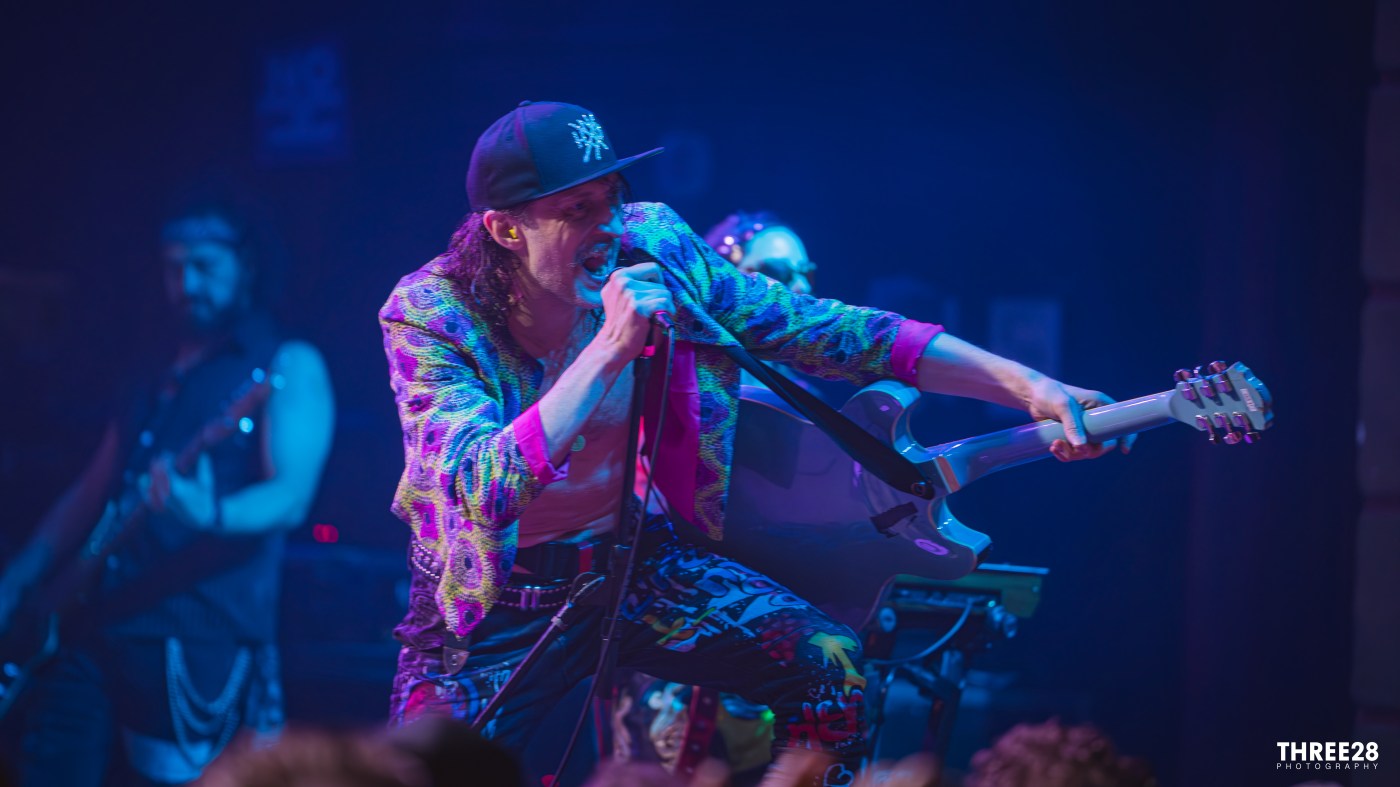
The evening at the Buckhead Theatre felt less like a concert and more like a cultural detonation — one that began the moment Gogol Bordello took the stage for their “We Mean It, Man! Tour.” The venue, already known for its intimate yet vibrant atmosphere, was transformed into a pulsating organism, packed wall-to-wall with a crowd that seemed not merely present, but fully invested. Bodies pressed together in anticipation, the air thick with expectation, sweat, and the promise of chaos. By the time the first chords rang out, the audience had ceased to be a collection of individuals and had instead become a unified, kinetic force — one that the band would command, provoke, and ultimately celebrate.
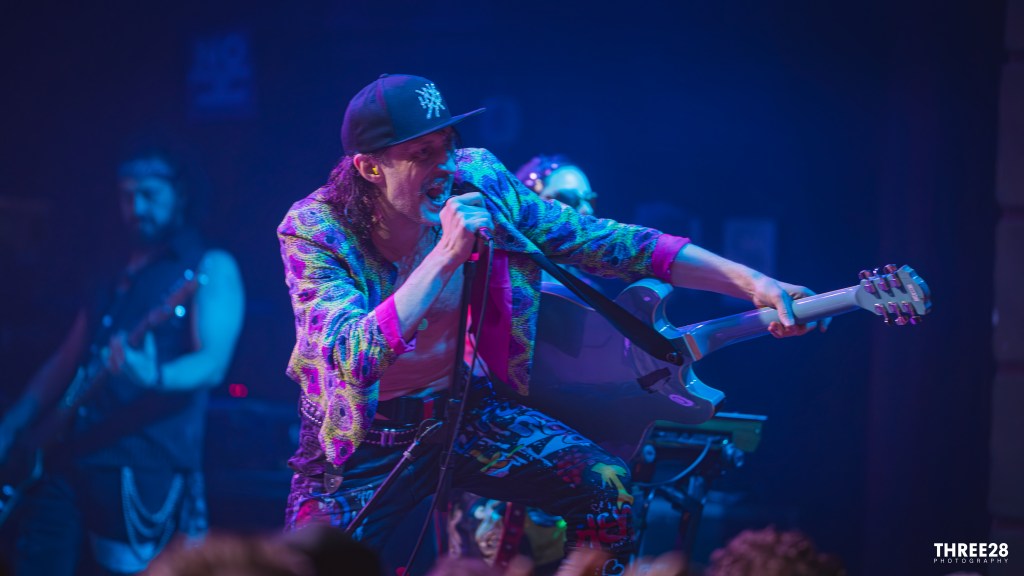
To understand the magnitude of a Gogol Bordello performance is to understand the band’s origins. Founded by Eugene Hütz, a Ukrainian-born immigrant whose life has been shaped by displacement and resilience, the group emerged as a defiant fusion of punk ethos and Eastern European musical traditions. Their self-coined “Gypsy Punk” identity is not merely aesthetic — it is ideological. Drawing from Roma, Slavic, and global diasporic influences, the band champions borderless expression, cultural hybridity, and the dignity of marginalized communities. Over the years, they have aligned themselves with humanitarian causes, including immigrant rights and support for Ukraine, embedding activism within their artistry. This ideological backbone was palpable throughout the night, giving the performance a sense of urgency that transcended entertainment.
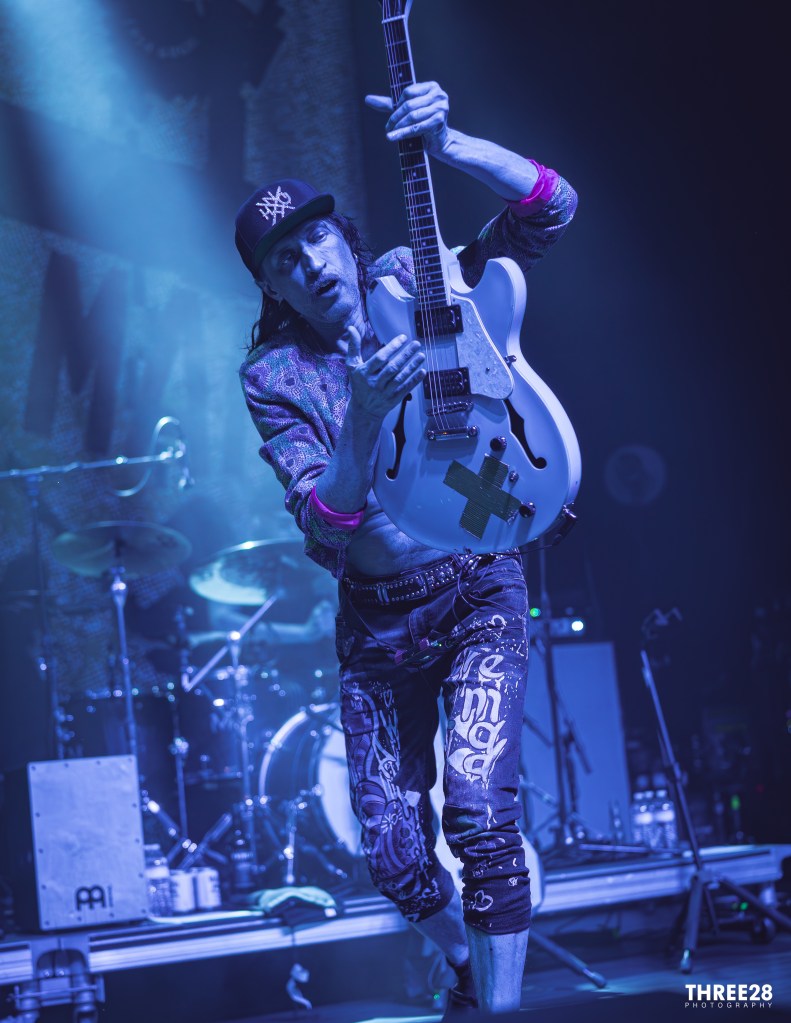
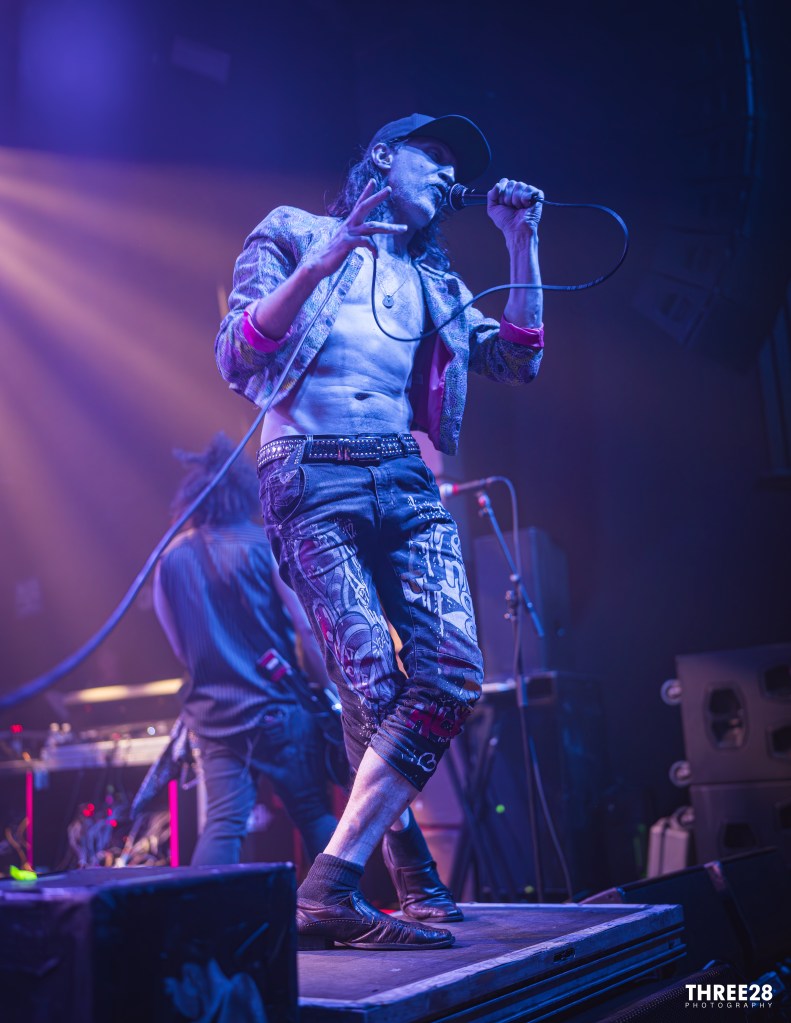
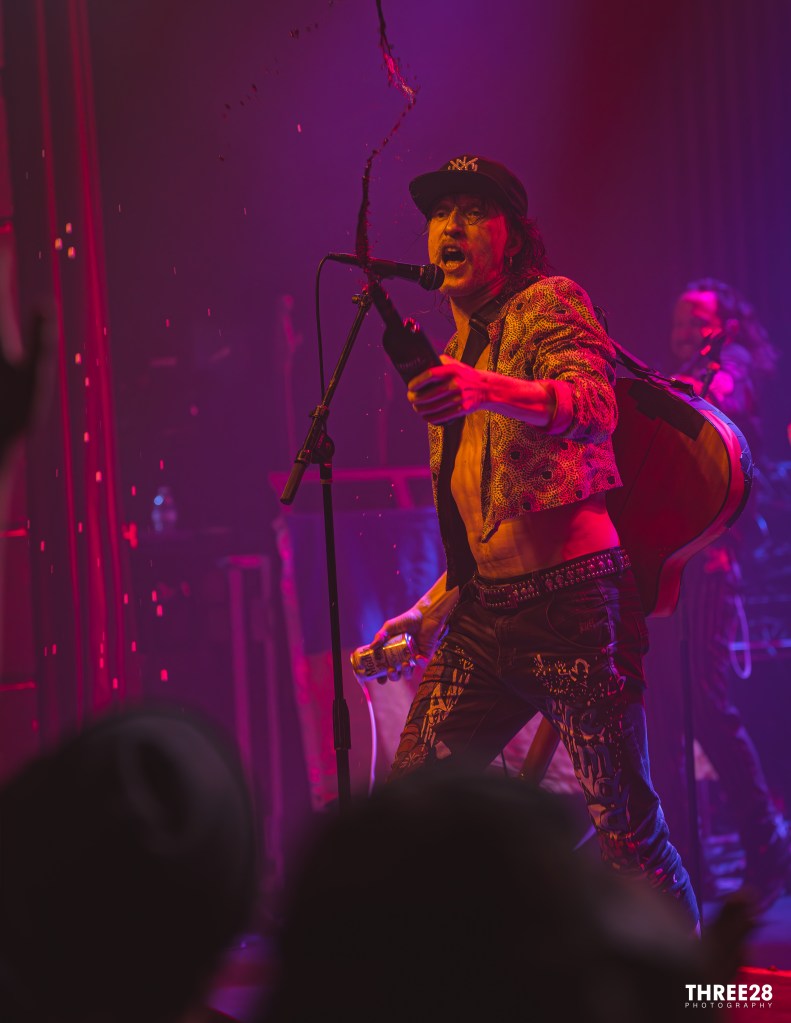
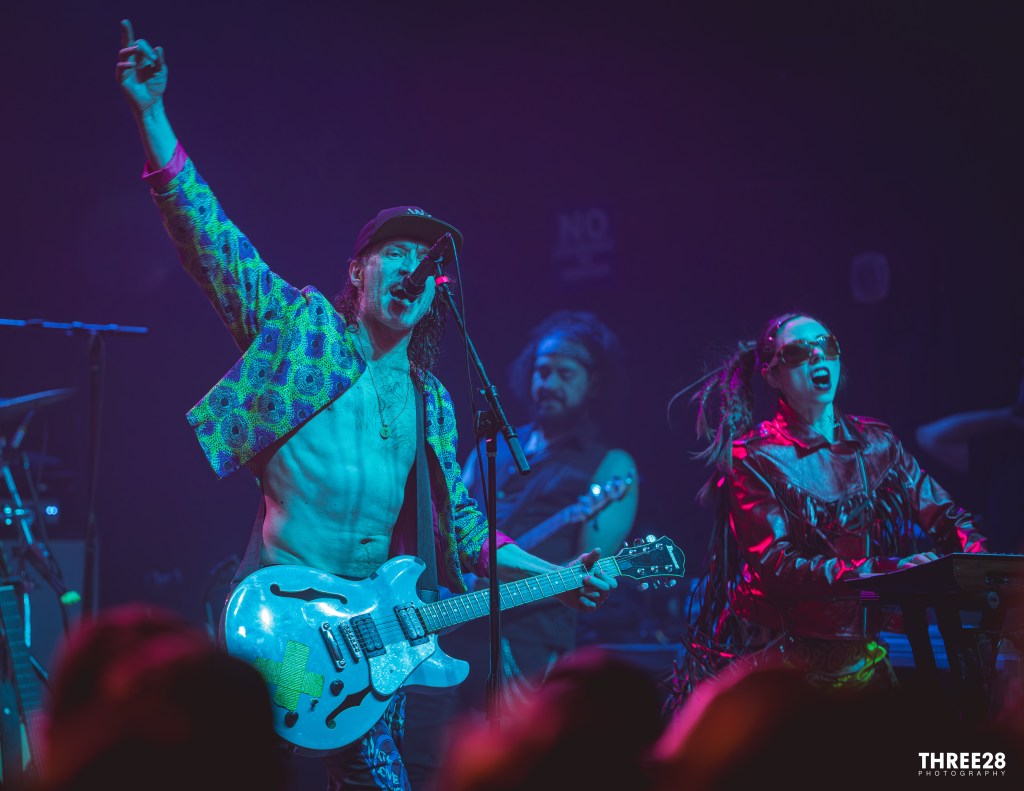
At the center of it all stood Hütz, a frontman whose presence defies conventional categorization. Equal parts shaman, poet, and provocateur, he commanded the stage with an authority that felt both chaotic and deliberate. His voice — gravelly, impassioned, and occasionally unhinged — cut through the instrumentation like a rallying cry. Yet it was not merely his vocal delivery that captivated; it was his ability to transform performance into ritual. Whether he was pacing the stage with manic intensity or locking eyes with individual audience members, Hütz projected a sense of communion. At one point, after launching into “Alcohol,” he paused to address a persistent fan in the crowd, asking with mischievous satisfaction whether he had “finally got his fix?” The moment encapsulated Hütz’s brilliance: irreverent, interactive, and deeply attuned to the collective psyche of the room.
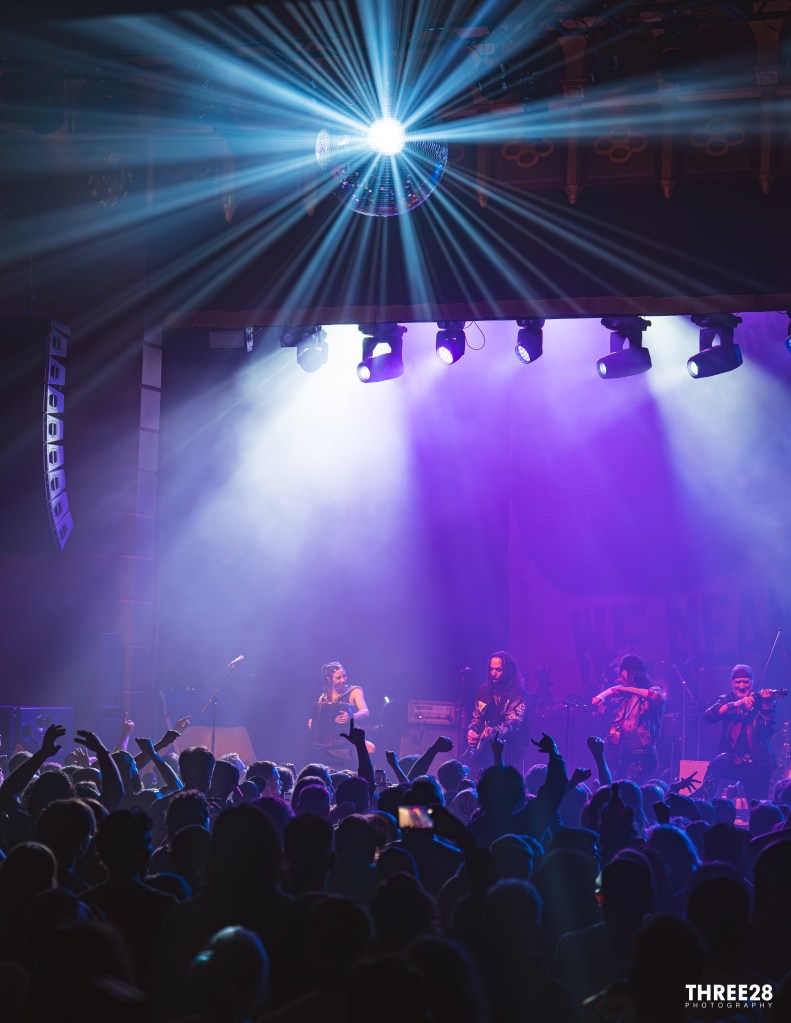
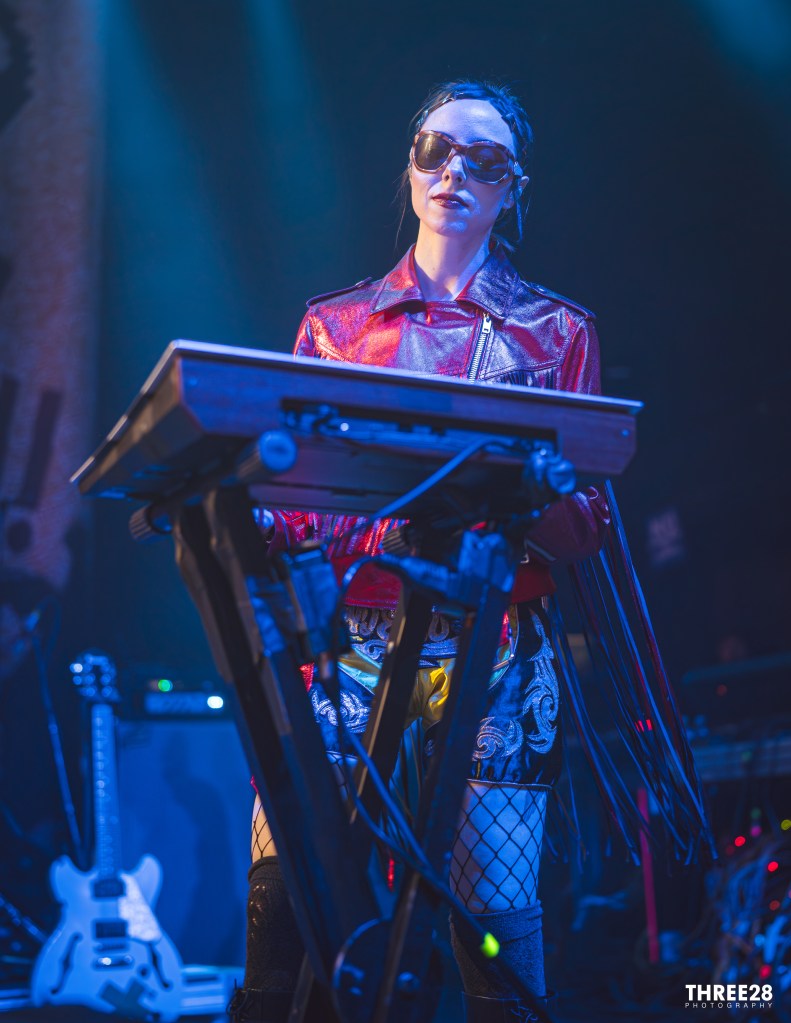
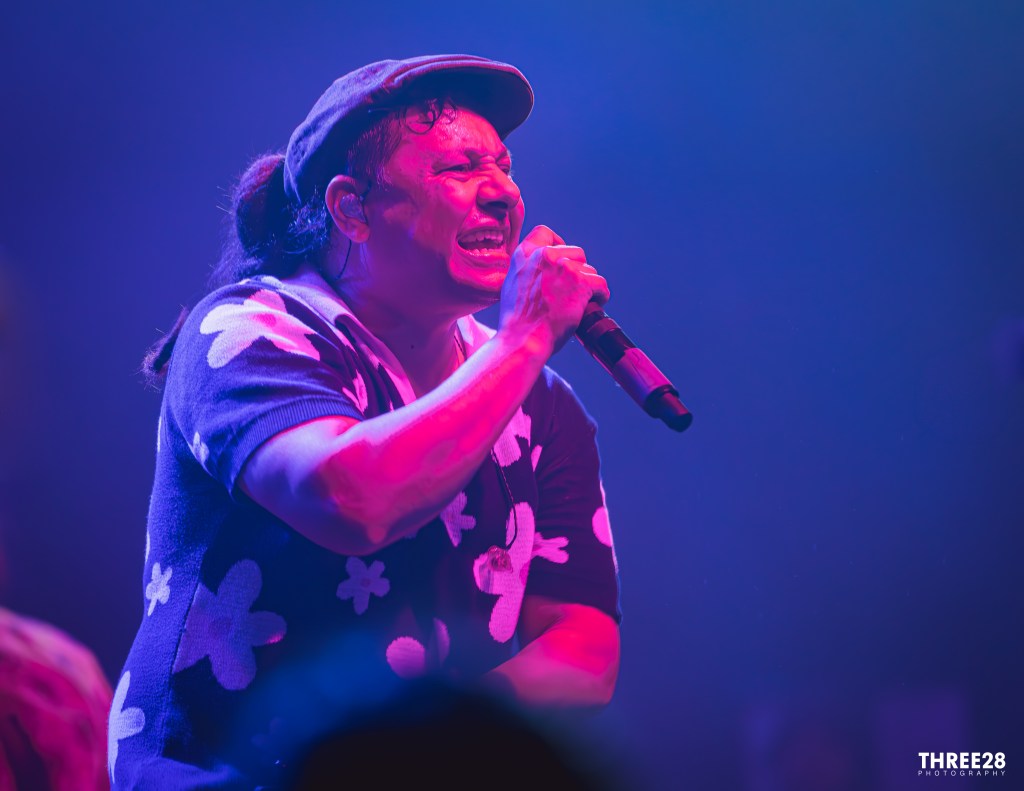
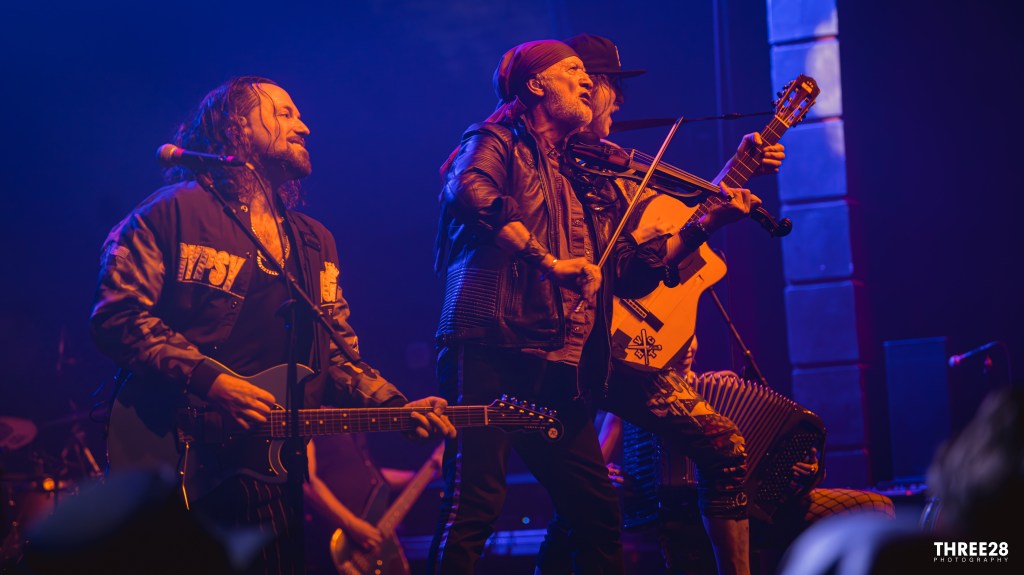
Surrounding Hütz was a band whose members each contributed distinct textures to the sonic and visual tapestry. Pedro Erazo embodied the role of a hype man with electrifying fervor, evoking comparisons to Flavor Flav in his ability to amplify the crowd’s energy. His movements were exaggerated, his gestures theatrical, and his interjections both humorous and incendiary. At one particularly charged moment, Erazo punctuated the set with a blunt political declaration — “Fuck Trump” — eliciting a roar of approval that underscored the band’s unfiltered ethos. Meanwhile, Erica Mancini infused the performance with melodic exuberance through her accordion work, her playing both technically impressive and emotionally resonant. She moved with a buoyancy that mirrored the instrument’s lively timbre, her presence a reminder of the band’s folk roots.
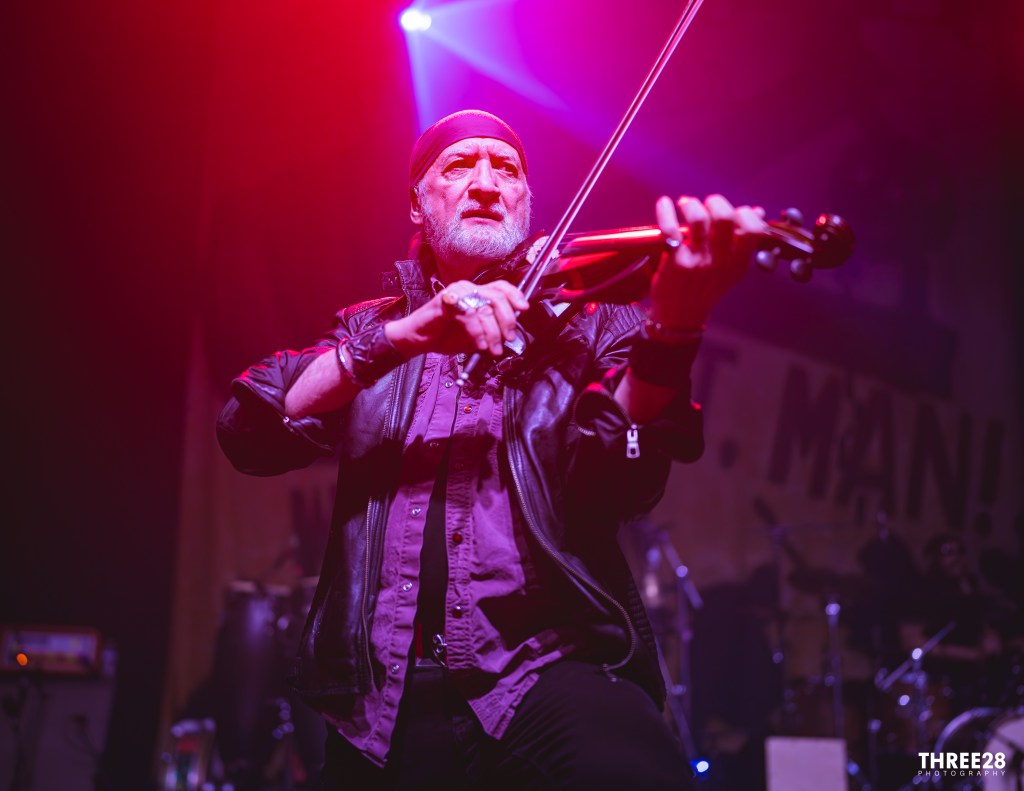
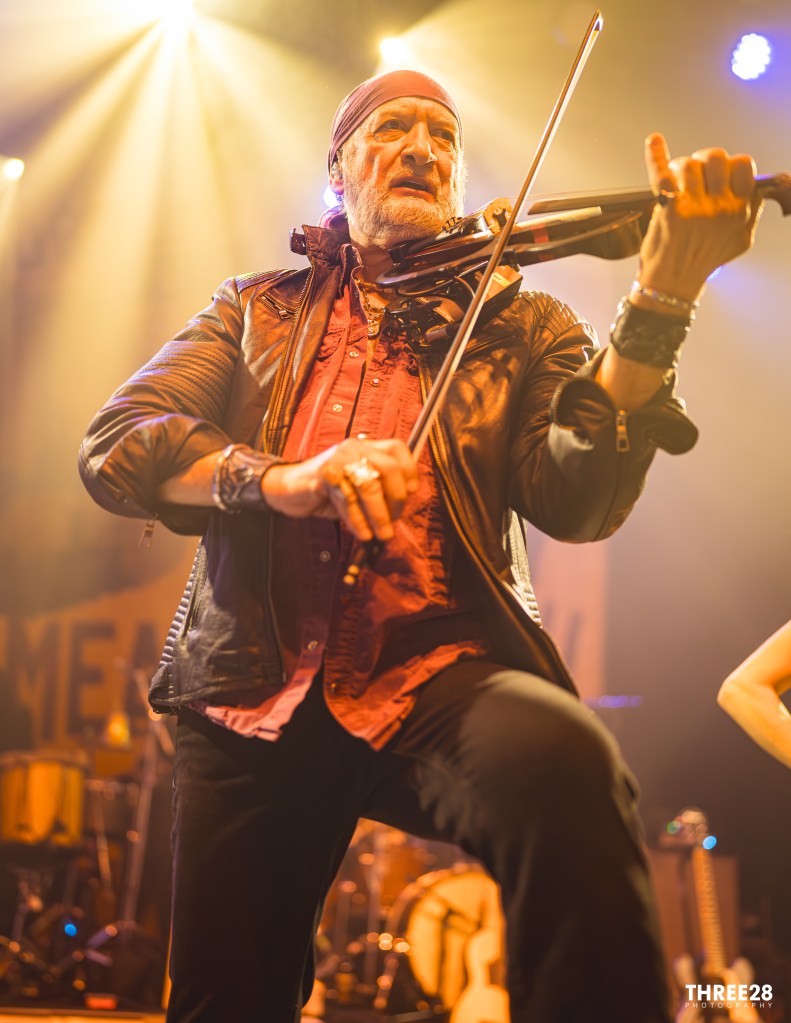
Equally vital was Sergey Ryabtsev, whose violin playing added a layer of urgency and poignancy to the proceedings. His backing vocals reached a peak during the iconic refrain of “Start Wearing Purple,” where his delivery of — “Start wearing purple for me now!!” — became a communal chant. The audience responded instinctively, singing along with a fervor that blurred the line between performer and spectator. The interplay between Ryabtsev’s violin and the rest of the band created moments of near-transcendence, as if the music itself were a conduit for something larger than the sum of its parts.
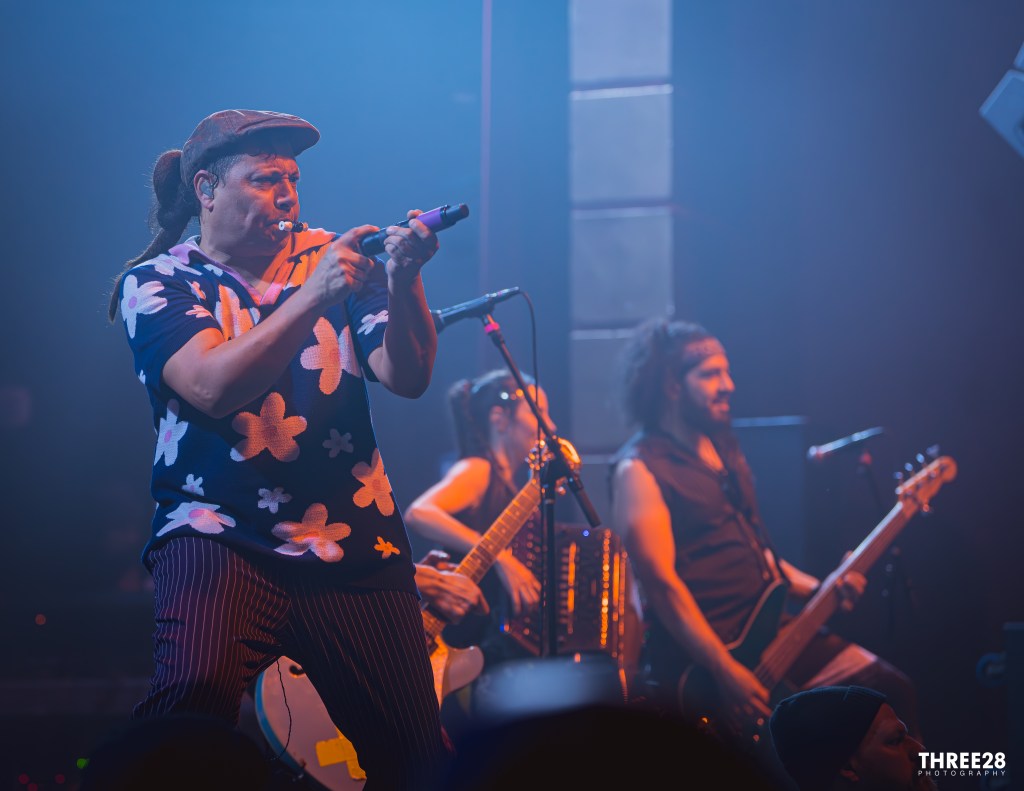
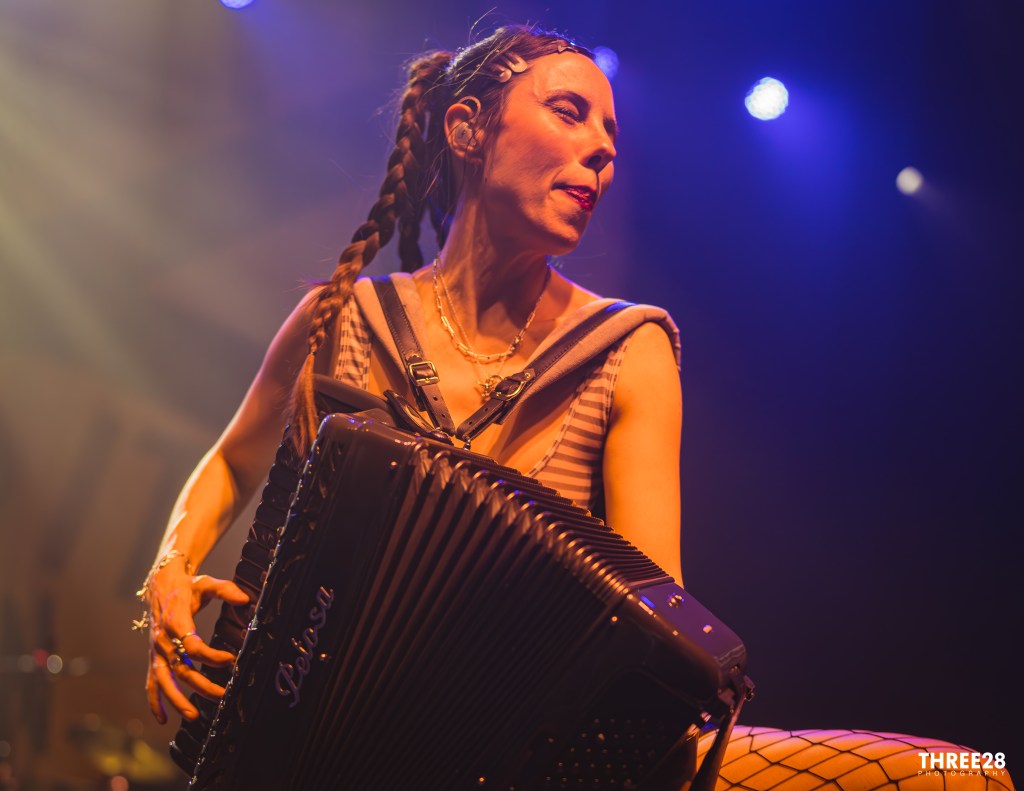
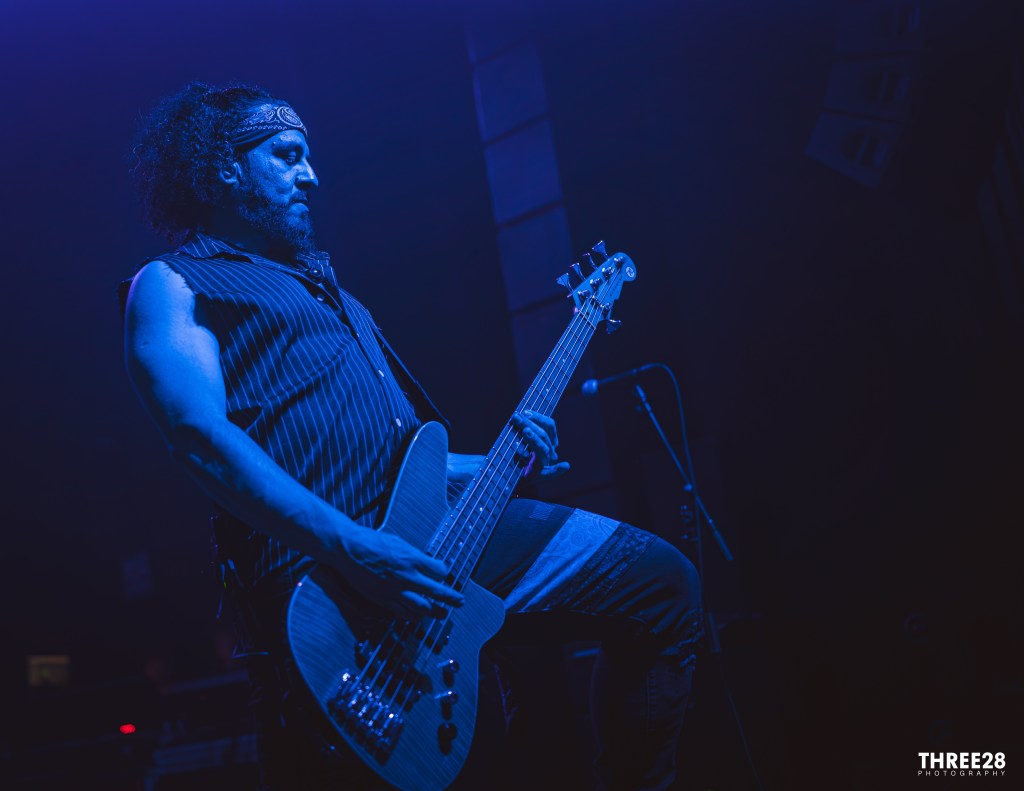
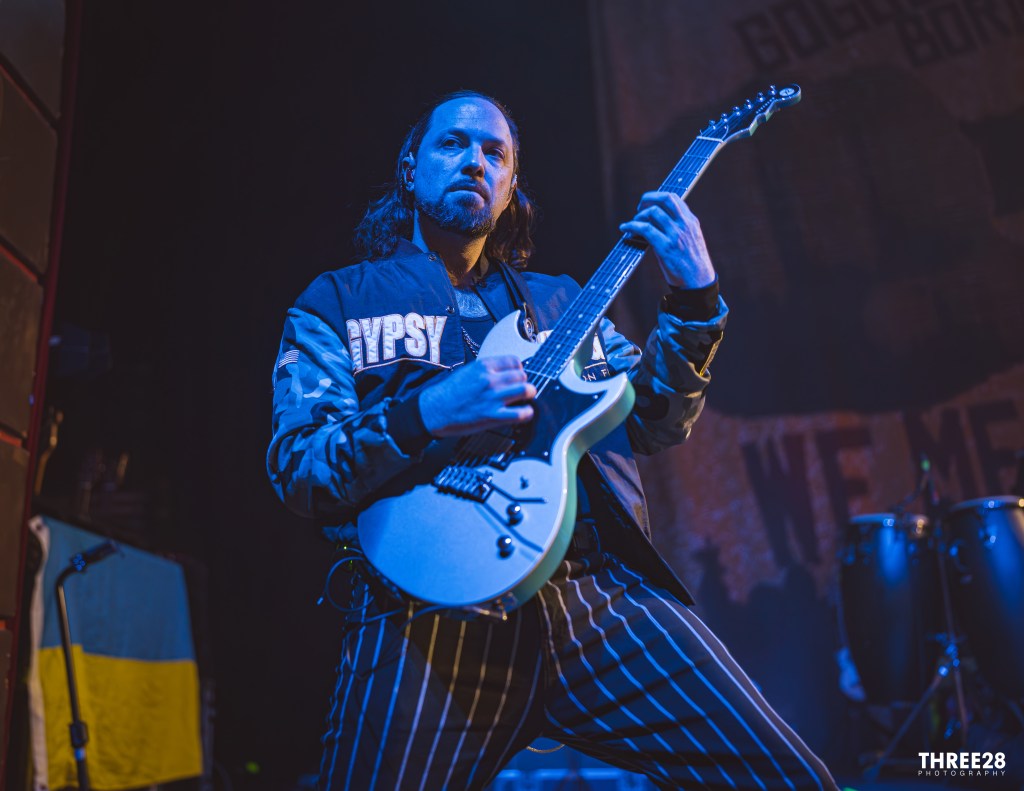
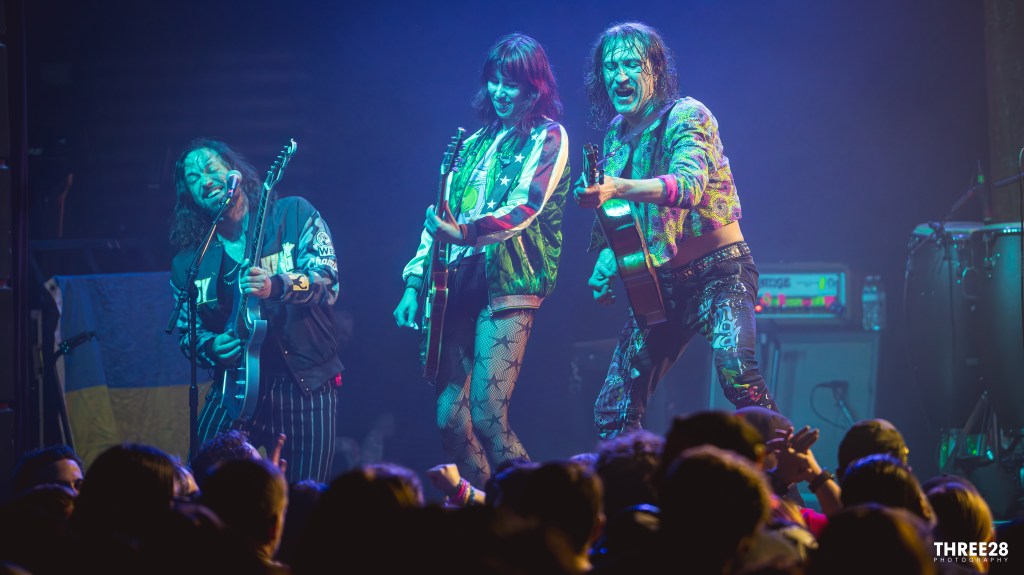
The ensemble was further rounded out by Leo Mintek, Gill Alexandre, and Korey Kingston, each contributing to the layered complexity of the performance. Their roles, though less individually spotlighted, were no less essential. Together, they formed a cohesive unit that thrived on interplay and spontaneity. At various points, the string players engaged in a whimsical “ring around the rosie” formation, circling one another while maintaining their musical precision. It was a moment that encapsulated the band’s ethos: playful yet disciplined, chaotic yet intentional.
Visually, the concert was a spectacle unto itself. The band’s attire was as dynamic as their sound — an eclectic mix of punk grit, Eastern European flair, and theatrical embellishment. Hütz, in particular, seemed to embody a character as much as a musician, his outfit an extension of his larger-than-life persona. The stage lighting oscillated between stark intensity and dreamlike ambiance, with a disco ball casting fractured reflections across the crowd. These visual elements did not merely accompany the music; they enhanced it, creating an immersive environment that engaged the senses on multiple levels.
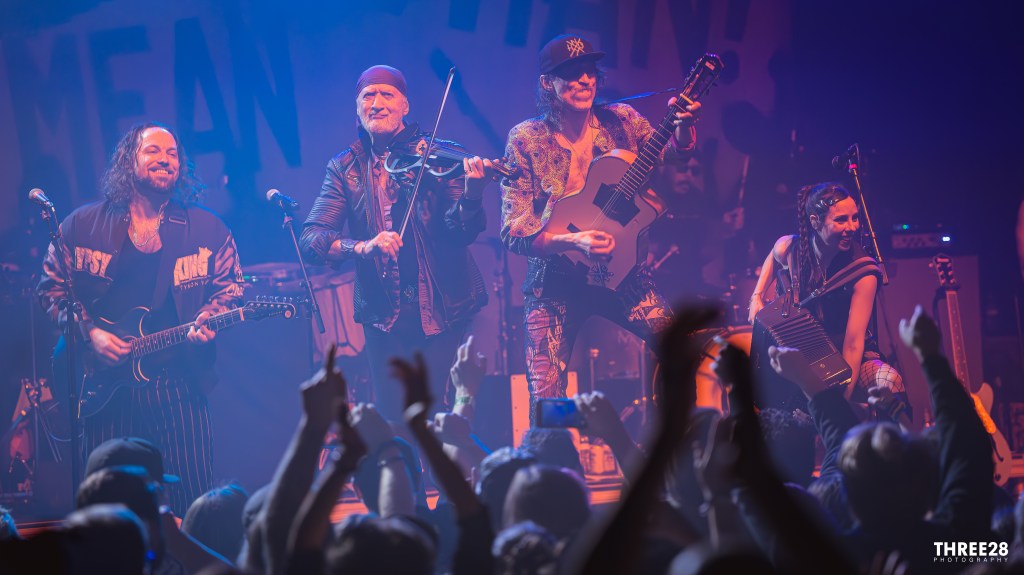
The band’s antics further elevated the experience into something bordering on the surreal. Hütz splashed wine and beer into the crowd, a gesture that felt less like indulgence and more like a ritualistic offering. He encouraged circle moshing, orchestrating the crowd’s movements with the precision of a conductor. At one point, the center venue seemed to swirl in unison, a vortex of bodies and sound that defied conventional notions of order. Yet despite the apparent chaos, there was an underlying sense of cohesion — a shared understanding that everyone present was part of something singular and fleeting.
Perhaps the most striking aspect of the performance was the palpable sense of joy emanating from the band. They played with the unrestrained enthusiasm of children opening gifts on Christmas morning, their expressions a mixture of wonder and exhilaration. This was not a band going through the motions; it was a collective reveling in the act of creation. Their love for their craft was evident in every note, every gesture, every interaction. It was as though they believed — truly believed — in the transformative power of music and, by extension, in humanity itself.
By the time the final notes faded and the crowd began to disperse, the Buckhead Theatre felt irrevocably altered. What had transpired was not merely a concert, but a celebration of cultural fusion, artistic defiance, and communal spirit. Gogol Bordello had once again proven that their “Gypsy Punk” identity is not a gimmick, but a lived philosophy — one that embraces diversity, challenges boundaries, and invites everyone to partake in the chaos. In an era often defined by division, their performance stood as a testament to the unifying power of music, leaving those in attendance not just entertained, but moved.
 LoudSound Magazine
Leave a comment