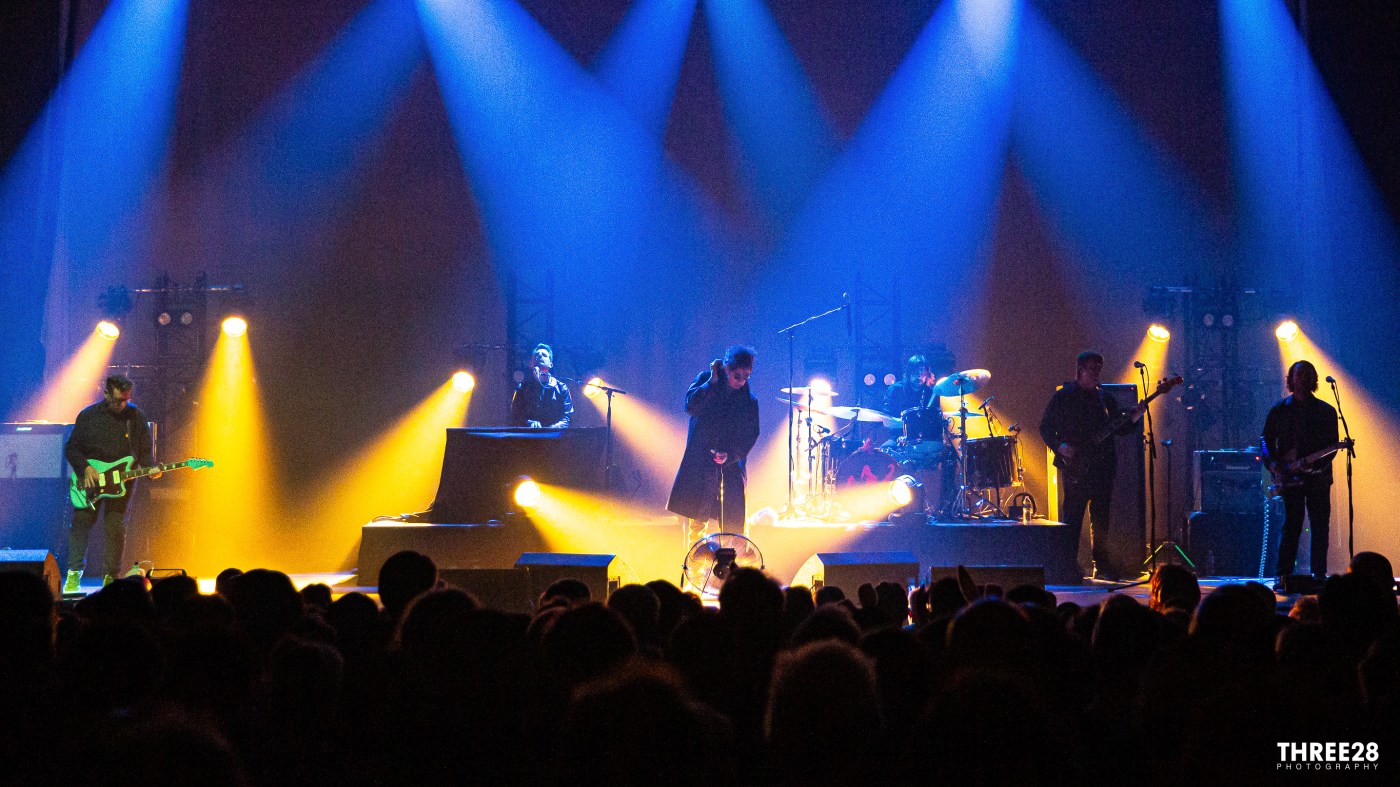
For more than four decades, Echo & the Bunnymen have occupied a singular alcove within British alternative music, cultivating a catalogue steeped in introspection, spectral romanticism, and austere grandeur. Their performance at The Tabernacle unfolded less like a conventional rock engagement and more like an elaborate séance, one in which memory, atmosphere, and sonic architecture converged beneath the venue’s dim rafters. Long before contemporary indie ensembles adopted melancholy as aesthetic currency, the Liverpool collective had already constructed the blueprint during the late seventies and early eighties, fusing post-punk angularity with orchestral emotionalism. That influence lingered palpably throughout the evening as generations of attendees filled the historic sanctuary, many clearly aware they were witnessing architects whose fingerprints remain embedded across modern gothic, dream-pop, and neo-psychedelic recordings.
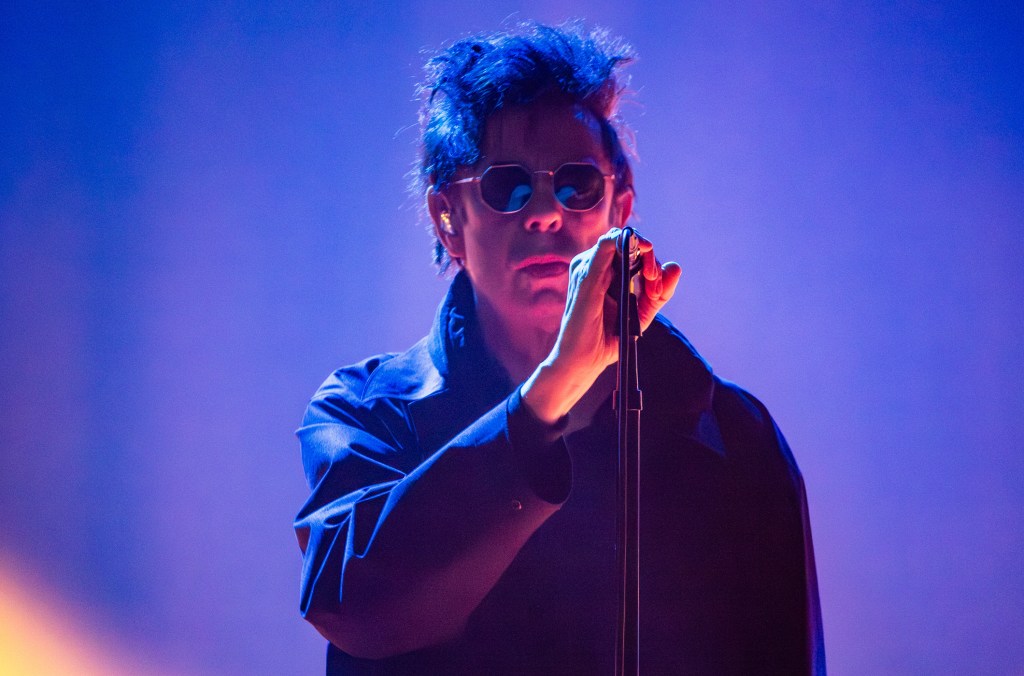
The evening’s cadence progressed deliberately, almost ceremonially. Rather than detonating immediately into climactic intensity, the ensemble favored gradual escalation, allowing compositions to simmer before cresting into dramatic release. Shadows drenched the stage while muted amber illumination flickered against stained woodwork, amplifying the sense of noir theatricality that has always accompanied the group’s mythology. Frontman Ian McCulloch remained the focal point throughout, delivering vocals with weathered authority and dry wit between selections. Age has inevitably roughened portions of his upper register, yet that abrasion ultimately deepened the material’s poignancy, lending songs concerning longing, isolation, and transcendence an even heavier emotional residue. McCulloch did not rely upon exaggerated movement or performative gimmickry; instead, he commanded attention through presence alone, stalking the stage with understated confidence while occasionally extending elongated phrases into cavernous resonance.
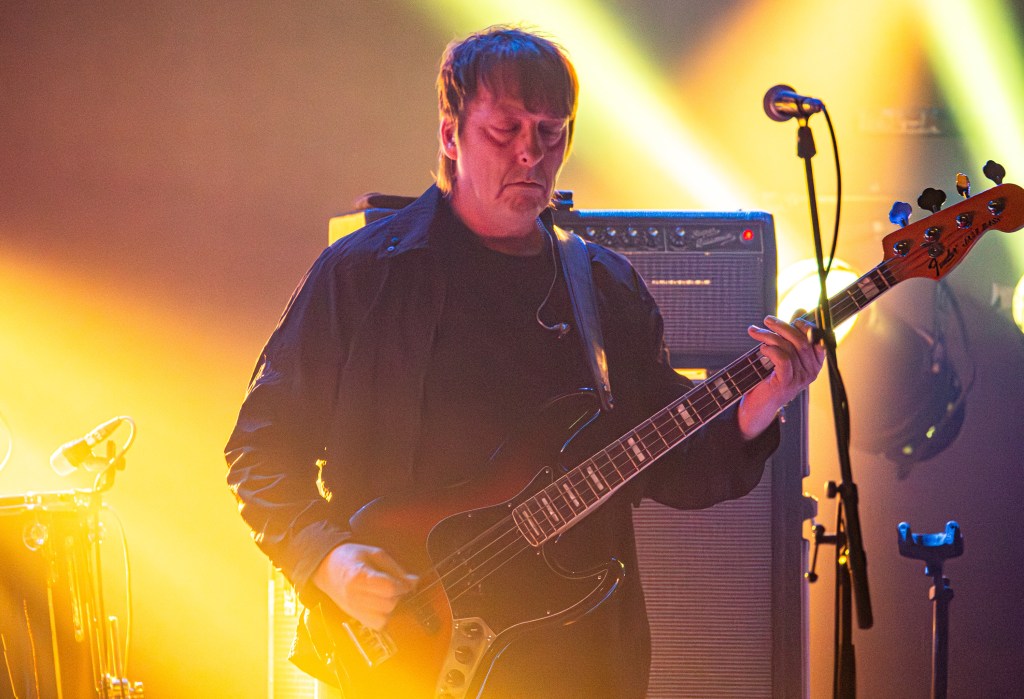
Alongside him stood guitarist Will Sergeant, unquestionably one of the most underappreciated sonic sculptors to emerge from Britain’s post-punk explosion. Sergeant’s playing remains the nucleus around which the ensemble revolves. His chiming textures, swirling delays, and serpentine melodic constructions transformed the Tabernacle into a cathedral of reverb. Unlike many guitarists associated with the period, Sergeant never depended upon brute-force riffing; instead, he specialized in hypnotic layering, producing vast emotional landscapes through subtle modulation and phrasing. During extended instrumental passages, his performance bordered upon cinematic, with shimmering tones drifting across the auditorium like fog rolling through midnight alleyways. Touring musicians surrounding the longtime core members contributed admirably as well, particularly the rhythm section, whose restrained precision prevented the arrangements from collapsing beneath their own emotional density. Keyboard accompaniment added an additional degree of grandeur, supplying ghostly undercurrents that elevated familiar pieces into near-liturgical experiences.
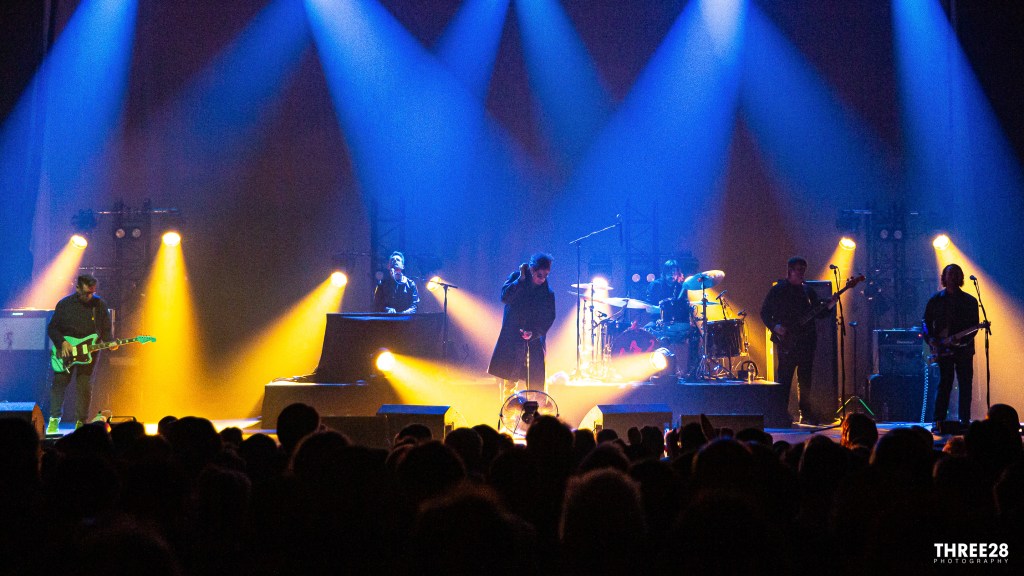
What continues to distinguish Echo & the Bunnymen from many contemporaries is their refusal to reduce melancholy into caricature. Their concerts unfold through tension and patience rather than relentless bombardment. Numbers arrived in waves, alternating between brooding meditations and soaring crescendos, creating an ebb-and-flow dynamic that rewarded attentiveness. The audience responded accordingly, often remaining motionless during quieter interludes before erupting into euphoric singalongs once recognizable refrains emerged. That measured pacing also reflected the ensemble’s historical evolution. During their ascent in the early eighties, the band separated themselves from peers through intellectual ambition and emotional sophistication, crafting recordings that possessed literary gravitas without sacrificing immediacy. At the Tabernacle, those characteristics remained intact. Even decades removed from their commercial zenith, the material retained startling vitality, proving why countless subsequent artists continue drawing inspiration from their balance of darkness and accessibility.
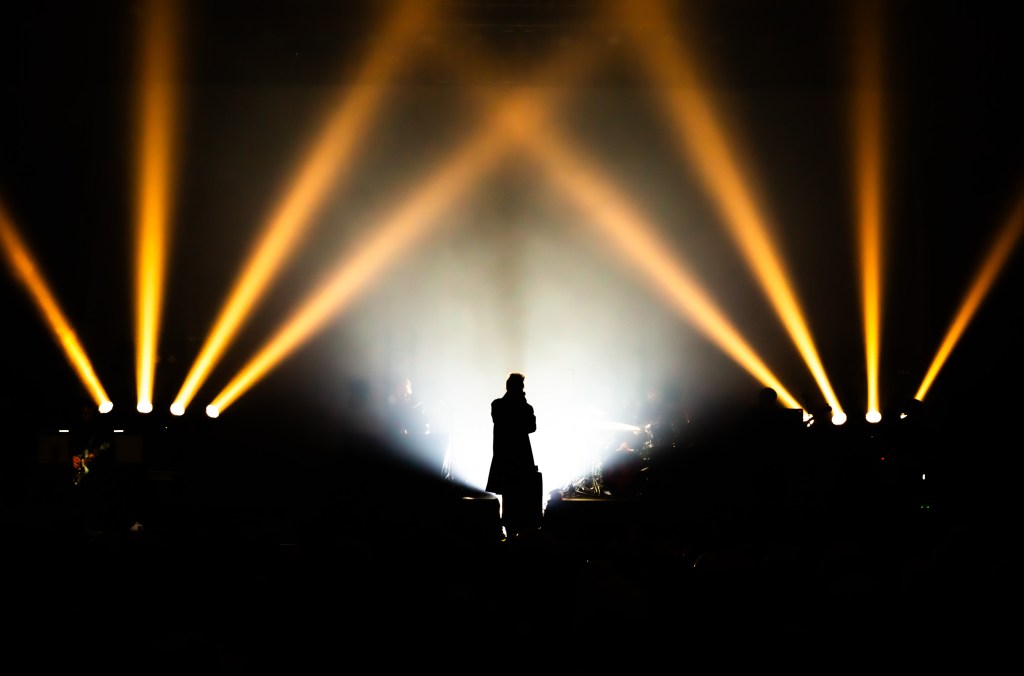
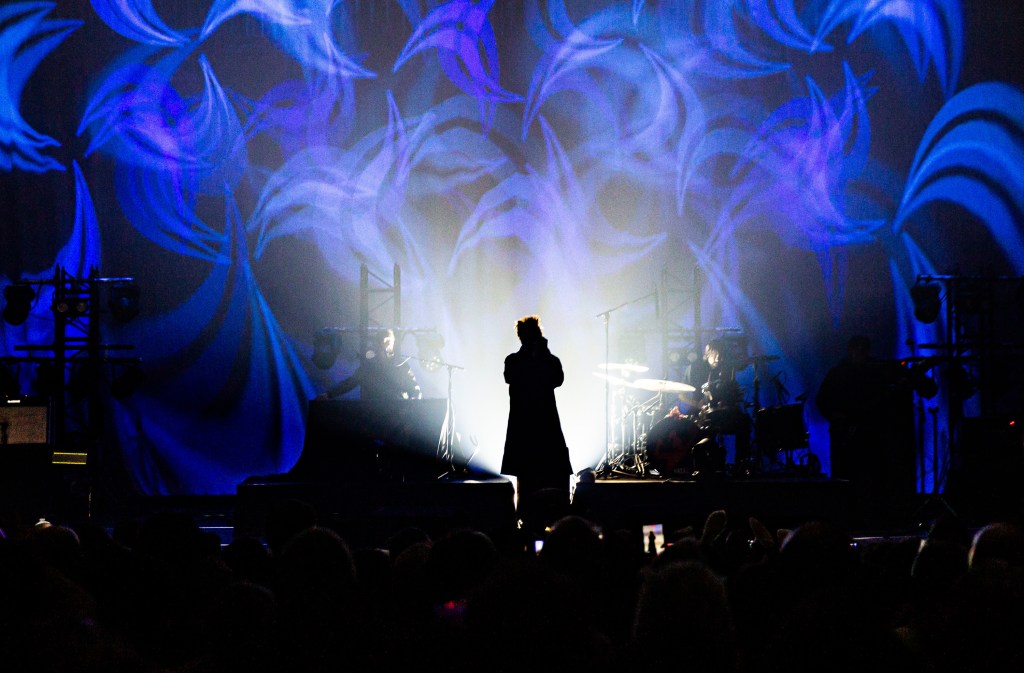
By the conclusion of the performance, the atmosphere inside the venue felt almost dreamlike, as though attendees had collectively wandered through some rain-soaked corridor suspended outside ordinary chronology. Echo & the Bunnymen are no longer youthful provocateurs attempting to conquer underground culture; they now function as elder statesmen preserving a particular emotional vocabulary largely absent from contemporary mainstream rock. Nevertheless, their significance extends far beyond nostalgia. The concert demonstrated how profoundly their aesthetic still resonates when executed with conviction, nuance, and sincerity. In an era dominated by immediacy and overstimulation, the group’s commitment to gradual immersion, tonal sophistication, and emotional ambiguity felt refreshingly defiant. Their appearance at the Tabernacle ultimately served not merely as entertainment, but as affirmation that certain artistic voices never truly fade; they simply acquire deeper shadows with time.


Leave a Reply