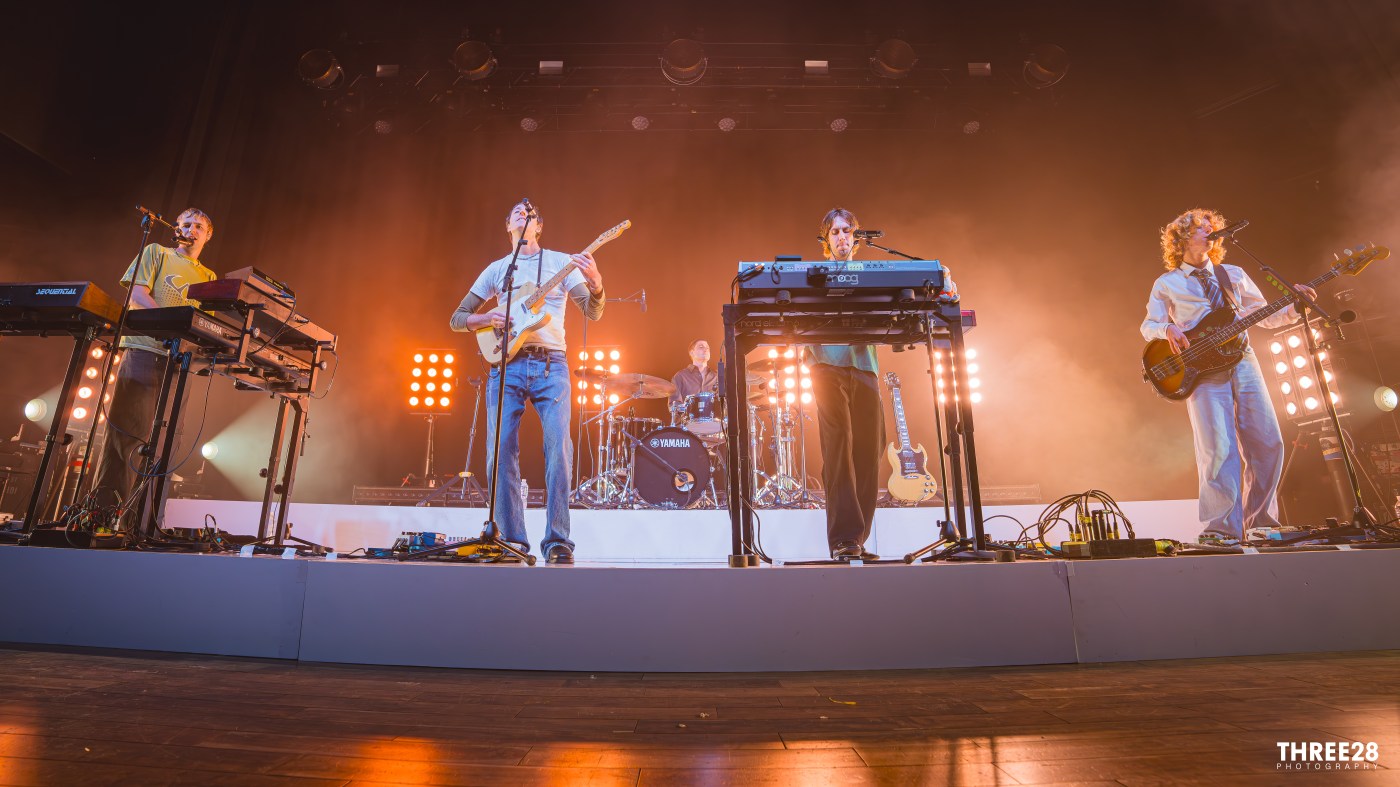
Somewhere between the glittering nostalgia of seventies disco, the meticulous sophistication of French electronica, and the irresistible buoyancy of contemporary indie pop exists a musical sweet spot that Parcels have practically claimed as their personal property. On Wednesday evening, the Australian quintet transformed Atlanta’s The Eastern into a pulsating celebration of musicianship, camaraderie, and collective euphoria during their sold-out stop of their LOVED Tour. There was something wonderfully anachronistic about the occasion: five musicians, an arsenal of instruments, and an audience prepared to surrender its inhibitions without the assistance of elaborate theatrical gimmickry. Instead, Parcels delivered an exhibition of instrumental dexterity and infectious charisma, proving that sometimes the most revolutionary thing a band can do is simply play extraordinarily well together. From the opening notes to the final communal bow, the evening felt less like a conventional concert and more like an invitation into an exceptionally fashionable musical family reunion.
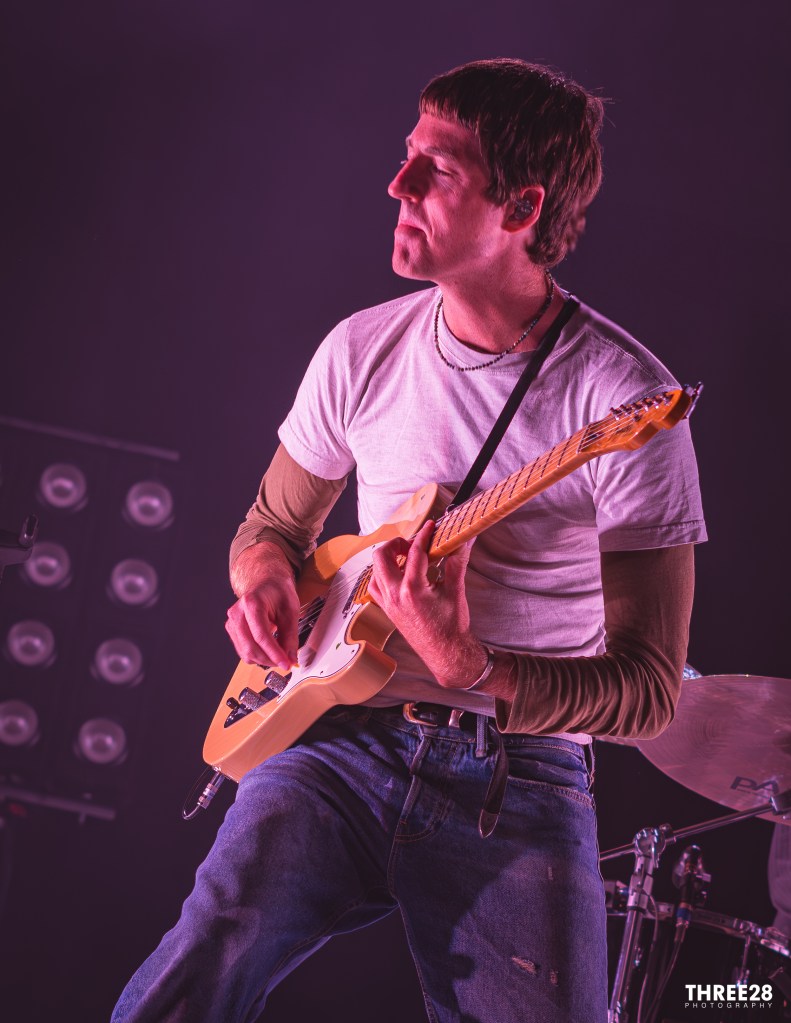
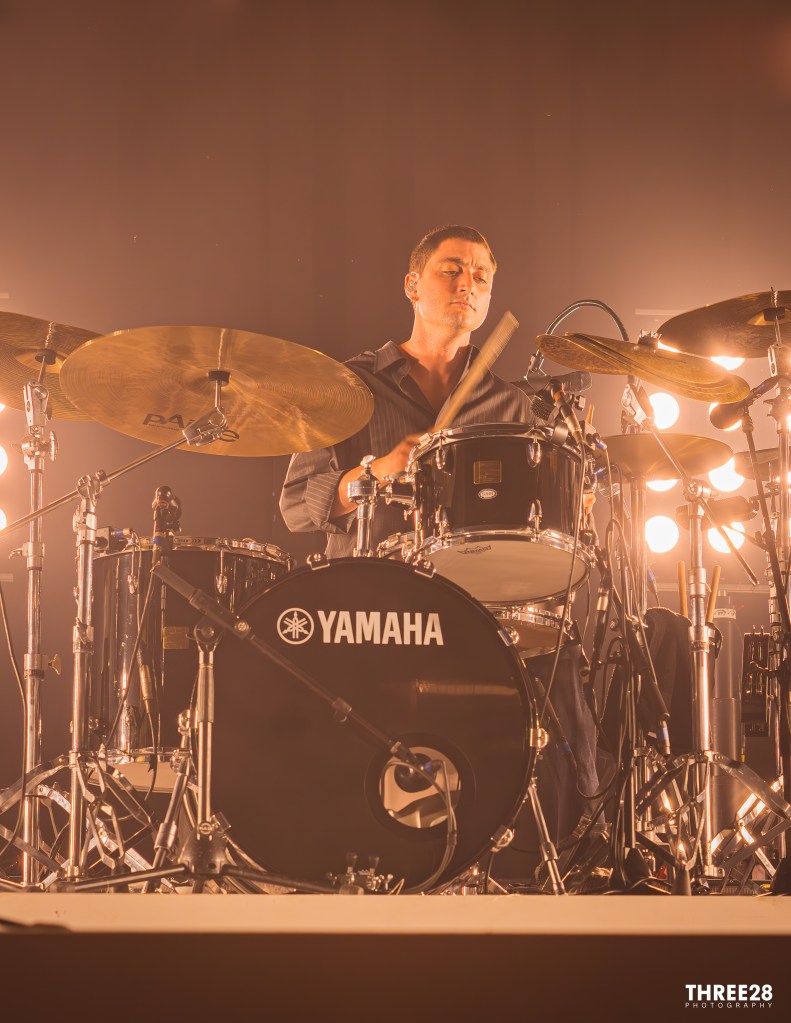
The journey from the sun-drenched shores of Byron Bay, Australia, to international recognition has been anything but an overnight delivery for Parcels, although a certain electronic duo helped expedite the shipment. Formed in 2014, the group relocated to Berlin while barely out of adolescence, immersing themselves in a cultural landscape where experimentation was practically a municipal obligation. Their eventual collaboration with Daft Punk on the 2017 single “Overnight” introduced their polished sensibilities to a considerably broader audience, while their self-titled 2018 debut and ambitious 2021 double album Day/Night established an identity that transcended fashionable revivalism. Now operating between Australia and Germany, Jules Crommelin, Louie Swain, Patrick Hetherington, Noah Hill, and Anatole Serret function as an unusually democratic musical organism. Their arrangements depend upon mutual attentiveness rather than individual exhibitionism, with interlocking rhythms, intricate harmonies, and effortless exchanges of instrumental responsibility. Their 2025 release LOVED further explores the contradictions between emotional vulnerability and rhythmic exhilaration, demonstrating that dancing through heartbreak remains an entirely respectable form of therapy.
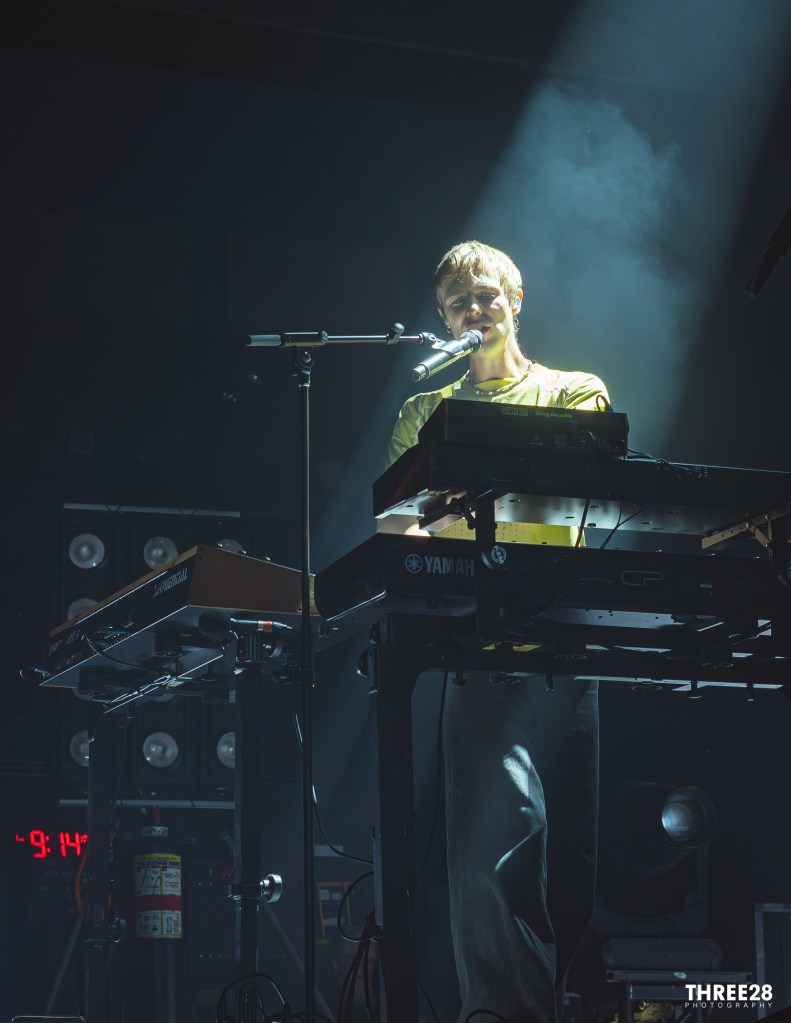
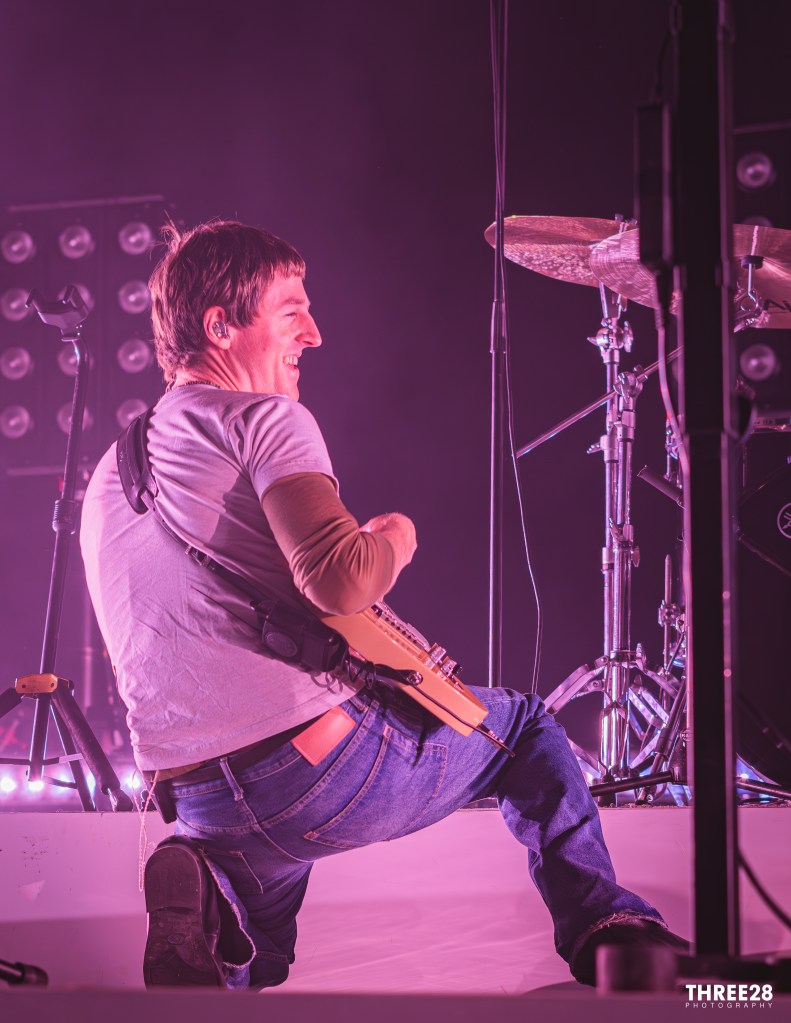
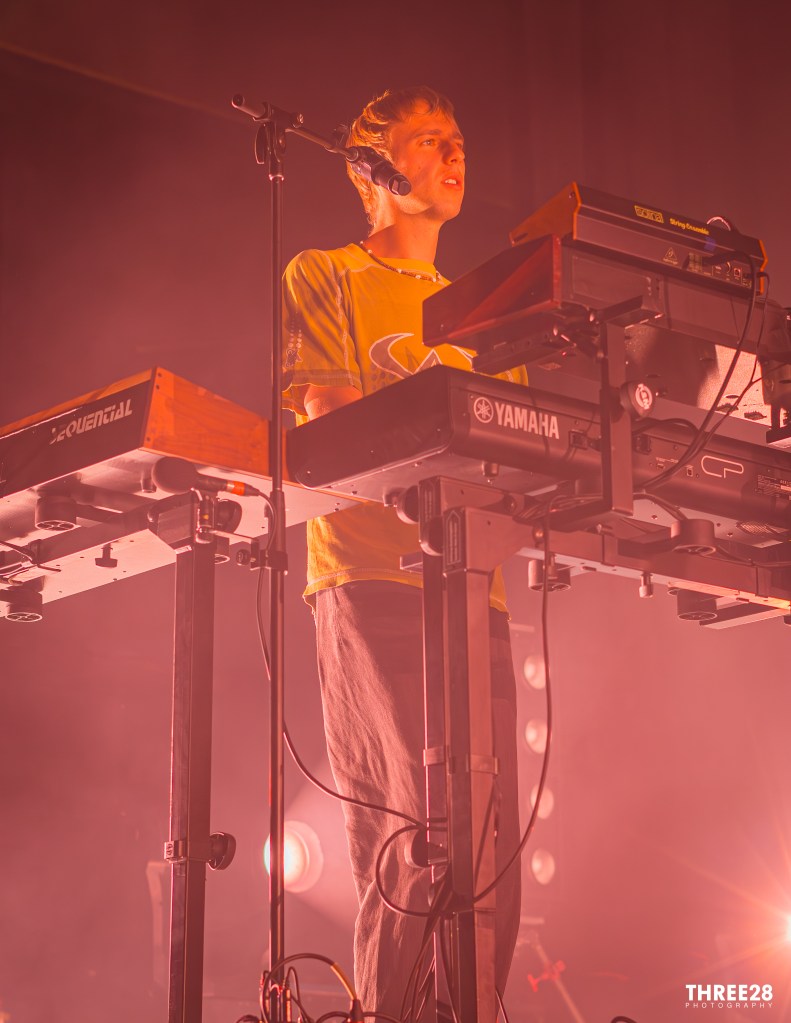
The evening commenced with “tobeloved,” an opening statement that immediately established the emotional architecture of the performance. Rather than relying upon an explosive introduction, Parcels allowed their characteristic rhythmic finesse to unfurl organically, gradually drawing the audience into a world where affection and escapism share the same dance floor. The stage itself presented a visual complement to their vintage-inspired aesthetic, illuminated by mid-leveled banks of multi-bulb floodlights reminiscent of the rectangular lighting arrays that once presided over old-fashioned football stadiums. Arranged in regimented grids, these luminous fixtures resembled miniature stadium floodlight towers, bathing the musicians in theatrical radiance while evoking an era when spectacle depended upon electricity rather than digital excess. The resulting atmosphere was simultaneously cinematic and intimate, a peculiar juxtaposition that suited the band’s musical personality. Beneath those glowing sentinels, every bass flourish, keyboard embellishment, and percussive accent found its rightful place. There was no discernible struggle for the spotlight, only five artists demonstrating that musical conversation can be considerably more compelling than individual grandstanding.
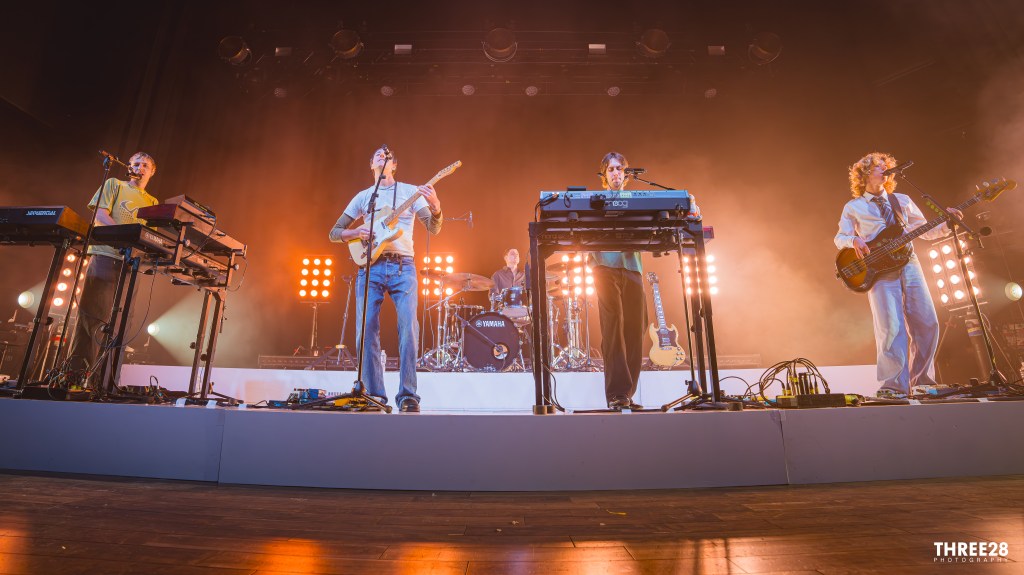
By the time “Tieduprightnow” entered the proceedings, the distinction between performers and spectators had become delightfully irrelevant. One of the group’s most recognizable compositions, the track ignited an enthusiastic singalong, with fans delivering its familiar refrains at the top of their lungs and occasionally threatening to overpower the amplification itself. It was a marvelous display of communal affection, the sort of moment that transforms a commercially successful recording into something resembling shared cultural property. Throughout the performance, Crommelin maintained an endearing rapport with the audience, pausing to declare, “you all look beautiful, all of you.” His compliment carried none of the perfunctory polish associated with rehearsed rock-star flattery. Later, his simple acknowledgment, “thank you for taking the time to come out to see us,” revealed an appreciation for the people who had filled the venue. Such exchanges reinforced the band’s approachable disposition, suggesting that their increasing popularity has yet to compromise their humility. Even their stage presence operated through a refreshing absence of hierarchy, as each musician contributed to a seamless conversation of melody and movement. The crowd, meanwhile, needed little encouragement to keep the conversation going.
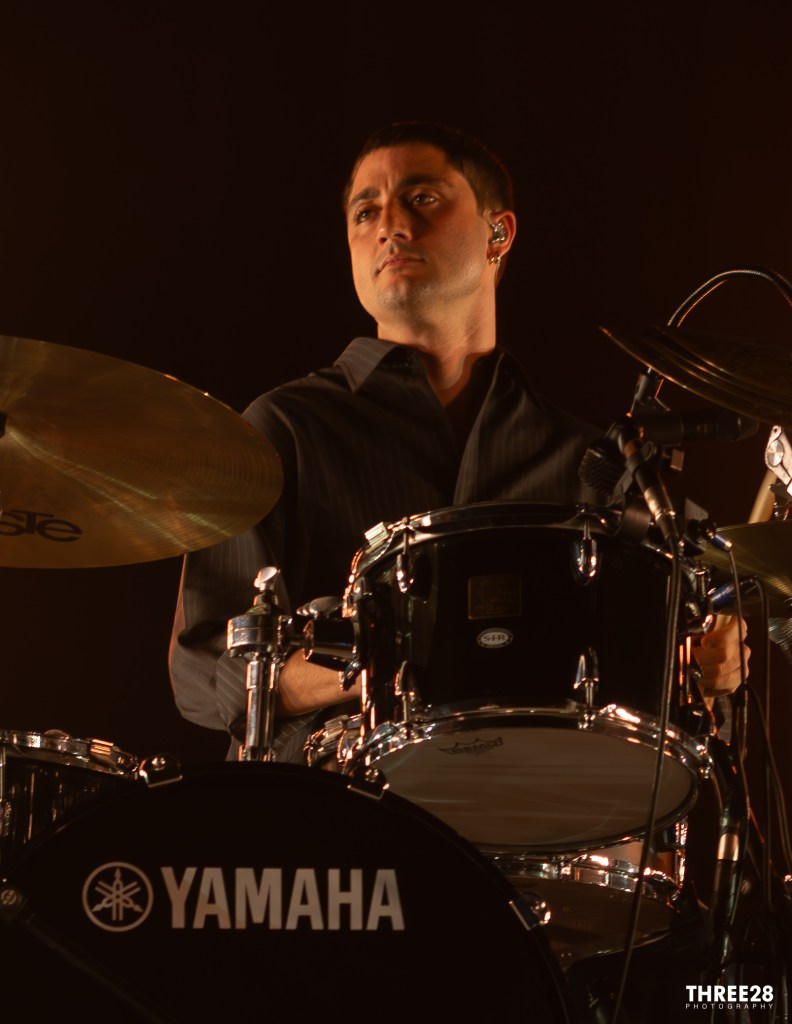
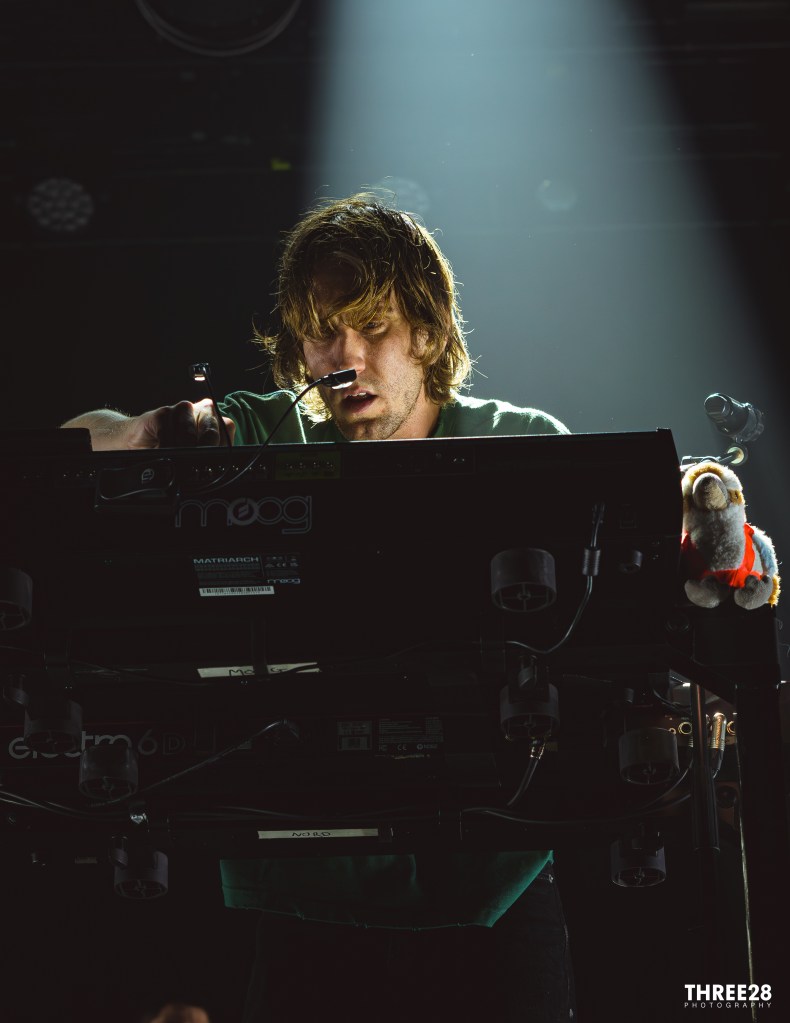
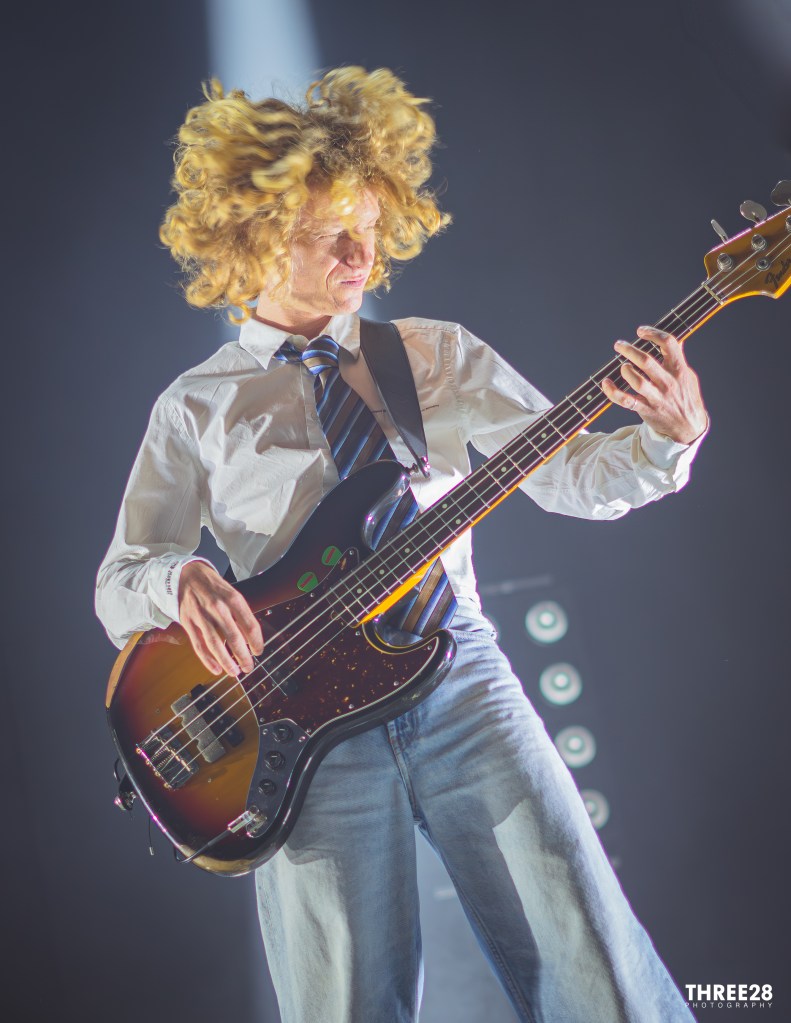
Yet the most compelling aspect of Parcels lies in their ability to make sophisticated arrangements appear almost suspiciously effortless. Their music demands considerable precision, particularly when navigating the delicate intersections of disco, psychedelia, funk, and electronic production. In less capable hands, such an amalgamation might collapse beneath the weight of its own ambition. Parcels, however, possess an intuitive understanding of restraint, knowing precisely when to embellish a passage and when to allow a groove the necessary breathing room. Serret’s rhythmic foundation and Hill’s elastic bass work provided an irresistible undercurrent, while the interplay between Swain, Hetherington, and Crommelin introduced layers of harmonic sophistication without sacrificing accessibility. The floodlight arrays continued to punctuate these exchanges, transforming the stage into something between a retro television broadcast and an illuminated sporting arena. If musical chemistry were an Olympic discipline, these Australians would have departed Atlanta with enough gold to make customs suspicious. More importantly, their command of the room never required theatrical arrogance; their greatest flex was making everyone feel included in the performance.
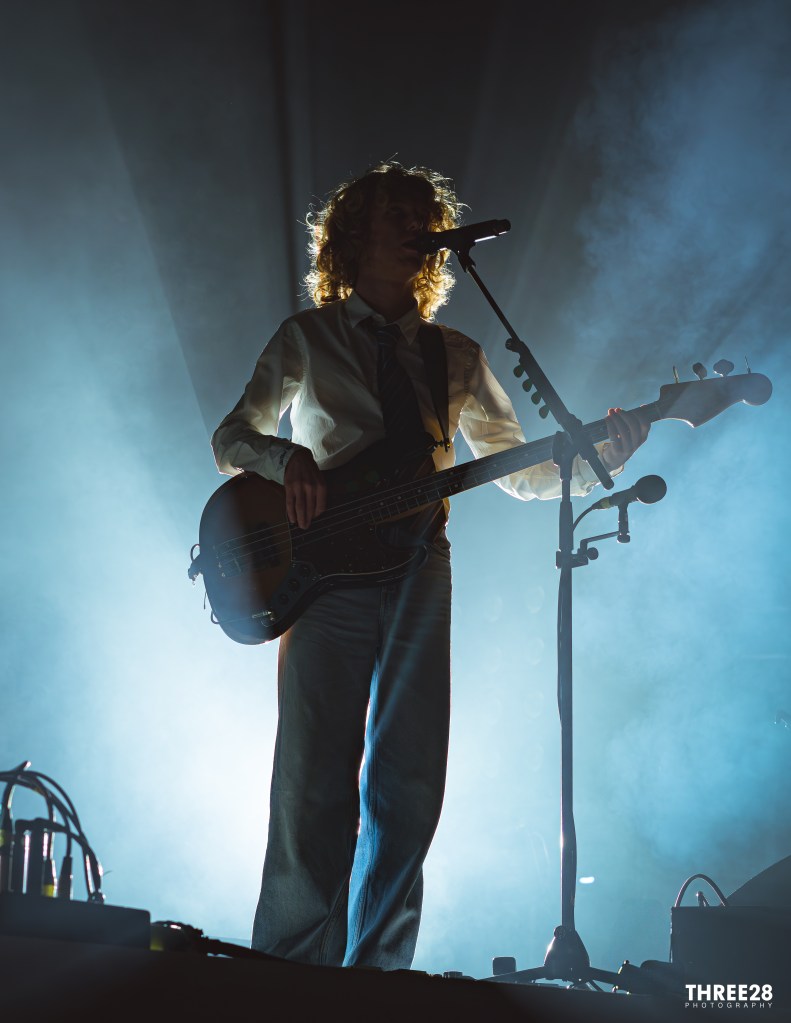
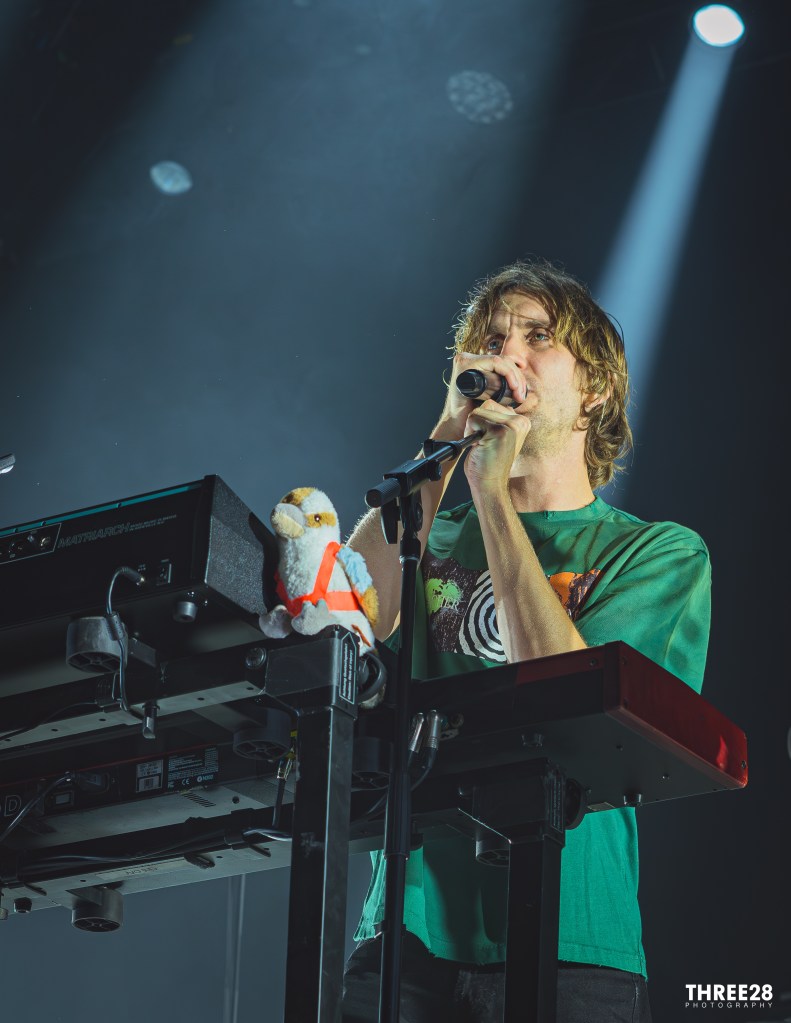
The evening ultimately reached its conclusion with “finallyover,” an appropriately titled finale that proved considerably more celebratory than its name might suggest. Welcoming opening act The Booyah! Kids back onto the stage, Parcels transformed the closing number into a collaborative farewell, extending the spirit of fellowship beyond their own lineup. The additional musicians introduced another dimension of exuberance, allowing the concert to conclude not as a solitary headliner’s triumph but as a collective expression of gratitude. There was something beautifully circular about opening with “tobeloved” and departing with “finallyover,” two compositions that bookended the evening with contrasting emotional implications. One suggested the universal desire for connection; the other acknowledged the inevitability of endings. Between those sentiments, however, Parcels had offered an eloquent reminder that the most meaningful experiences are rarely measured by their duration. As the final notes dissipated beneath the stadium-style lights, the sold-out audience was left with the peculiar satisfaction of having witnessed a band operating at the intersection of artistic maturity and youthful abandon. For a group whose latest musical chapter concerns the complexities of love, their HOTlanta appearance delivered a remarkably uncomplicated conclusion: Parcels came to be loved, and The Eastern obliged without reservation.


Leave a Reply