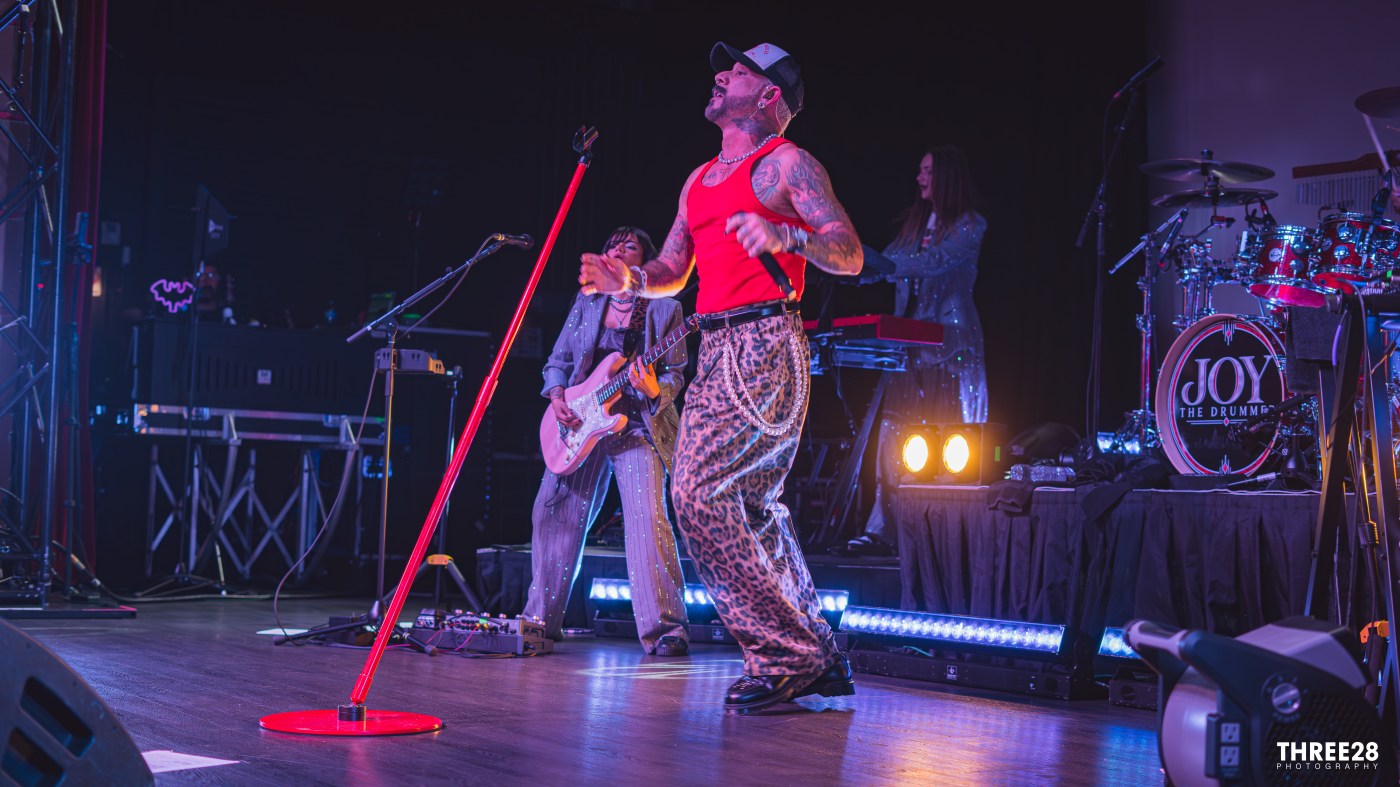
There is a particular kind of courage required to walk away from the most successful version of yourself, especially when that version has spent three decades occupying the collective imagination of millions. For AJ McLean, the decision to venture out from beneath the considerable shadow of the Backstreet Boys is not exactly a rejection of his past, but rather an attempt to establish what comes next. That distinction is important. As one of five voices responsible for some of the most recognizable pop anthems of the late nineties and early aughts, McLean could comfortably spend the remainder of his career revisiting the catalogue that made him famous. Instead, the 48-year-old is pursuing an altogether more personal proposition with the Better Man Tour, introducing audiences to Alexander James, the more introspective creative identity behind the familiar stage persona. It is an ambitious undertaking, and perhaps a slightly audacious one, considering the gravitational pull of his former group. Yet there is something genuinely admirable about an entertainer choosing reinvention when nostalgia would provide a considerably easier paycheck. The evening at Buckhead Theatre offered an intriguing glimpse of that transition, although the universe clearly had other ideas about keeping the proceedings entirely independent. After all, when a Backstreet Boy happens to be sitting in the audience, the distinction between solo endeavor and reunion fantasy becomes wonderfully difficult to maintain.
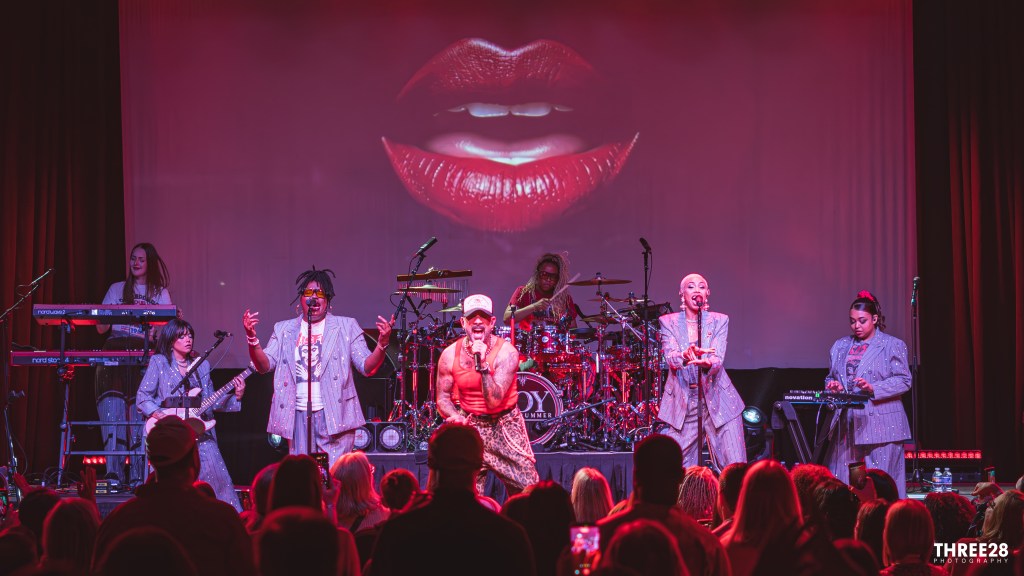
The room itself offered a rather entertaining sociological study. The crowd consisted predominantly of women somewhere between their thirties and fifties, many accompanied by children, while others had brought their own parents along for the occasion. It was a multigenerational gathering with a particularly charming symmetry: some attendees had once been the children dragged along by their parents when Backstreet Boys mania first swept through the world, while others were now introducing their offspring to the soundtrack of their own adolescence. A few had apparently decided that familial bonding could be accomplished through screaming at a man in a red tank top. Who are we to question the methodology? McLean emerged looking remarkably youthful, sporting a red sleeveless top and loose leopard-print trousers, an ensemble that suggested a man who had never received the memo about dressing according to his birth certificate. Behind him stood an all-female backing band, each musician dressed in glittering silver, providing a suitably glamorous counterpoint to the frontman’s more mischievous wardrobe choices. Their musicianship was polished, their presence energetic, and their collective contribution gave the production considerably more substance than a straightforward nostalgia exercise. Opening with “Body Butter,” McLean immediately established a playful atmosphere, demonstrating that his solo material could command attention without requiring five-part harmonies or an army of synchronized dance steps.
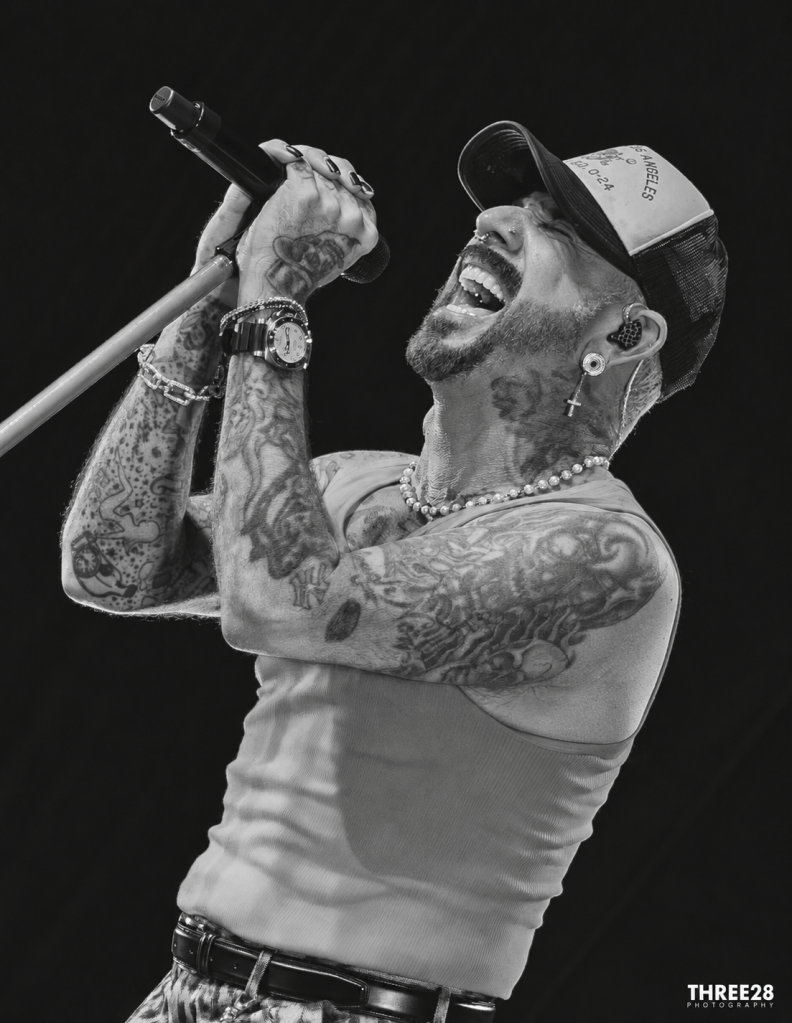
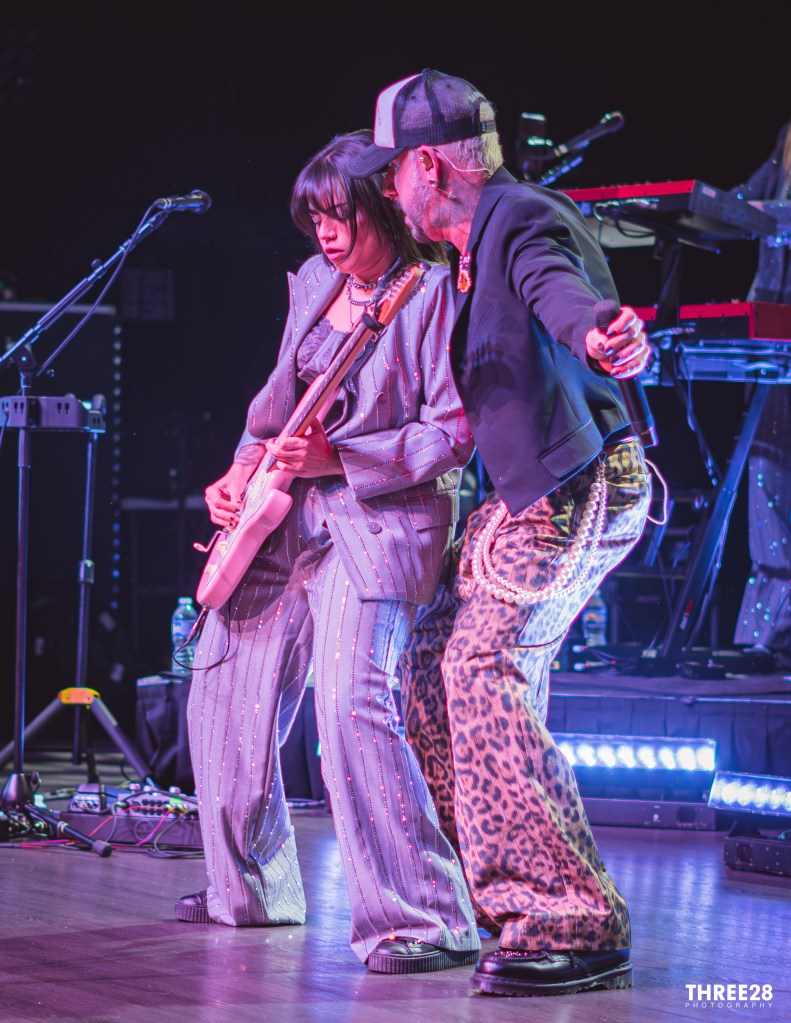
The set offered a worthwhile introduction to his individual catalogue, moving through selections including “The One That Got Away,” “Flowers,” “Arizona,” “Relapse,” and the title track, “Better Man.” There is an evident difference between these compositions and the immaculate pop architecture associated with his pop-buddies band. Here, McLean has greater freedom to explore personal experiences, relationships, vulnerability, and the occasionally uncomfortable business of becoming an adult in public. During his between-song conversations, he discussed his writing process and recalled how some material originated when he was still a teenager, equipped with an imagination considerably more developed than his actual understanding of adult intimacy. His recollections of attempting to write about sexiness at an age when the concept remained largely theoretical were particularly amusing. Apparently, youthful confidence is a wonderful substitute for practical experience, at least when the objective is producing a pop lyric. The self-deprecation suited him. McLean has retained the cheekiness that made him such a recognizable personality within the Backstreet Boys, but there is a more relaxed quality to his delivery now. He appears genuinely delighted to be performing, rather than simply fulfilling the obligations of a familiar entertainment machine. Songs such as “Relapse” and “Better Man” also revealed a more emotionally exposed performer, one seemingly comfortable allowing the audience to see the person behind the carefully cultivated image.
Then came “Lay Down Beside Me,” and with it, an episode that deserves its own small place in the annals of concert theatrics. McLean spotted a woman named Brittany in the audience, singled her out, and proceeded to dedicate the number to her while executing a series of deliberately seductive dance moves. The entire sequence was gloriously ridiculous, delivered with the confidence of someone who understands that subtlety is sometimes an overrated virtue. At 48, McLean has apparently decided that there is no expiration date on theatrical flirtation, and his audience was hardly inclined to disagree. The moment was funny precisely because he committed to it completely, leaning into the absurdity without a trace of embarrassment. Yet the evening’s most astonishing surprise was still waiting in the wings. Brian Littrell, who had been spotted among the audience, suddenly appeared onstage, transforming an already surreal evening into something considerably more extraordinary. Together, the two revisited “I Want It That Way,” although not quite in the manner anyone could reasonably have anticipated. Instead of the familiar ballad arrangement, the iconic Backstreet Boys anthem was married to the infectious rhythm of Earth, Wind & Fire‘s “September.” It was an inspired musical collision, equal parts nostalgic indulgence and disco-inflected mischief. Watching two members of one of pop music’s most successful groups perform their signature material in such an unexpected configuration was the sort of moment that makes live entertainment worth leaving the house for. Somewhere, the nineties and the seventies briefly shook hands, and everybody won.
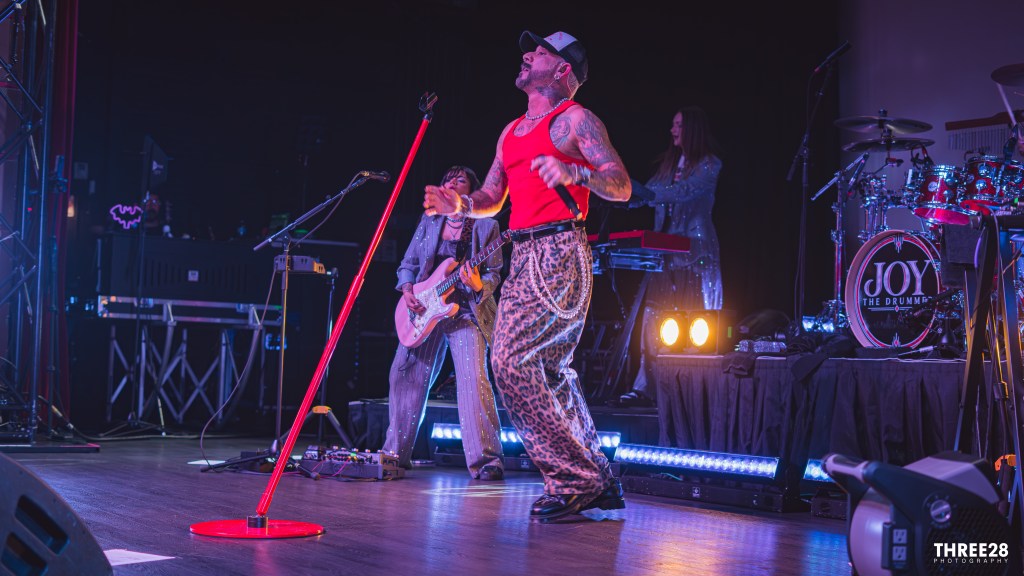
The cameo also underscored something that McLean seems to understand rather well: audiences do not necessarily want artists to abandon their history in pursuit of credibility. They simply want something more than a carbon copy of yesterday. The Backstreet Boys became a defining act of an era through their immaculate harmonies, choreographed performances, and an uncanny ability to turn romantic melodrama into international currency. McLean was always one of the group’s more distinctive personalities, bringing a slightly edgier temperament and considerable stage charisma to the arrangement. His solo ambitions, however, deserve to be evaluated on their own merits. The appearance of “Smoke,” “Kiss Kiss,” and “Can’t Love You Anymore” demonstrated a performer enjoying the opportunity to experiment beyond the familiar formula. His all-female ensemble deserves particular recognition here, maintaining a lively musical foundation while allowing the frontman to indulge his theatrical instincts. There was no shortage of showmanship, but neither did the production feel like an elaborate attempt to disguise the fact that McLean was building something new. If anything, the performance suggested that he has finally reached a point where he can enjoy the freedom of being himself without constantly worrying about which version of himself the audience expects.
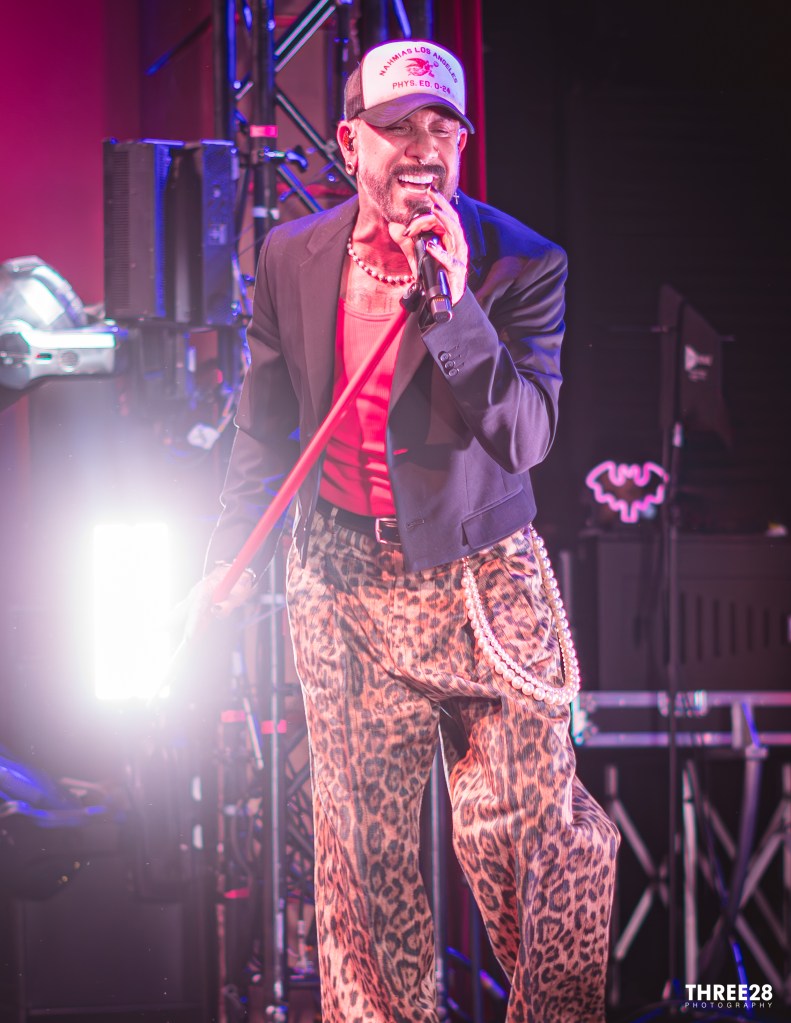
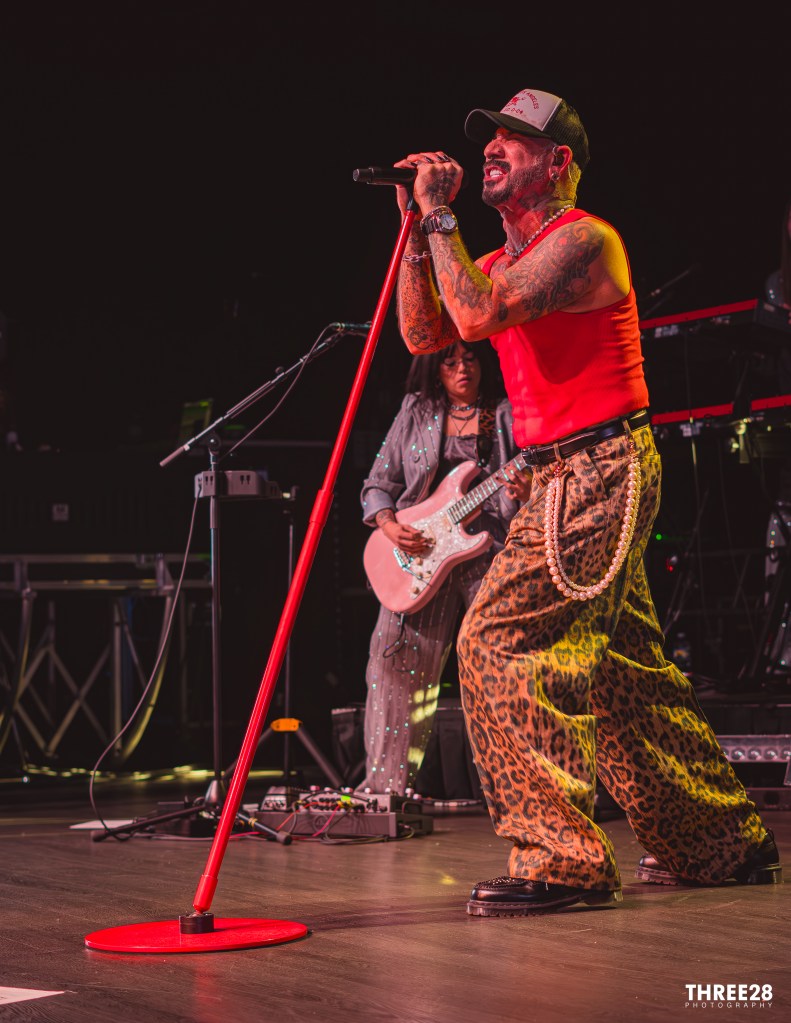
Ultimately, the Better Man Tour succeeds because its central character does not appear especially interested in pretending that he has everything figured out. There is humor, sentimentality, a little sexual innuendo, and an unmistakable affection for the people who have followed him through several decades of pop-cultural evolution. The closing stretch, culminating in “Into Your Heart,” offered a fitting reminder that this chapter is about more than revisiting old glories. McLean is attempting to establish a creative identity that can coexist with his extraordinary legacy, rather than remain permanently subordinate to it. That is no small undertaking for someone whose previous musical home included four other voices and a catalogue recognized by practically anyone who owned a portable CD player. Yet he seems to be having an awfully good time doing it. His youthful demeanor, infectious enthusiasm, and willingness to make himself the punchline occasionally are among his greatest assets. Perhaps the most impressive achievement was not the unexpected appearance of Littrell, the disco-infused reinvention of a beloved ballad, or even the leopard-print trousers, although the latter certainly made a persuasive argument for continued relevance. It was witnessing an established pop icon rediscover the pleasure of taking a creative risk. McLean may be a better man these days, but thankfully, he has not become a less entertaining one. The Backstreet Boys might have made him famous; this time, he is determined to make the next chapter unmistakably his own.


Leave a Reply