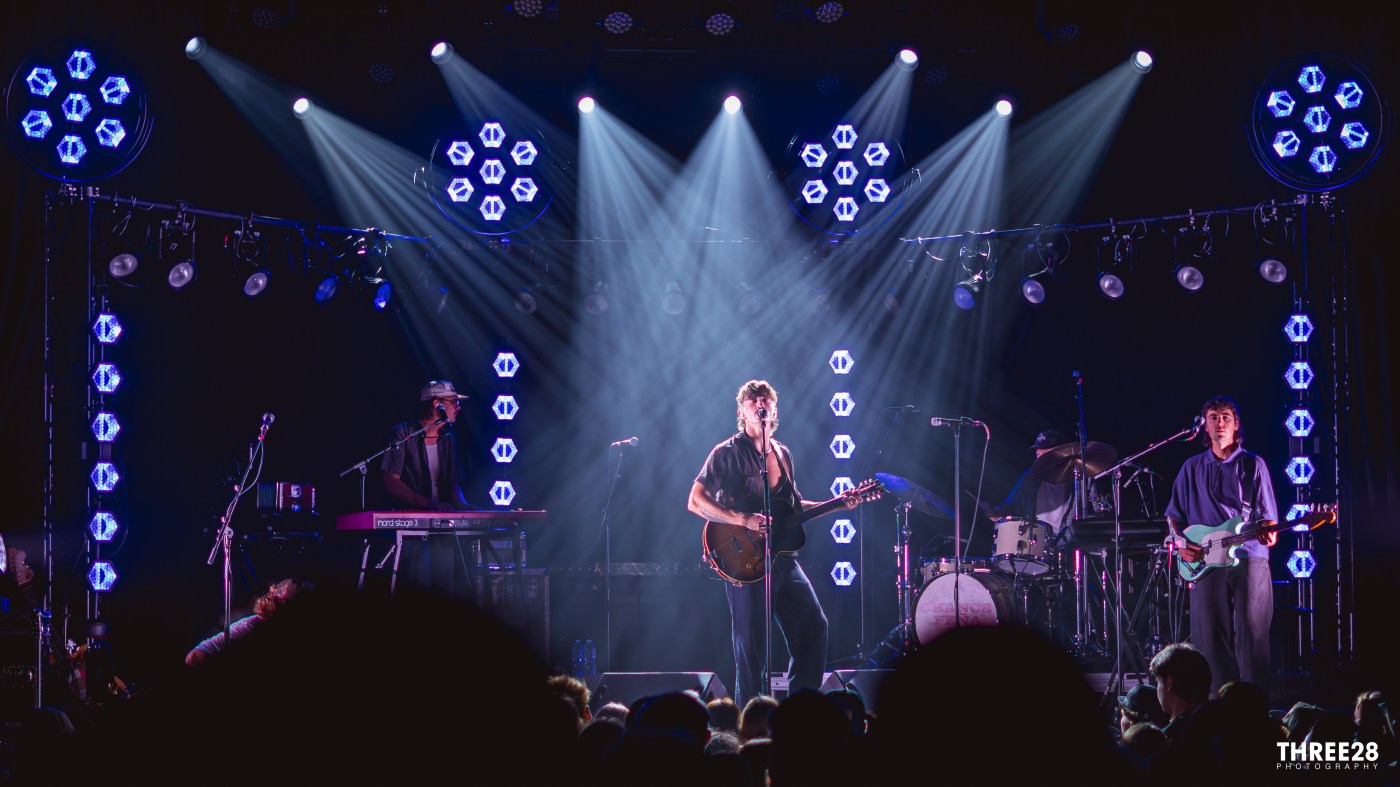
On a breezy summer eve, Variety Playhouse became the kind of room that reminds concertgoers why intimate venues remain indispensable. Long before the house lights dimmed, every inch of the historic theater buzzed with anticipation as fans packed shoulder to shoulder, having secured tickets months earlier after the show sold out well in advance. The demand for Chance Peña and his When I Change My Mind I Don’t Mean It Tour has grown at a pace that mirrors his meteoric ascent, and the sold-out crowd served as tangible evidence that he has evolved from an emerging singer-songwriter into one of the defining voices in today’s contemporary folk and indie landscape. There were moments throughout the evening when Variety Playhouse almost felt too small to contain the enthusiasm gathered beneath its ornate ceiling. Every balcony seat was occupied, every standing space filled, and every conversation before the performance carried the unmistakable excitement of witnessing an artist whose trajectory is still climbing. Rather than overwhelming the room, however, the intimacy amplified every lyric, every breath, and every shared moment between performer and audience.
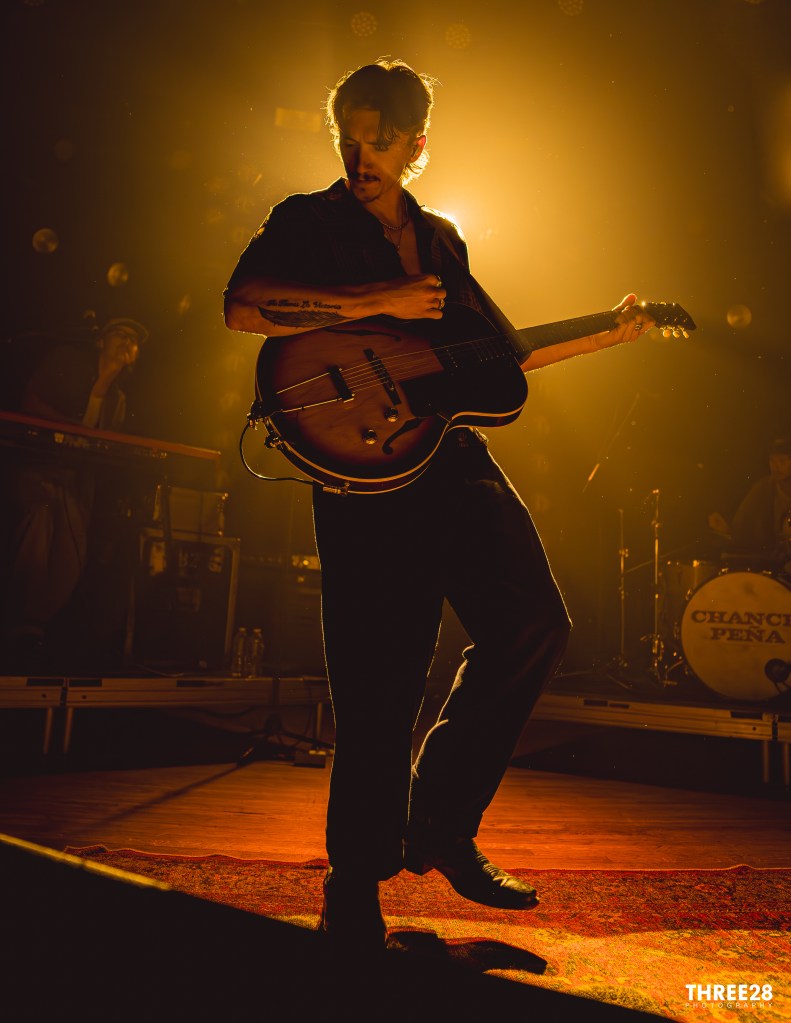

Chance Peña and his rise has been refreshingly organic in an era often dominated by fleeting viral success. While social media undoubtedly introduced his music to countless listeners, sustained admiration has come from something far more enduring: exceptional songwriting paired with remarkable authenticity. His compositions have found homes on countless playlists because they articulate emotions that many struggle to express themselves. As contemporary folk continues evolving alongside indie and Americana influences, Peña has established himself as one of the genre’s most compelling storytellers, balancing poetic lyricism with understated arrangements that never distract from the narratives at their core. He has become an artist whose catalog feels timeless rather than trendy, appealing equally to longtime folk enthusiasts and younger audiences discovering acoustic music through streaming platforms. That rare ability to bridge generations without sacrificing artistic identity is precisely what separates enduring musicians from passing sensations.
The instant Peña walked onto the stage, an almost reverential hush swept through the theater before erupting into thunderous applause. His demeanor remained composed and unassuming, never relying on theatrical spectacle or elaborate production to command attention. Instead, he allowed the music to occupy the spotlight. Possessing a rich tenor voice, Peña demonstrated remarkable control throughout the evening, delivering every phrase with crystalline clarity while effortlessly navigating both intimate lower passages and soaring melodic peaks. There is remarkable depth within his vocal timbre, one that carries equal measures of vulnerability and assurance without ever sounding forced. His performances feel conversational rather than performative, as though each song is being shared individually with every listener in attendance. The audience responded in kind, singing virtually every chorus back to him with unwavering conviction. At times Peña simply smiled, stepped back from the microphone, and allowed hundreds of voices to finish the lines, creating communal moments that transformed the concert into something resembling a collective confession.
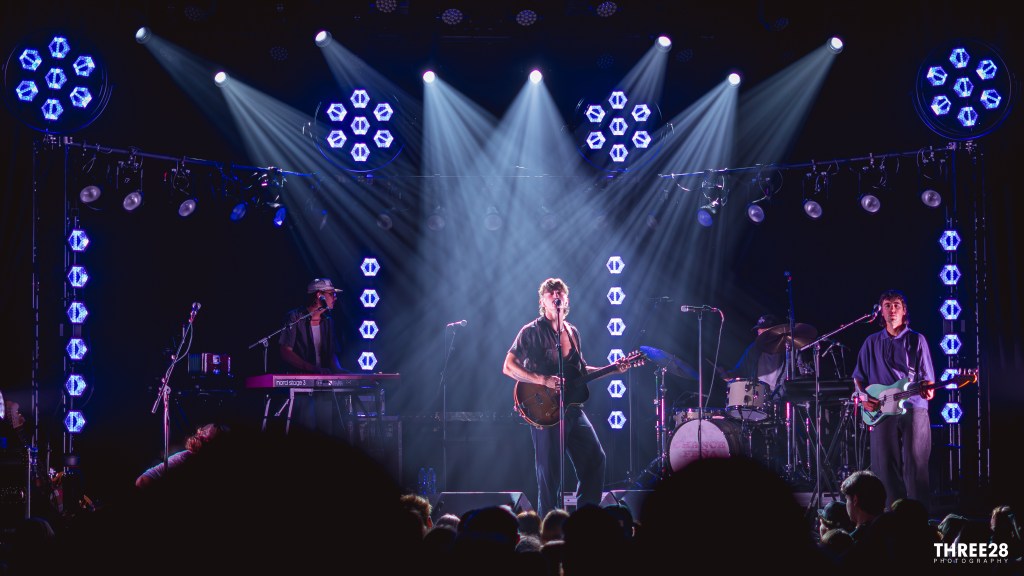
One of the evening’s greatest strengths lay in Peña’s willingness to pull back the curtain on his creative process. Between selections, he shared thoughtful anecdotes about the origins of several compositions, inviting the audience into the moments that inspired them. Among the most memorable stories was his introduction to “Montana,” explaining how a trip through the state’s breathtaking landscapes with close friends brought him such an overwhelming sense of peace that the song practically wrote itself in that very moment. Rather than presenting the track as merely another stop on the setlist, Peña transformed it into a living memory, allowing listeners to appreciate not only the finished composition but also the emotional landscape from which it emerged. Those personal reflections elevated the evening beyond a conventional concert, reinforcing the notion that his songs are journals set to melody rather than carefully manufactured products.
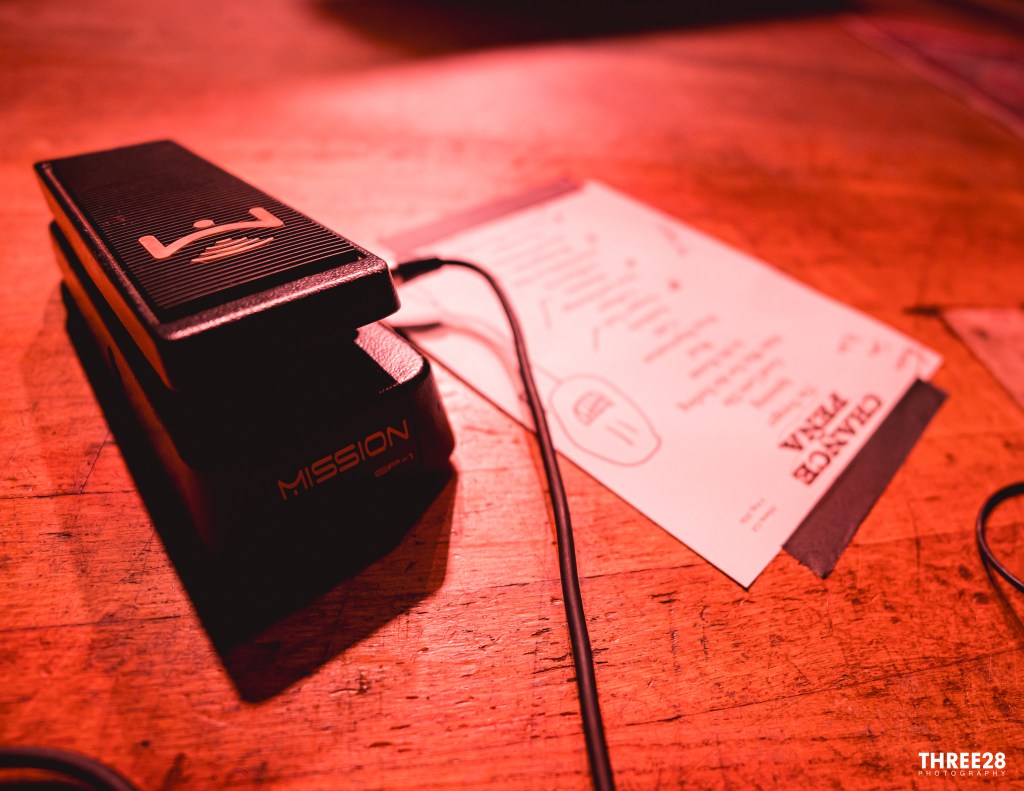
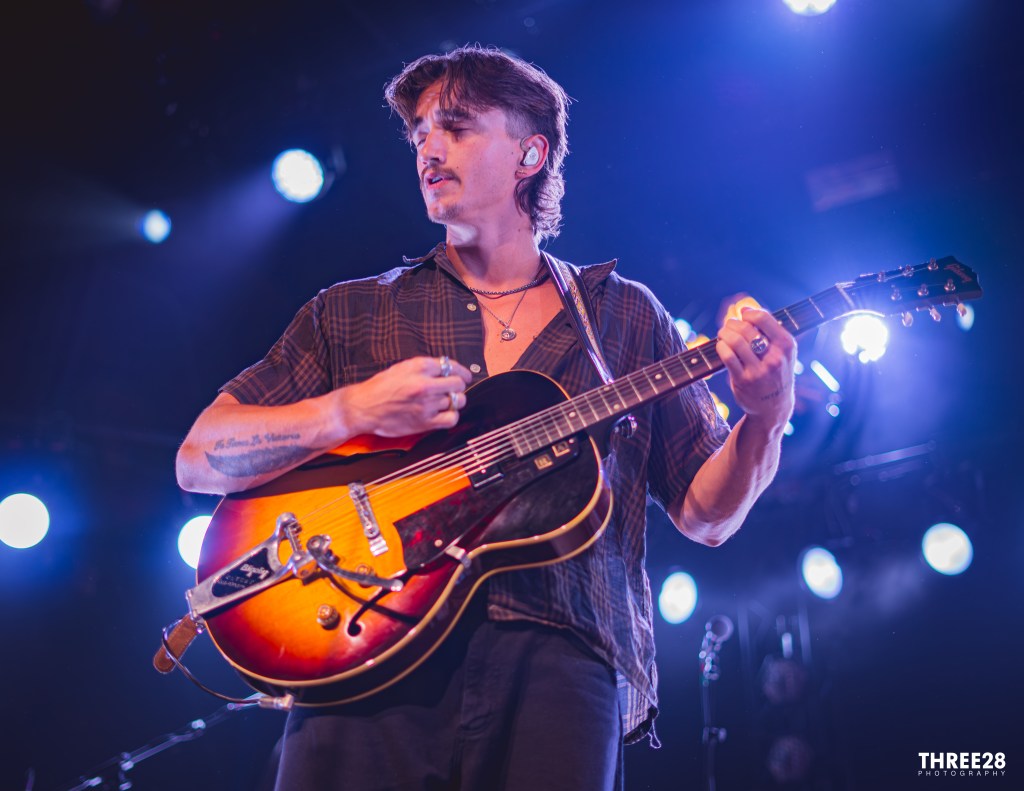
Naturally, considerable attention was devoted to material from When I Change My Mind I Don’t Mean It, an album that showcases an artist continuing to mature without abandoning the sincerity that first endeared him to audiences. The new collection broadens his sonic palette while remaining rooted in introspection, weaving together themes of uncertainty, personal growth, acceptance, and emotional resilience. There is a quiet confidence running throughout these newer songs, suggesting a songwriter increasingly comfortable embracing life’s contradictions instead of searching for tidy conclusions. Live performance granted these compositions additional dimension, as subtle instrumental flourishes and vocal nuances carried greater emotional weight than studio recordings alone can fully convey. Rather than disrupting the flow of familiar favorites, the newer material fit seamlessly into the evening, standing confidently beside the songs that initially established his reputation.
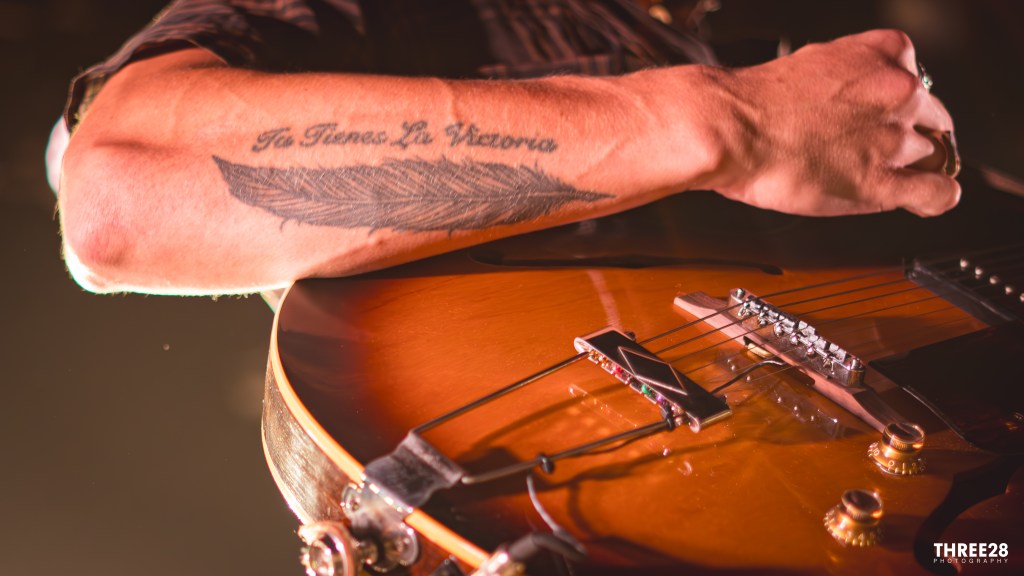
Perhaps the most remarkable aspect of a Chance Peña performance is the emotional refuge it provides. Listening to him sing feels like being wrapped in a warm blanket on a bitter winter evening, offering reassurance without demanding anything in return. At other moments, his music resembles the first rays of morning sunlight filtering through trees after an exhausting night, quietly reminding listeners that gentler days remain ahead. Few performers possess the ability to create such profound comfort without drifting into sentimentality. Peña accomplishes this because every lyric arrives with unmistakable sincerity, never exaggerating heartache or embellishing joy. His restrained stage presence only strengthens that connection, inviting audiences inward instead of projecting outward. Even during silence between songs, the room remained remarkably attentive, hanging onto each word with the understanding that every story carried genuine personal significance.
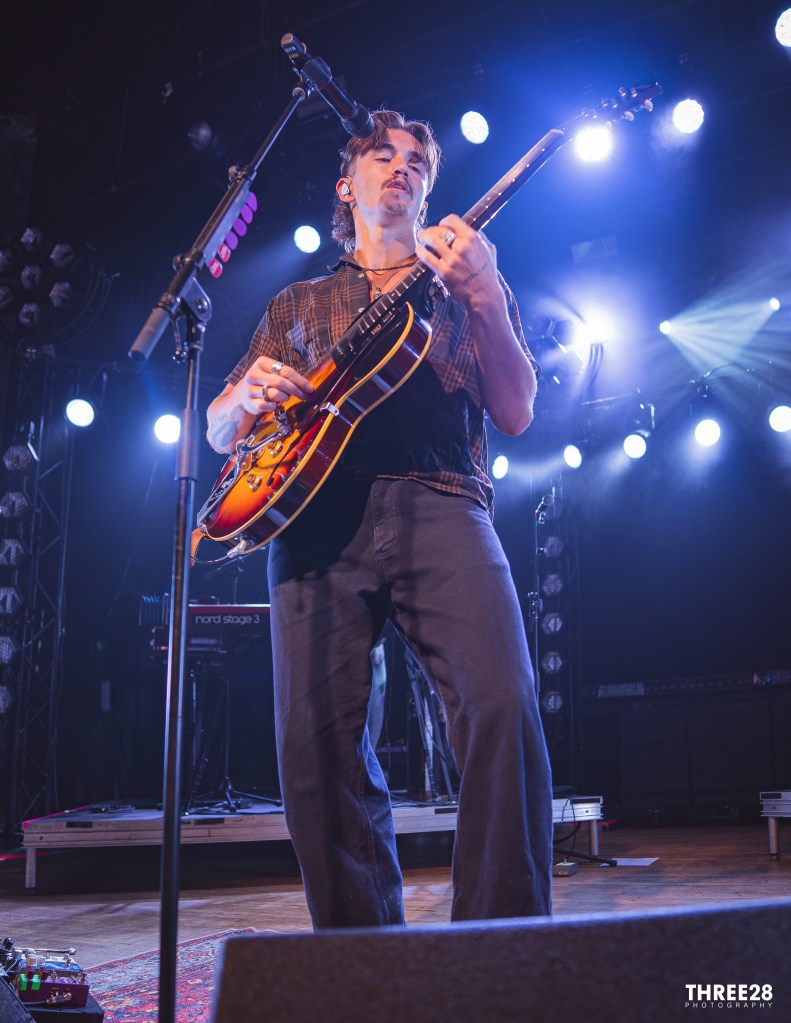

By the time the final notes faded and the standing ovation began, it was evident that Variety Playhouse had hosted far more than another successful tour stop. It had become the setting for a memorable gathering between an artist and an audience who clearly see themselves reflected in his music. Chance Peña continues proving that vulnerability, exceptional musicianship, and honest storytelling remain among the most powerful forces in modern music. If the overwhelming demand for tickets is any indication, future tours will almost certainly require larger venues, yet there is something uniquely magical about witnessing this level of artistry in a room where every lyric feels close enough to touch. The When I Change My Mind I Don’t Mean It Tour is more than a showcase for an outstanding new album—it is confirmation that Chance Peña is no longer simply one of folk music’s brightest emerging talents. He has become one of its most essential voices, and Atlanta was fortunate enough to experience that evolution from the front row of history.


Leave a comment