Photos by Andrés Alvarado, and the Shaky Knees Photo Team (Roger Ho, Andrea Escobar, Charles Reagan, Stephanie Cousino and Taylor Regulski)
Shaky Knees 2026: Heat, Thunder, Mud and Three Days of Beautiful Noise.
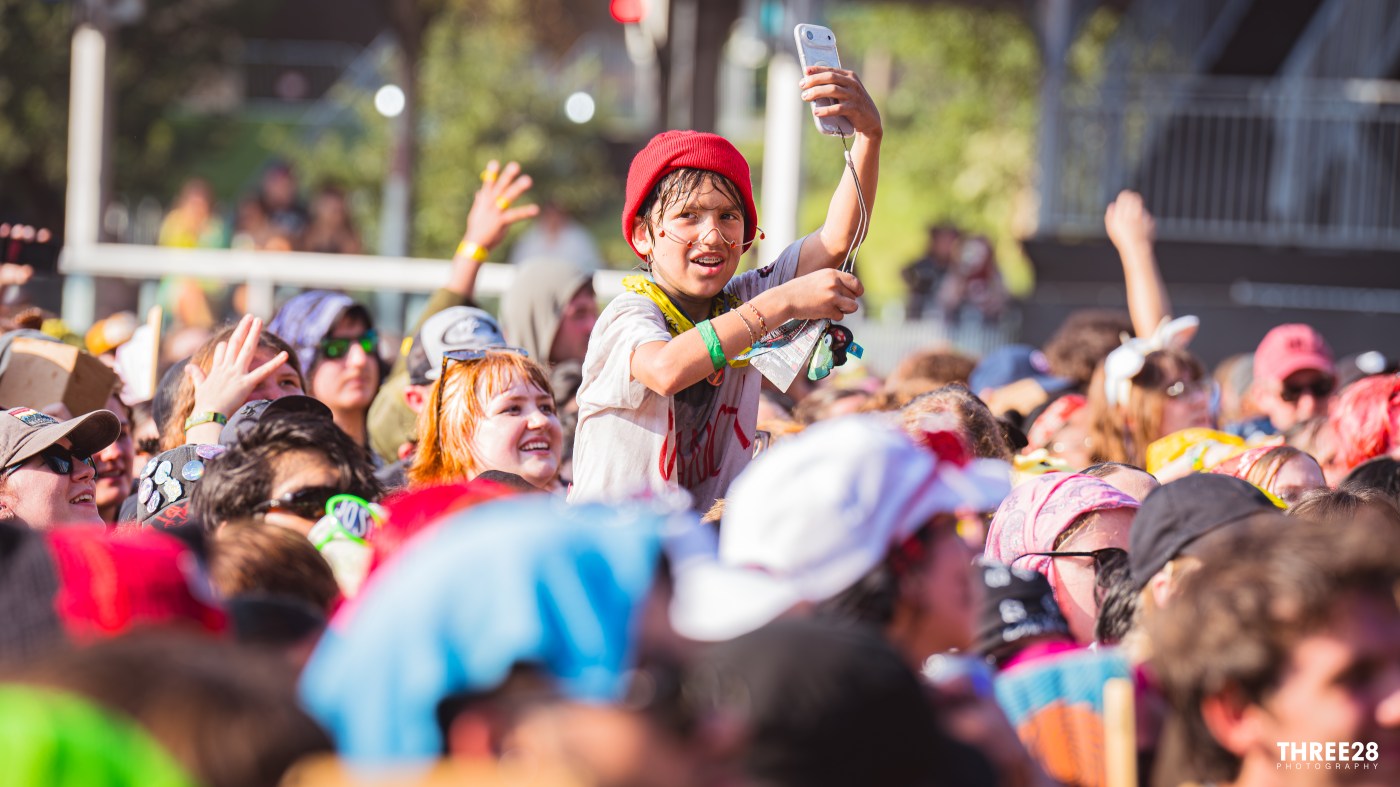
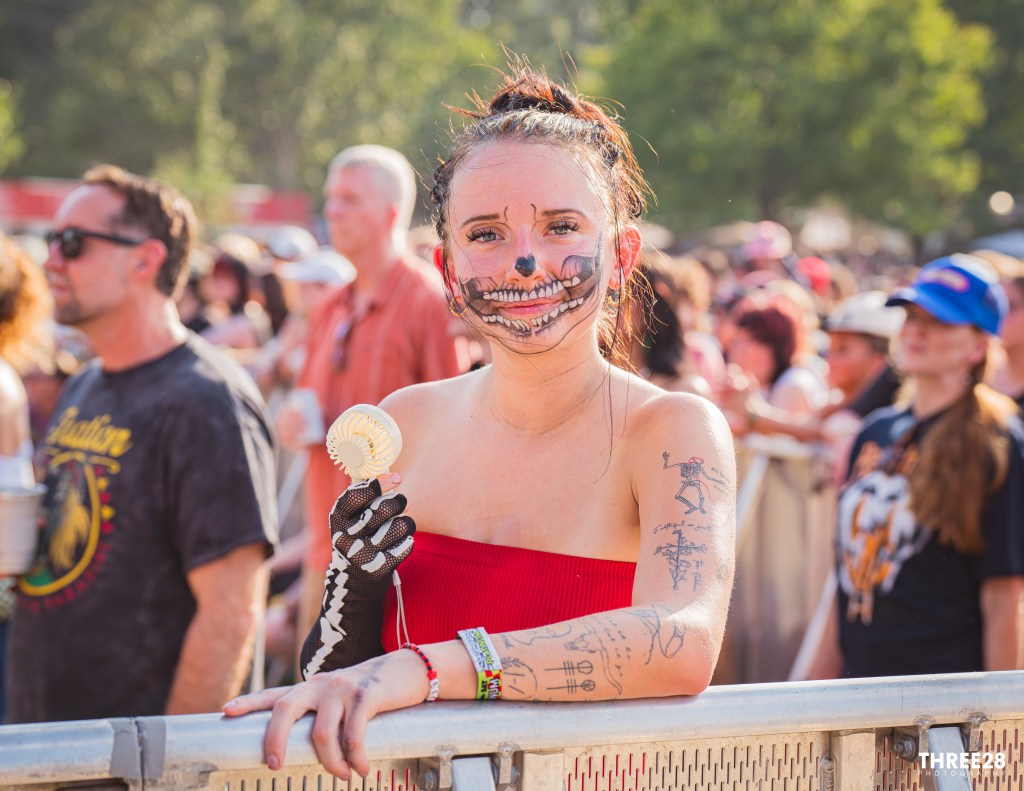
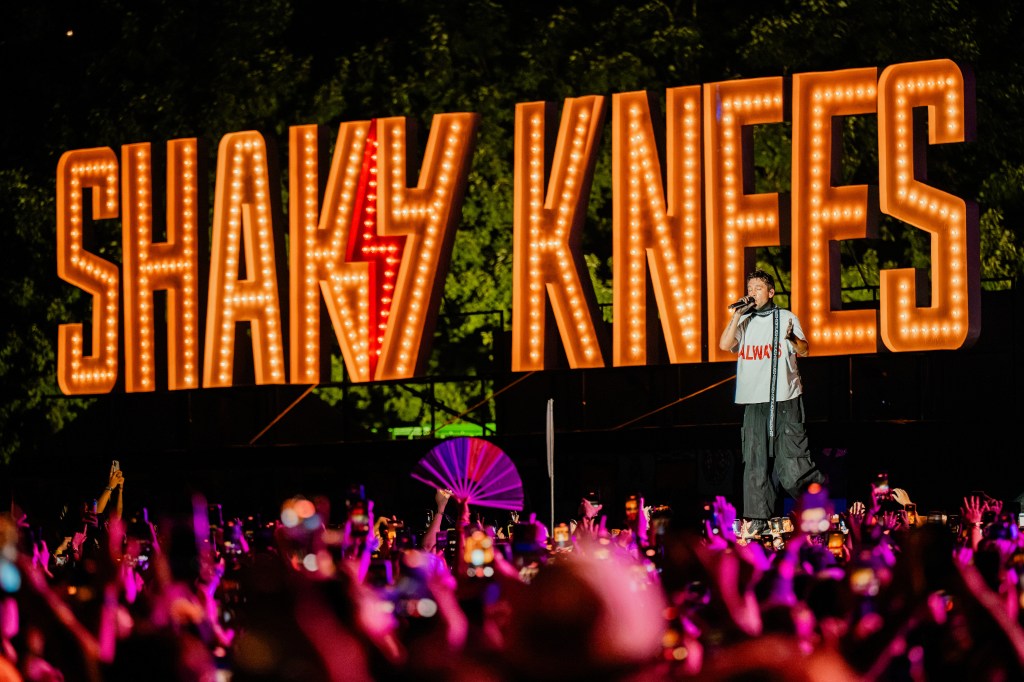
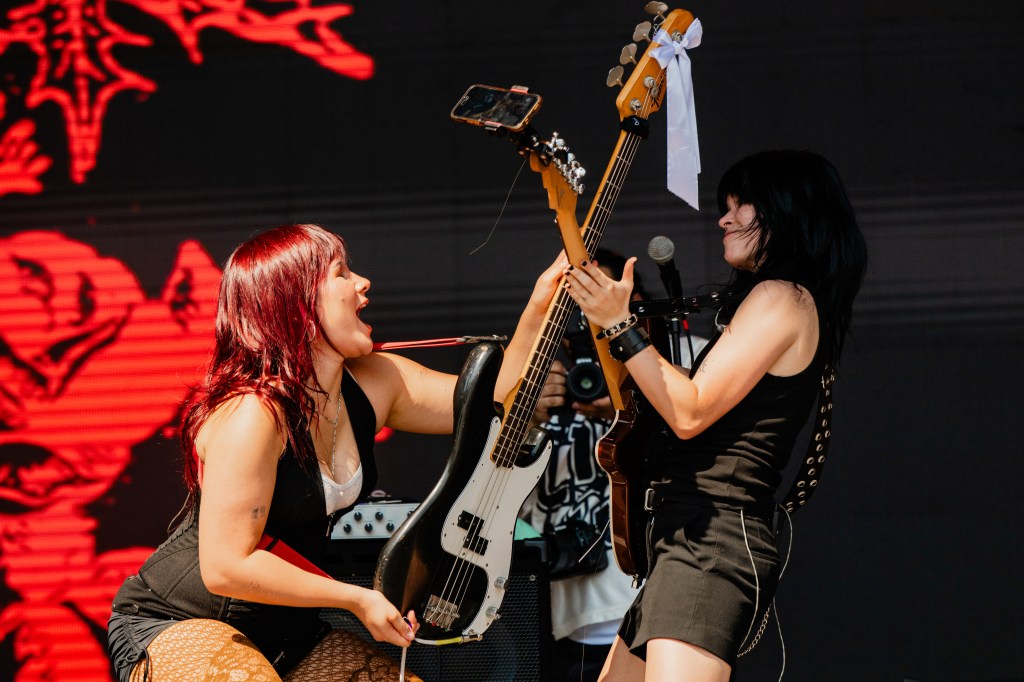
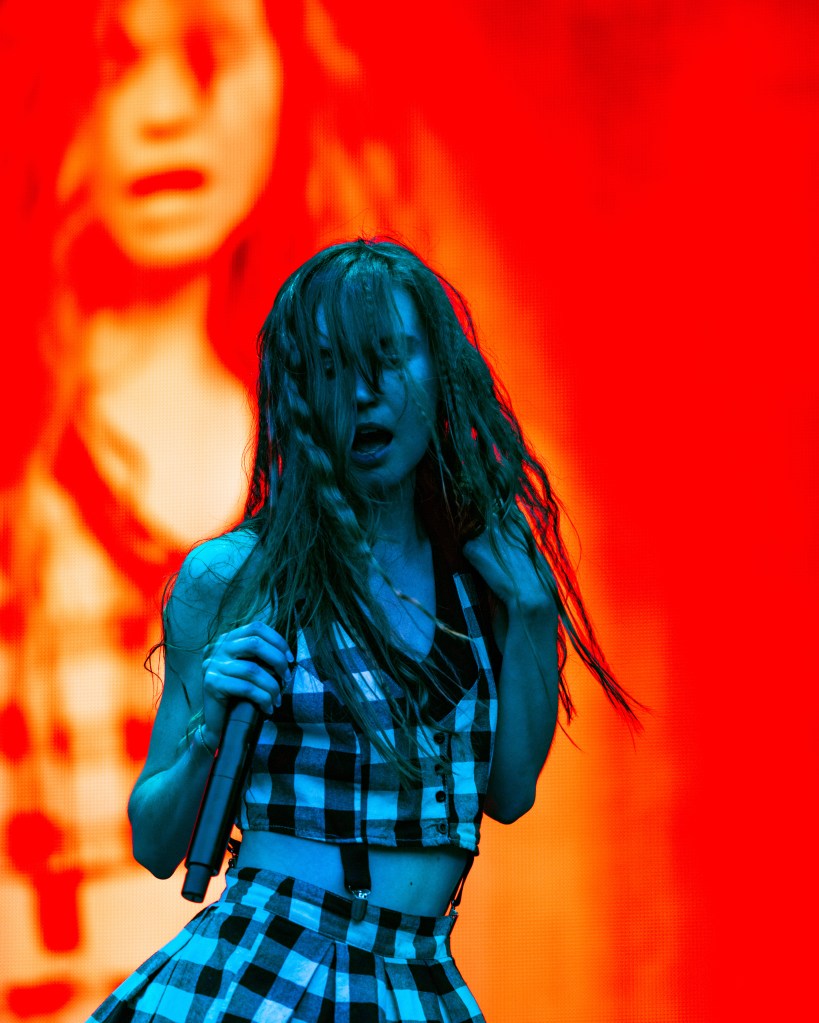
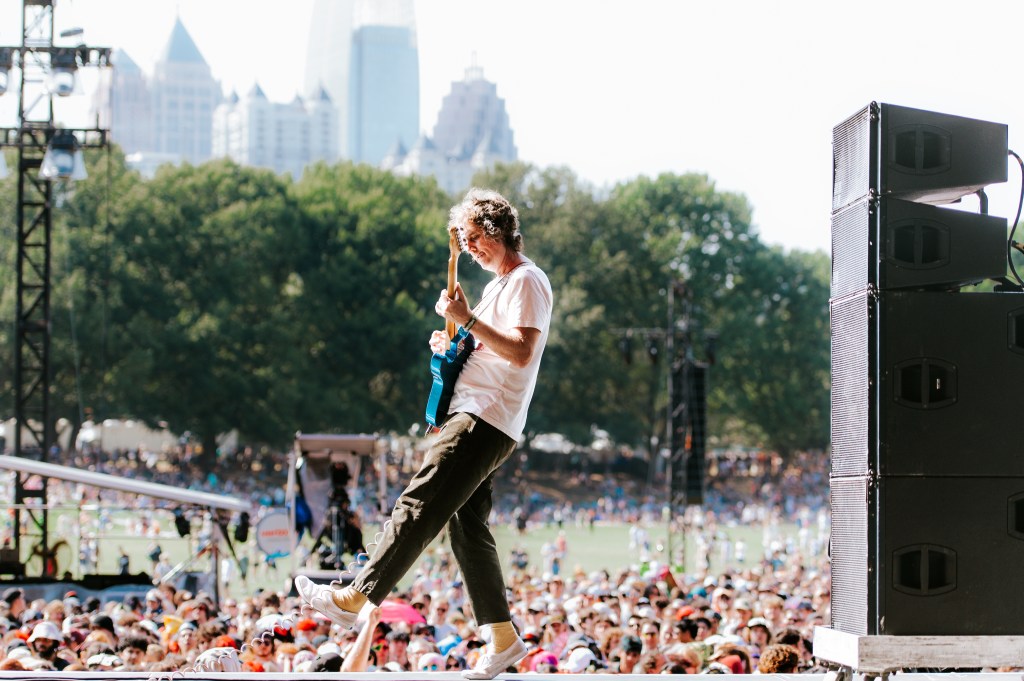
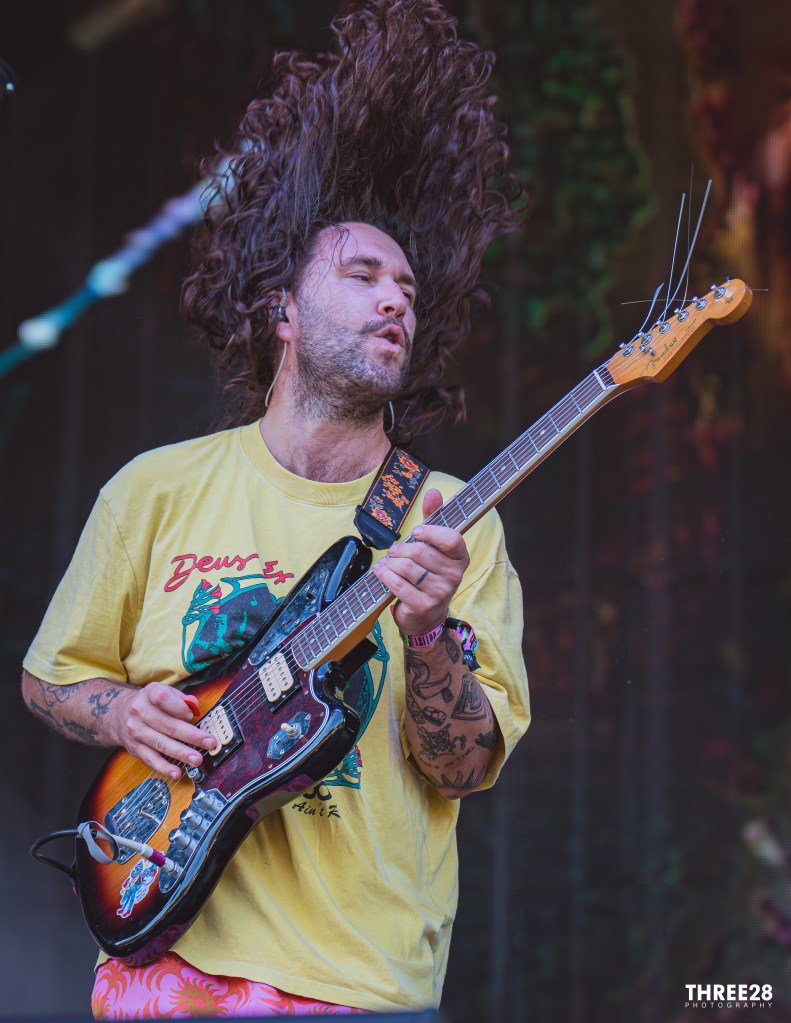
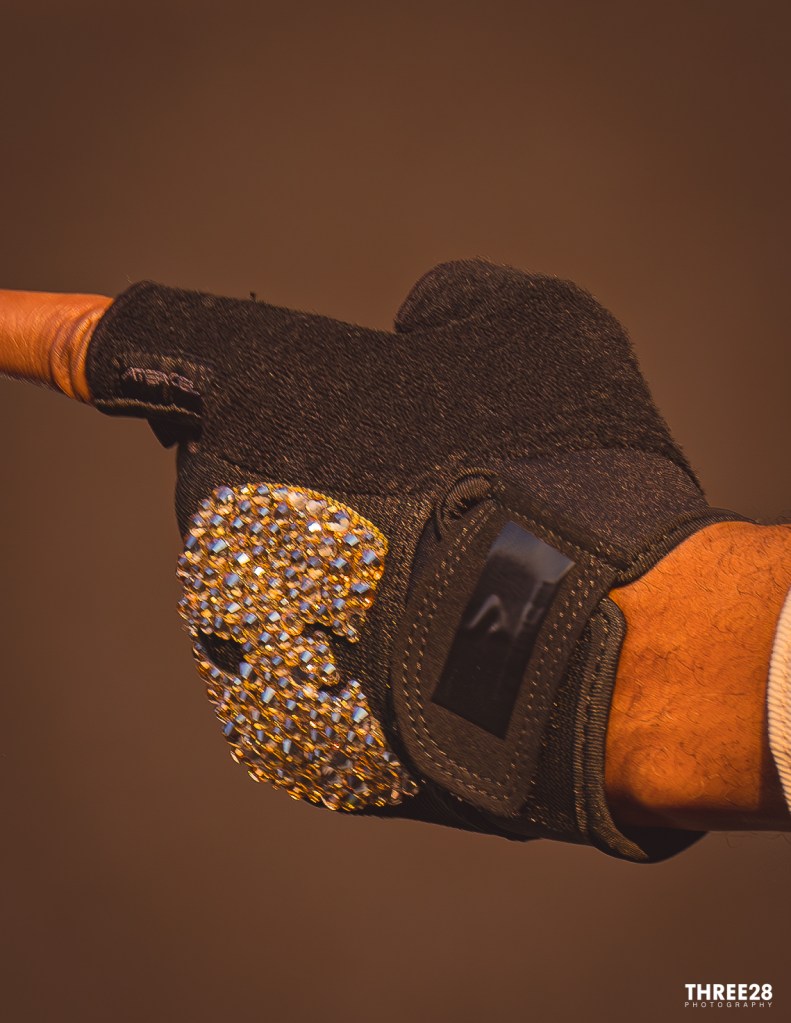
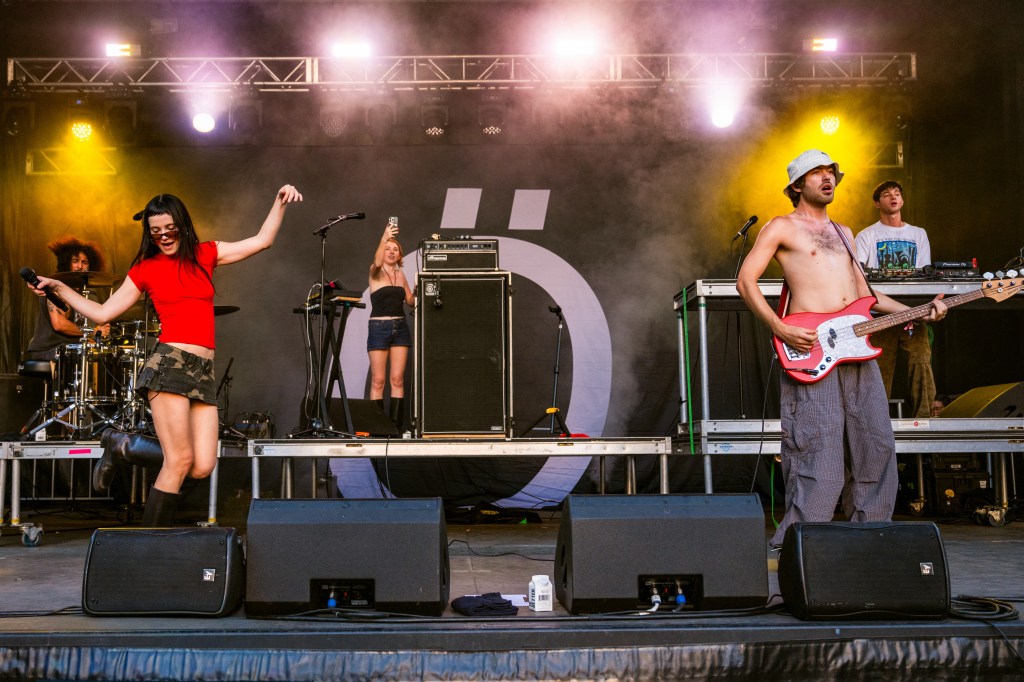
There are music festivals that happen in a city, and then there are festivals that gradually become part of a city’s identity. Shaky Knees has managed the latter. From September 18–20, the festival returned for its 13th edition, and its second year in Piedmont Park, bringing more than 60 acts to four stages beneath Atlanta’s stubborn late-summer sun. The setting still feels almost suspiciously perfect: Midtown’s skyline looming beyond the Peachtree Stage, rolling lawns turning into natural amphitheaters, and wooded paths briefly offering salvation from the heat. The sold-out weekend was headlined by The Strokes, Twenty One Pilots and Gorillaz, but reducing Shaky Knees to those three names misses the point. This was a weekend of punk, indie rock, hardcore, hip-hop, dance music, nostalgia, discovery and, on Saturday, an absolutely ferocious thunderstorm. It was also a spectacular display of festival humanity. There were leather-clad goths sweating heroically in 90-degree weather, people in cowboy hats and almost nothing else, glitter-covered faces, fishnets, platform boots, psychedelic shirts, homemade costumes and outfits whose engineering seemed considerably more ambitious than their practicality. Somehow, it all belonged.
That sense of eccentricity is embedded in Shaky Knees’ history. Founder Tim Sweetwood launched the festival in 2013 because he believed Atlanta lacked a festival devoted primarily to the kind of alternative and guitar-driven music he loved. Even the name comes from a lyric in My Morning Jacket’s “Steam Engine.” The inaugural two-day event at Historic Fourth Ward Park and the Masquerade grounds was headlined by The Lumineers, Jim James and Band of Horses. From there, Shaky Knees became something of an Atlanta nomad, moving through different locations before establishing a longer residency at Central Park and eventually relocating to Piedmont Park in 2025. Along the way, its stages have hosted an absurd cross-section of modern rock history, while memorable appearances by artists such as The Flaming Lips and Peaches helped establish the festival’s appetite for the theatrical and peculiar. The move to Piedmont Park following Music Midtown’s disappearance altered the scale without completely erasing Shaky’s personality. Now the festival feels bigger, more polished and somewhat broader musically, but it remains recognizably itself: less a lifestyle convention with bands attached than a weekend built around the obsessive pleasure of seeing live music.
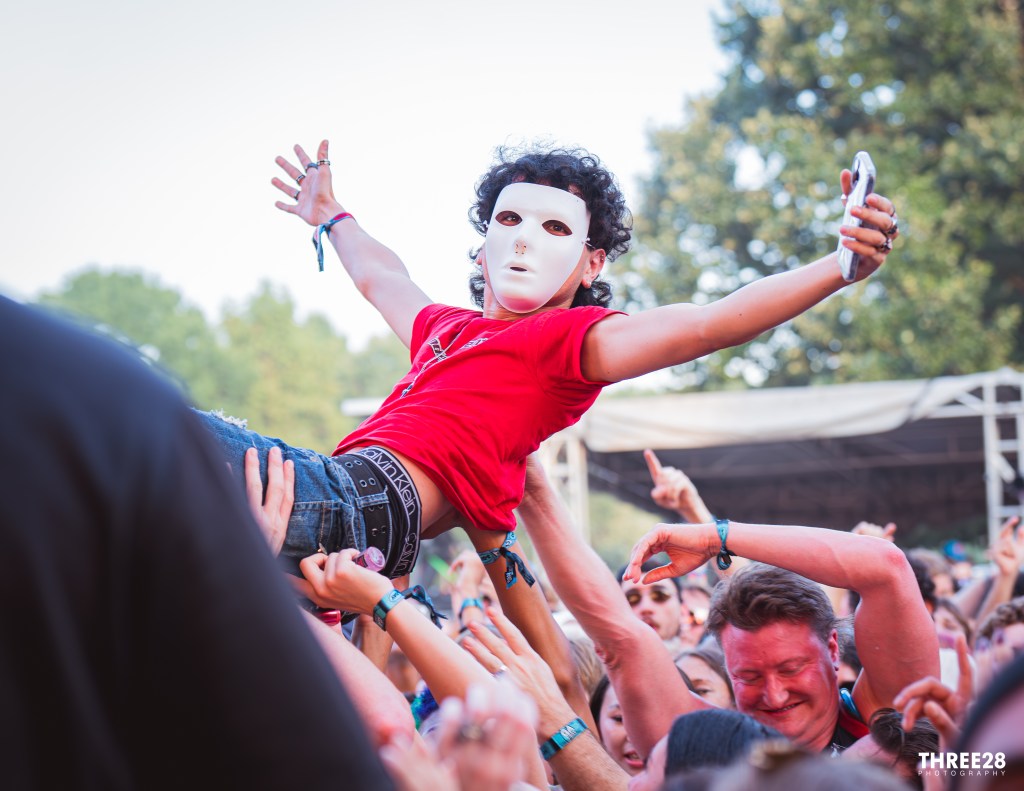
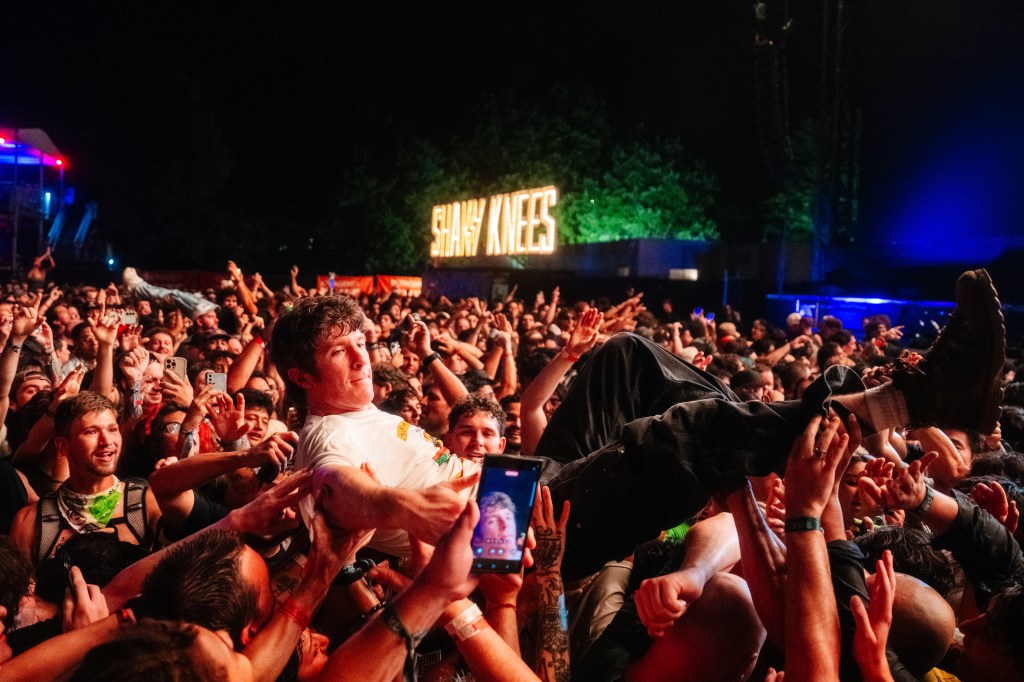
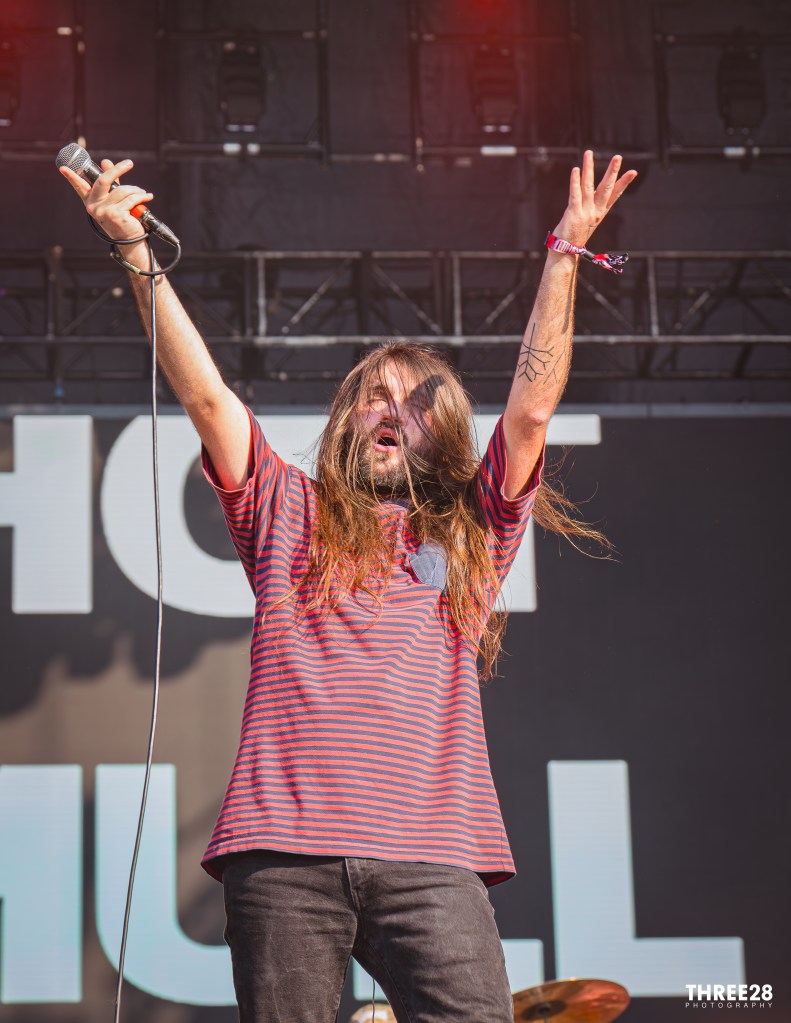
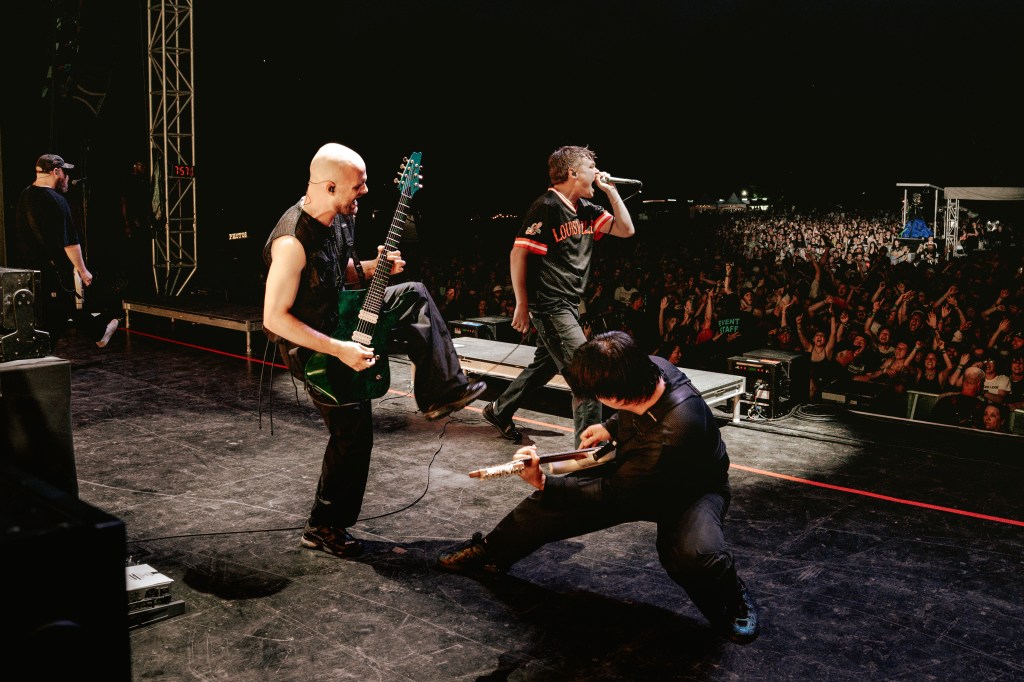
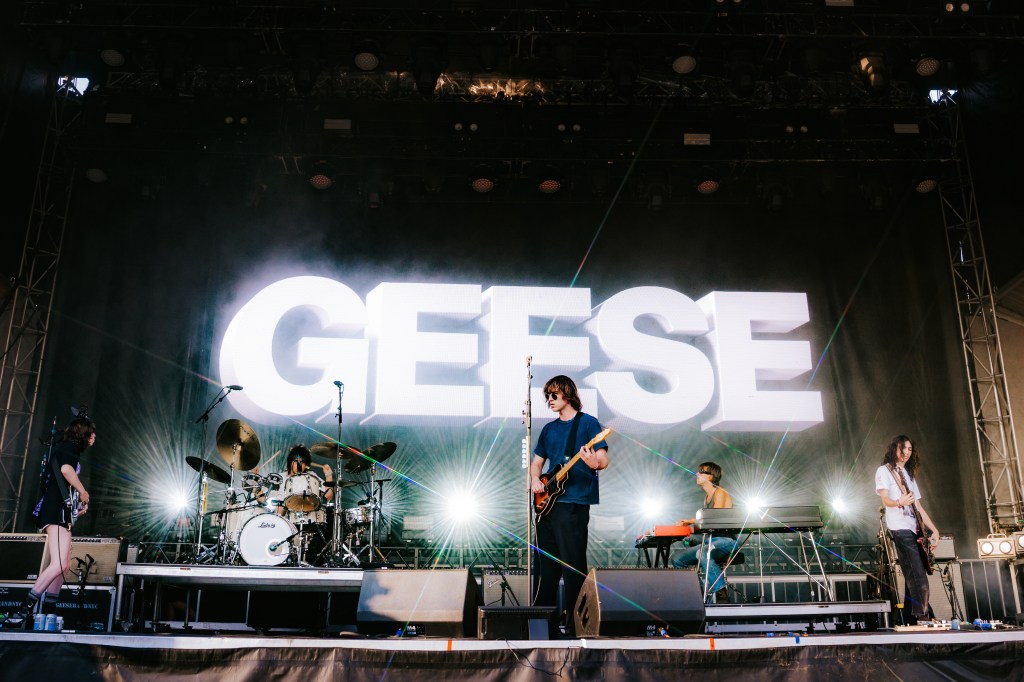
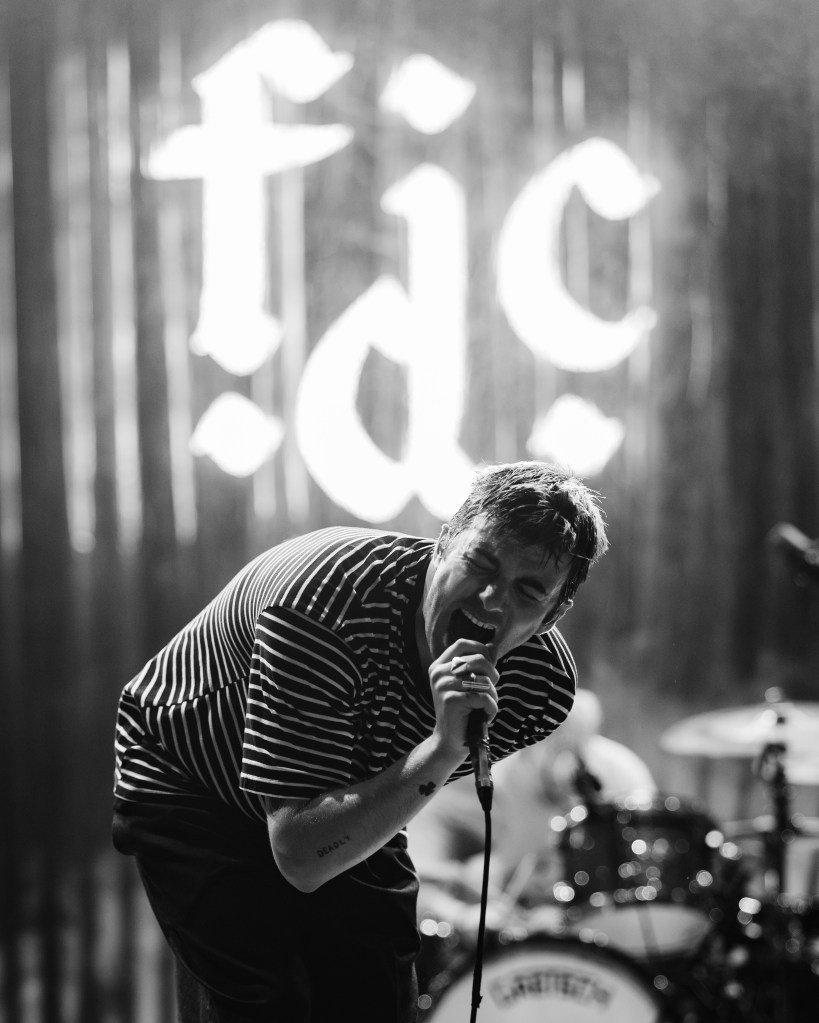
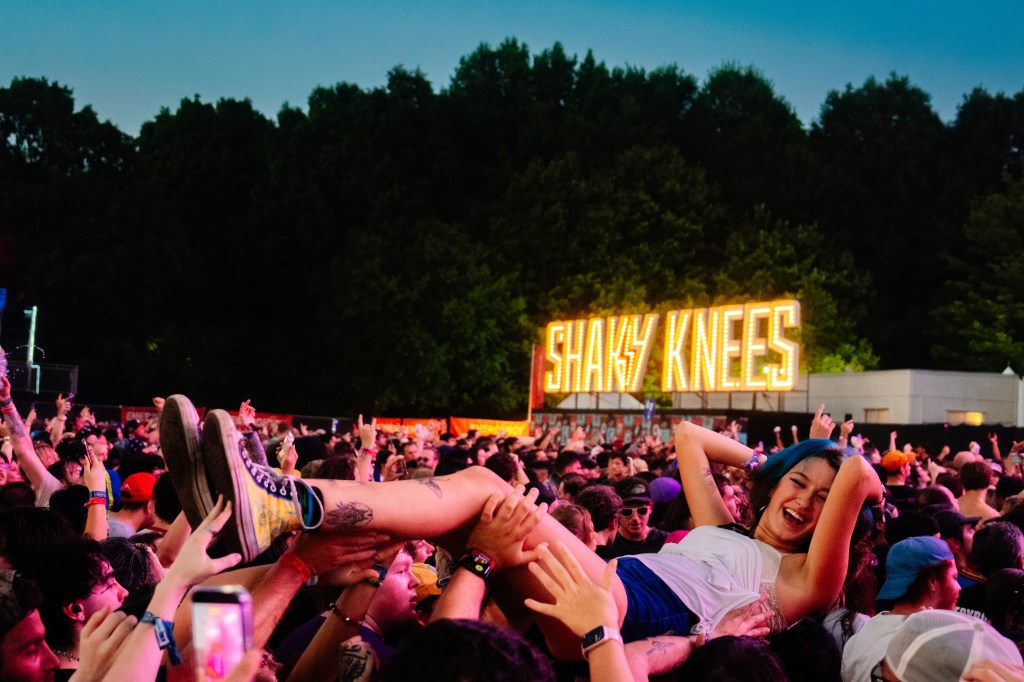
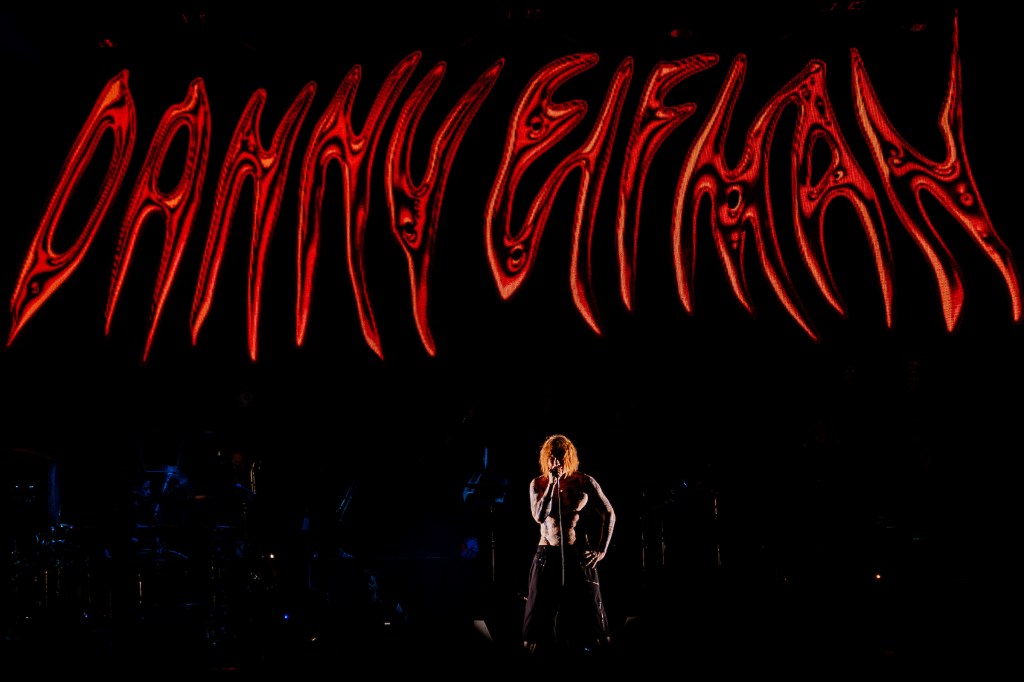
Friday was technically the shortest day, but the compressed schedule made it feel wonderfully relentless. Ben Howard and Atlanta pop-punk veterans Cartel helped open the proceedings, while Hot Mulligan supplied a dose of melodic aggression and Snow Strippers injected electronic volatility into the afternoon. Brooklyn’s Geese were among the early revelations, sounding considerably stranger and more muscular live than their hype might suggest, even slipping a Rich Homie Quan tribute into their Atlanta appearance. Alice Phoebe Lou provided a graceful sunset counterweight, while Fontaines D.C. demonstrated why their ascent has seemed almost inevitable, with Grian Chatten presiding over the stage with his characteristic mixture of detachment and menace. Danny Elfman offered something altogether different: part rock concert, part film-score fever dream, drawing from his solo work, Oingo Boingo and The Nightmare Before Christmas. Then came Turnstile. Their music seemed less performed than detonated. Bodies flew, the crowd surged, and the division between stage and audience became increasingly theoretical. It was exactly the kind of set Shaky Knees excels at producing — a band at full velocity meeting an audience delighted to lose its collective mind.
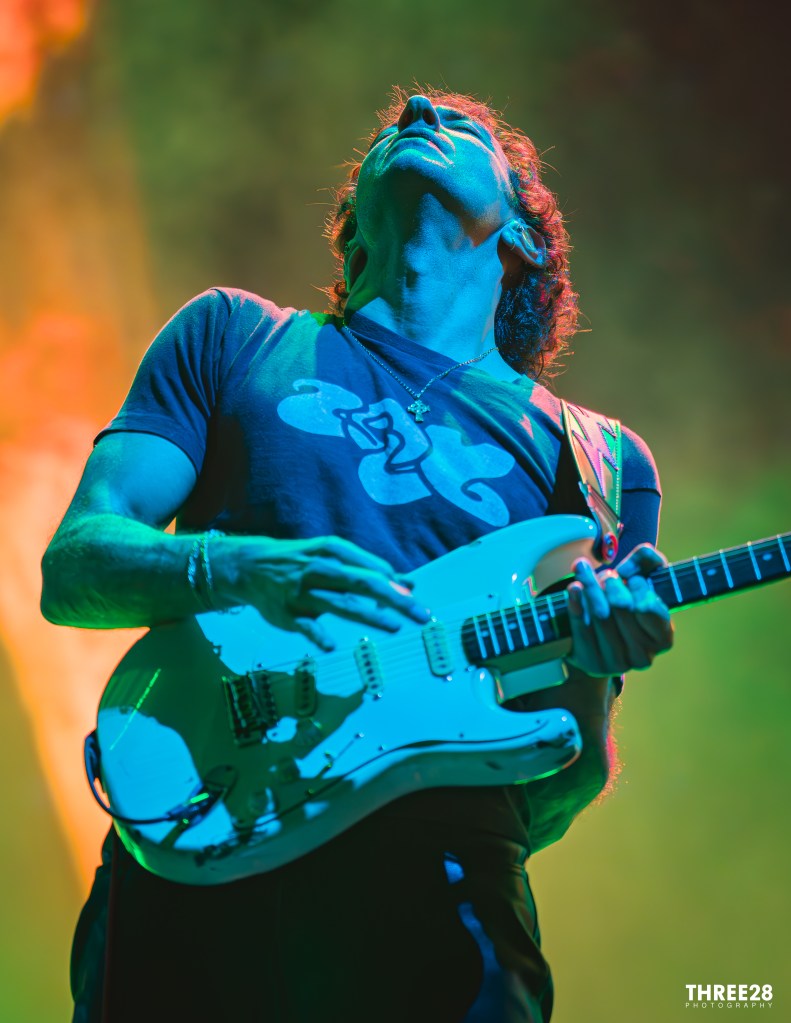
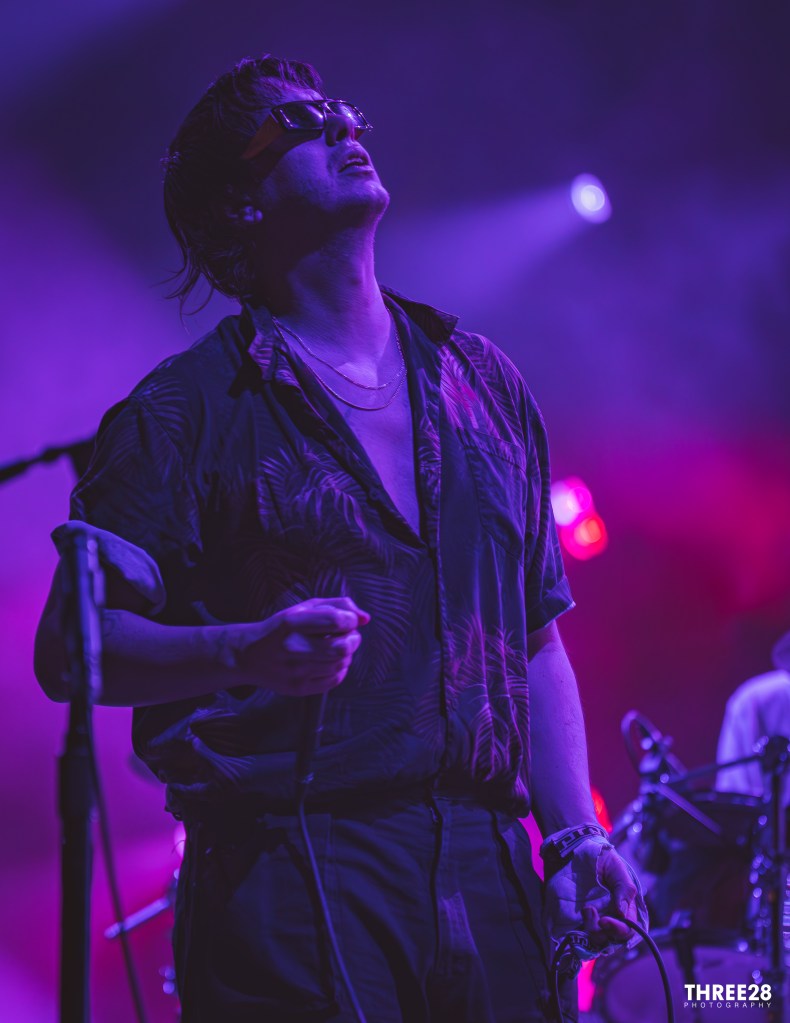
And then The Strokes walked out and reminded everyone why a band that once represented the future of rock can now command a festival through the gravitational pull of its past. Julian Casablancas remains an unusual frontman: half crooner, half disinterested comedian, perpetually appearing as though he wandered onto the stage five minutes after remembering he had a show. Yet the apparent casualness disguises how formidable this band remains. Opening with the newer “Dine N’Dash,” they quickly plunged backward through the catalog: “Hard to Explain,” “The Adults Are Talking,” “Juicebox,” “Someday,” “Is This It,” “You Only Live Once,” “Automatic Stop” and “12:51.” Each familiar guitar figure produced another roar from the lawn. By the closing stretch of “Last Nite” and “Reptilia,” thousands of people were shouting lyrics written more than two decades ago as if the songs had arrived last month. That is the strange achievement of The Strokes in 2026. Their music is now old enough to qualify as nostalgia, yet it rarely feels embalmed by it. Albert Hammond Jr. and Steve Schiltz‘ interlocking guitars still possess that dry, serrated precision, and Casablancas’ voice retains its beautifully battered texture. Friday ended not as an exercise in remembrance, but as evidence that certain records simply refuse to age politely.
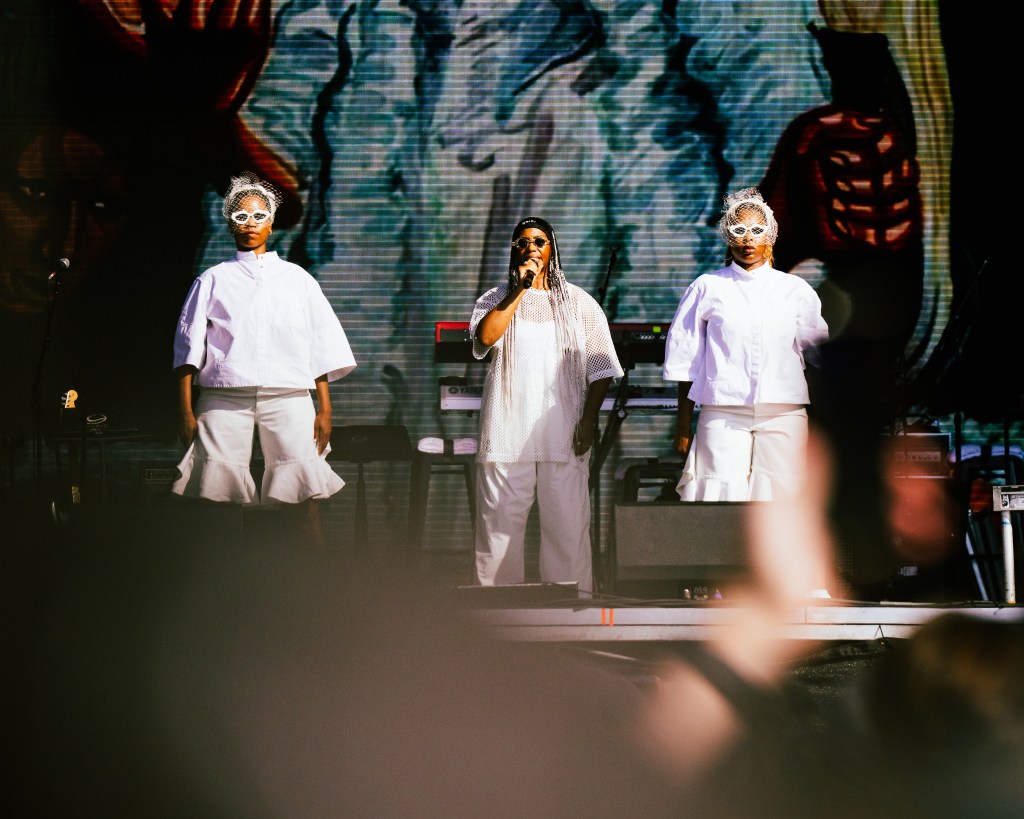
Saturday began under another punishing Atlanta sun, initially giving little indication of the chaos that would arrive later. Sir Chloe, Hotel Fiction and Australia’s Rum Jungle gave early arrivals reasons to brave the heat, while Psychedelic Porn Crumpets provided exactly the kind of deranged name-and-sound combination festival schedules need. Peach Pit supplied something sunnier and more relaxed, including “Shampoo Bottles” and “Private Presley.” Blood Orange, Dev Hynes’ shape-shifting project, was beginning an elegant blend of R&B, rock and atmospheric pop when the weather abruptly became the day’s real headliner. The sky darkened, lightning appeared, rain intensified, and around 6:30 p.m. the festival was evacuated. Wind gusts in parts of metro Atlanta exceeded 60 mph as the storm hammered the area. Blood Orange’s performance was truncated; the remainder of Taking Back Sunday was affected; and highly anticipated appearances by Pavement, Pierce the Veil and The Prodigy disappeared from the schedule entirely. Suddenly, thousands of elaborately dressed music fans were pouring out of Piedmont Park into a thunderstorm. Fishnets, eyeliner and torrential rain proved to be an unforgiving combination.
For more than two hours, Saturday existed in a strange limbo. Some attendees assumed the evening was finished and went home. Others took shelter nearby, refreshing their phones and hoping that the festival’s most unpredictable performer — Georgia weather — would eventually leave the stage. Then came the improbable announcement: gates would reopen at 9:20 p.m., and Twenty One Pilots would perform. The return to Piedmont Park had the atmosphere of people sneaking back into a party after a natural disaster. Shoes sank into newly created mud, clothes were soaked, and everyone looked slightly exhausted, but the inconvenience created an unexpected sense of camaraderie. Saturday had ceased being a normal festival day. Nobody returning through those gates was expecting perfection anymore. They simply wanted the night to have an ending. And in a peculiar way, the evacuation made what followed feel more significant. Twenty One Pilots were no longer merely Saturday’s scheduled headliner. They had been handed the responsibility of rescuing an evening that had very nearly disappeared.
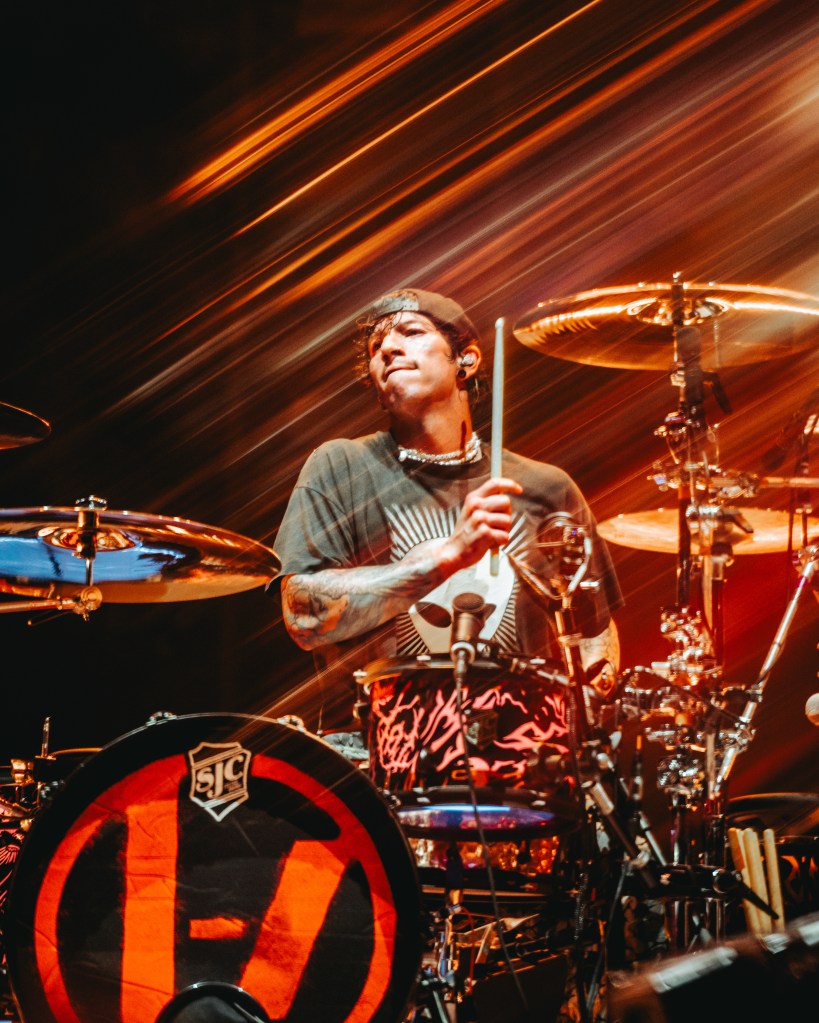
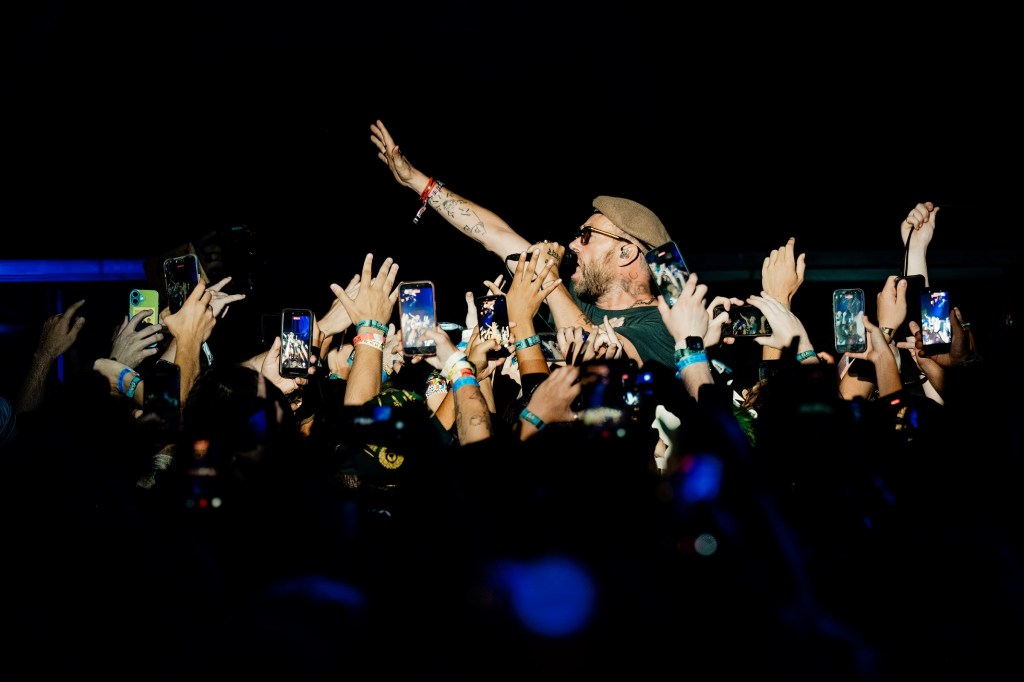
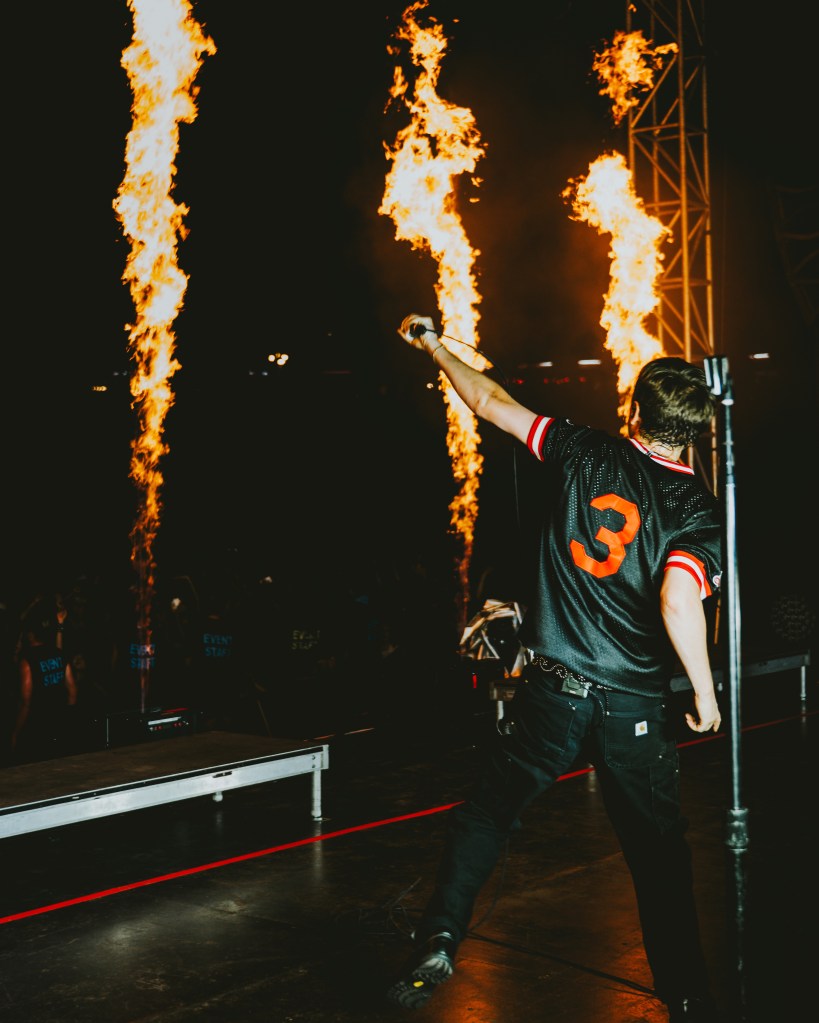
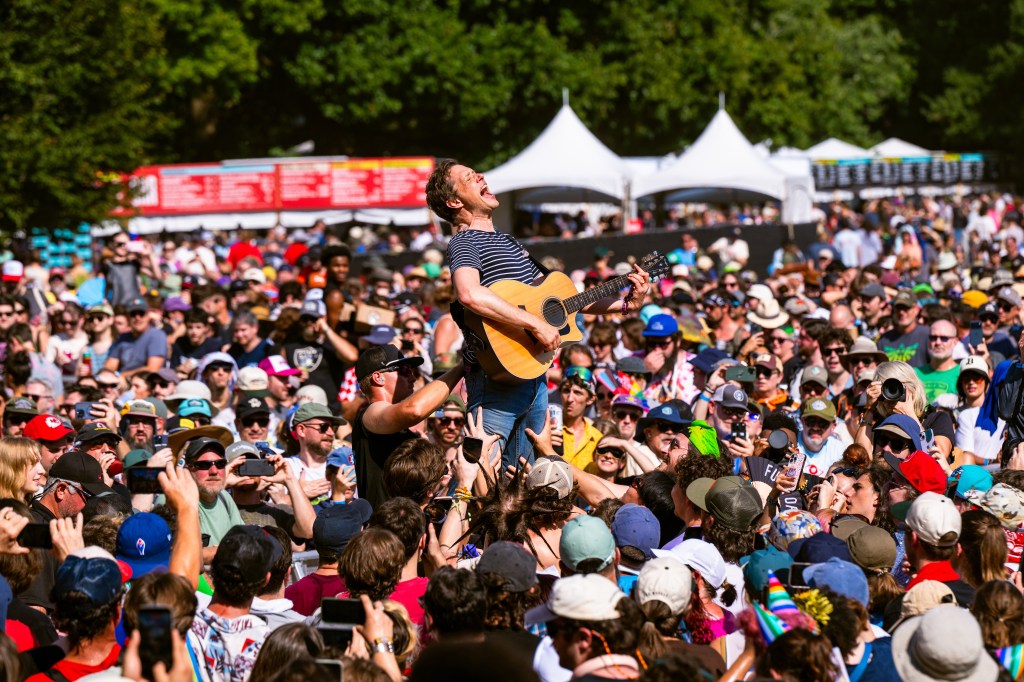
Twenty One Pilots did exactly that. Tyler Joseph and Josh Dun emerged with little time for subtlety and attacked the shortened window as if trying to compress an arena production into a single adrenaline rush. “Overcompensate” opened the set before “The Contract,” “Center Mass” and “Shy Away,” while “Heathens,” “Jumpsuit,” “Ride” and “Stressed Out” supplied the enormous communal choruses everyone had been waiting for. Joseph repeatedly collapsed the distance between performer and audience, including venturing into the crowd, while Dun’s drumming supplied the physical backbone to a show already operating at maximum intensity. What makes Twenty One Pilots unusually effective as festival headliners is their understanding that spectacle means little without participation. Their fans do not simply observe these songs; they inhabit them. After hours of uncertainty, that relationship became particularly potent. The final “Trees” felt almost cathartic, thousands of wet and muddy strangers shouting together before fireworks erupted above Piedmont Park. The set had been shortened because of the evacuation, but strangely, brevity strengthened it. There was almost no dead space — just release. Twenty One Pilots did not erase Saturday’s chaos. They transformed it into part of the performance.
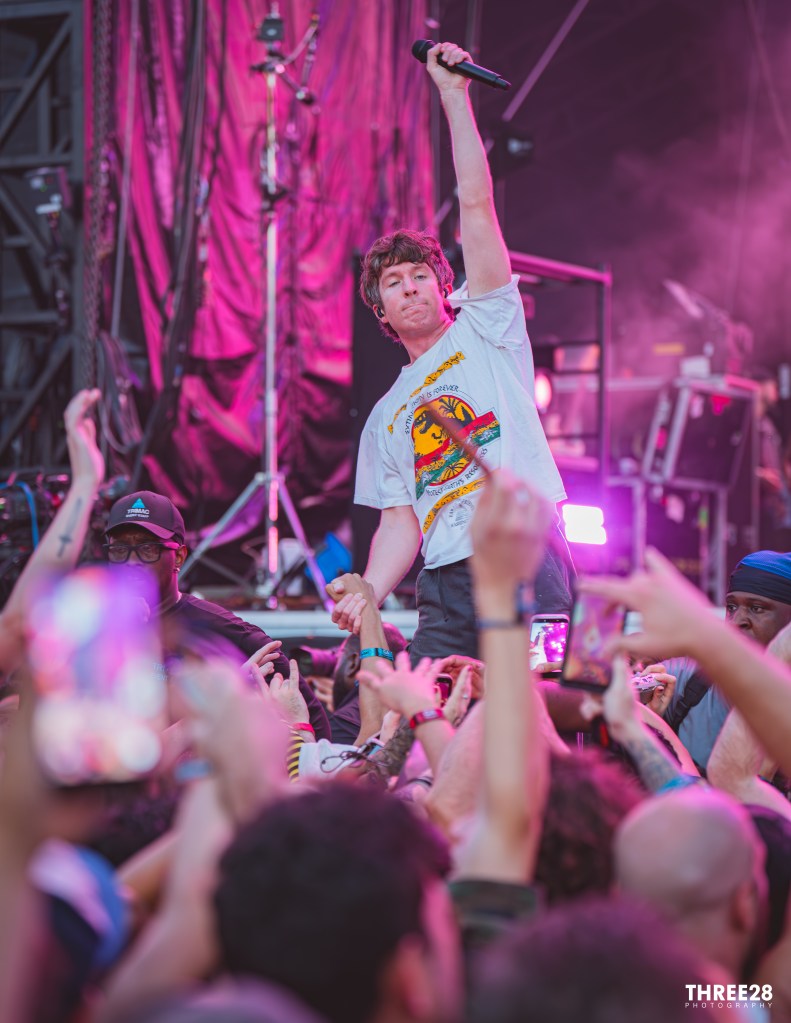
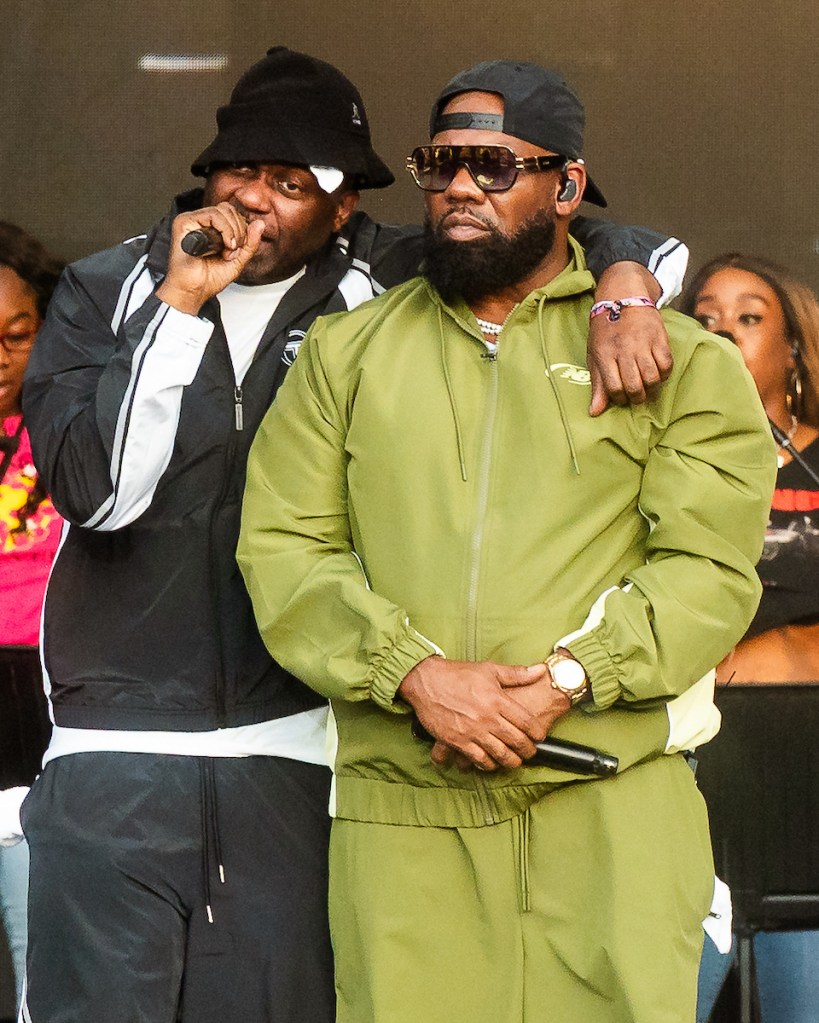
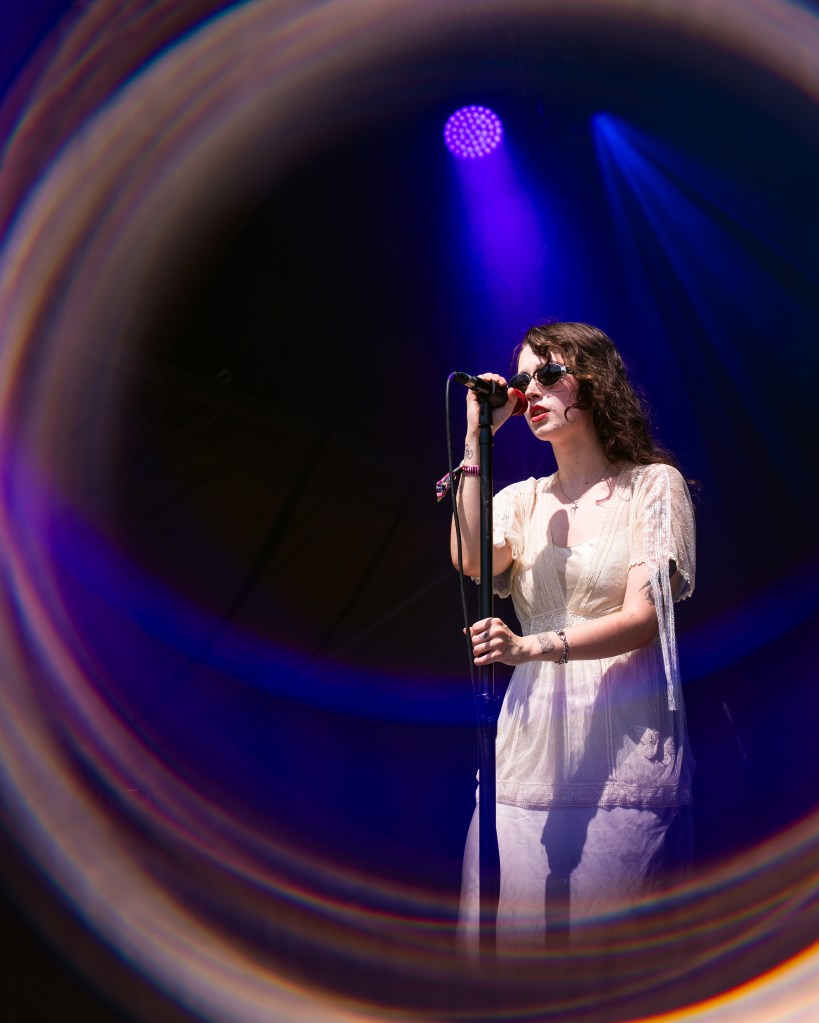
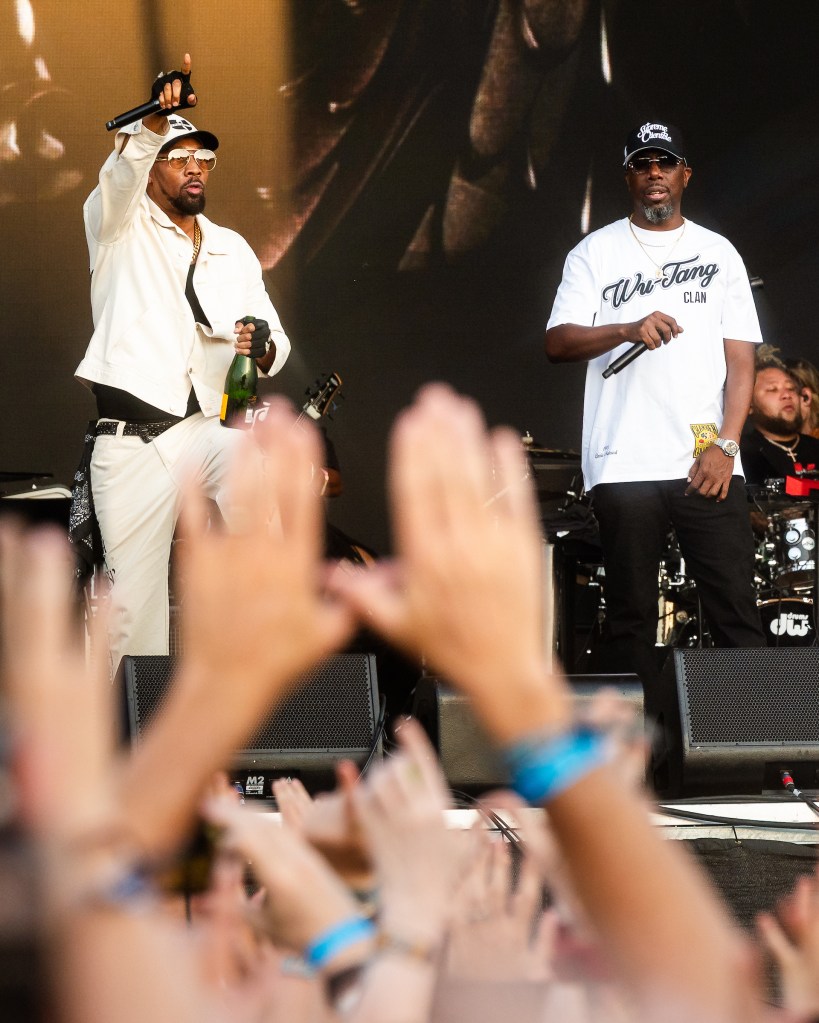
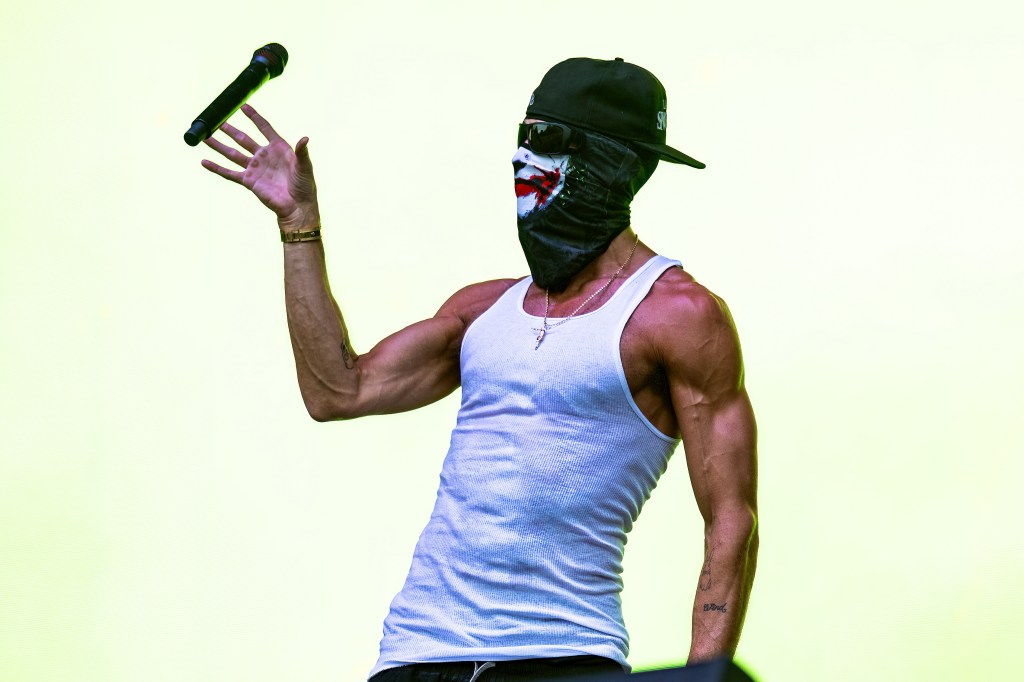
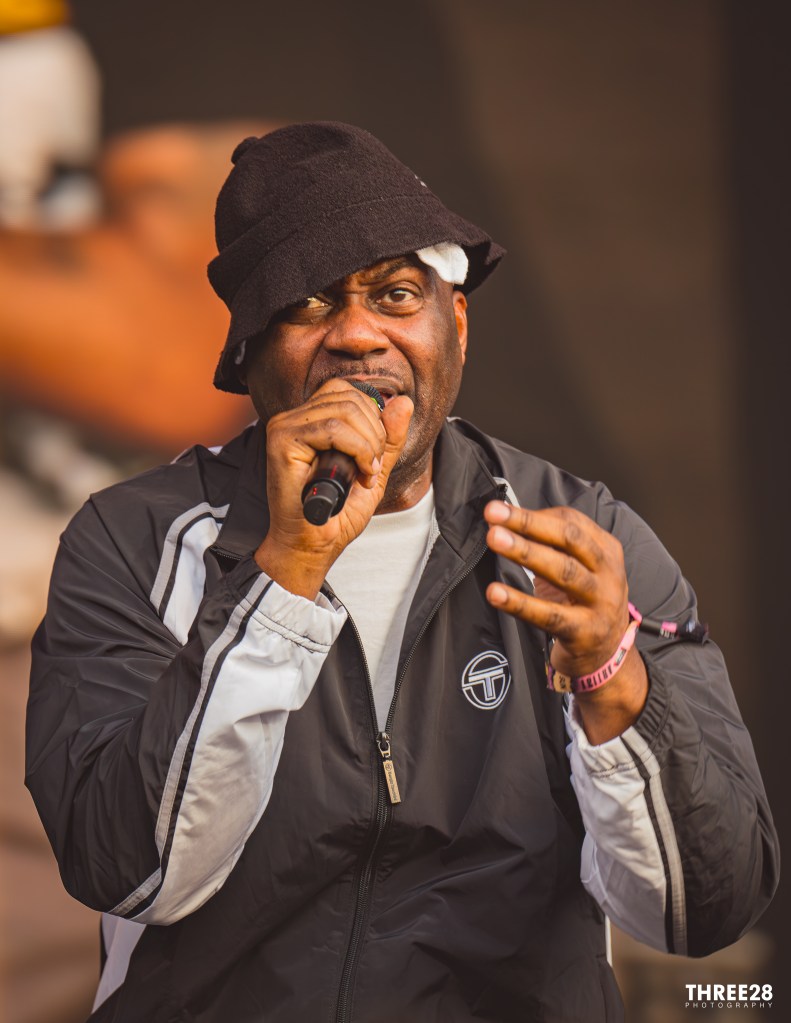
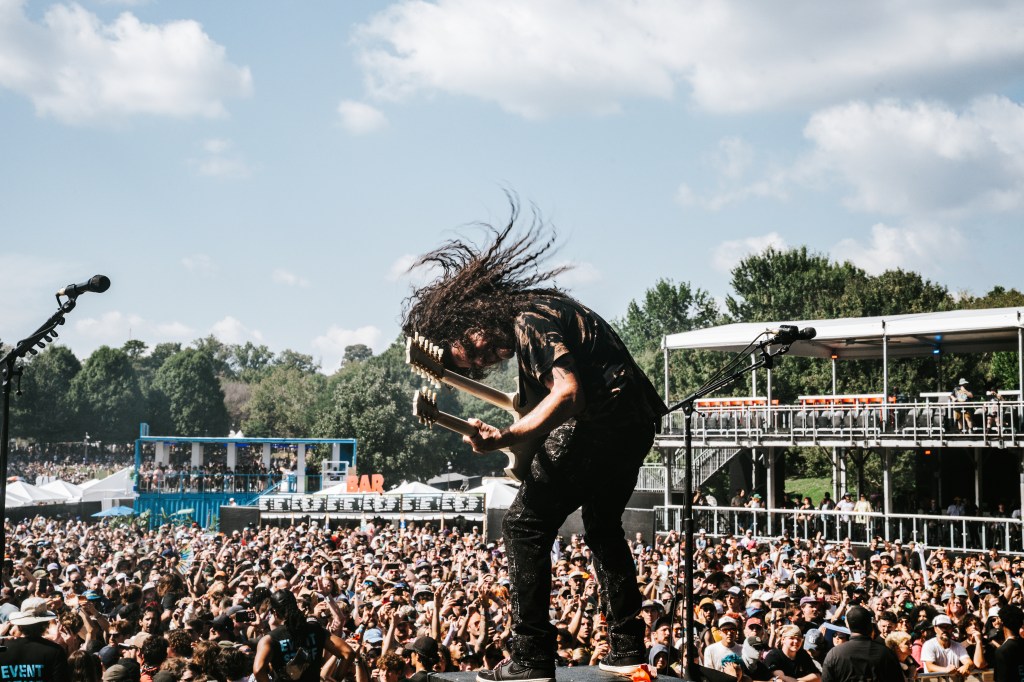
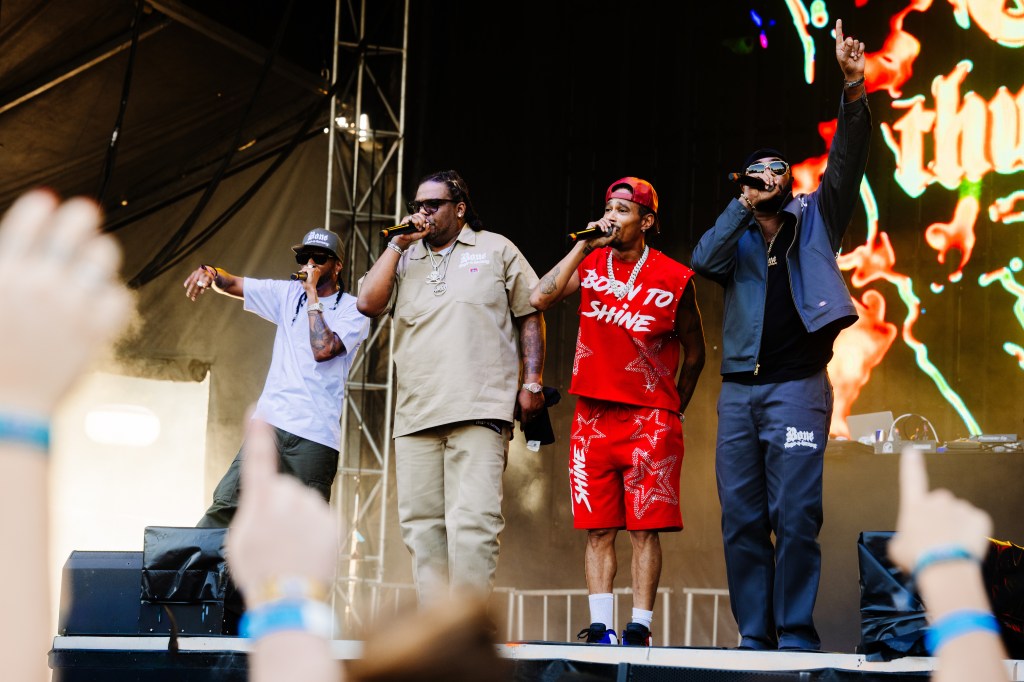
By Sunday, Piedmont Park bore physical evidence of what had happened. The immaculate grass of Friday had become muddy in places, and festival footwear divided neatly into two categories: shoes people had surrendered emotionally and shoes whose owners had not yet accepted their fate. Still, the full schedule returned, and Sunday may have offered the weekend’s broadest stylistic range. The Two Lips brought dream-pop charm; Santigold turned the Peachtree Stage into a colorful, rhythmic celebration; Modest Mouse provided crooked, familiar indie rock; JET delivered old-school swagger; Coheed and Cambria supplied progressive heft; and Knocked Loose unleashed hardcore brutality on anyone whose neck had somehow survived the previous two days. Bone Thugs-N-Harmony and Wu-Tang Clan also gave Sunday a welcome hip-hop presence, particularly appropriate in Atlanta. Wu-Tang’s appearance felt less like a genre excursion than a gathering of elders whose influence has long since escaped genre boundaries. Seeing them sharing a festival bill with Modest Mouse, Knocked Loose and Gorillaz was an excellent illustration of how far Shaky Knees has expanded from its narrower indie-rock origins.
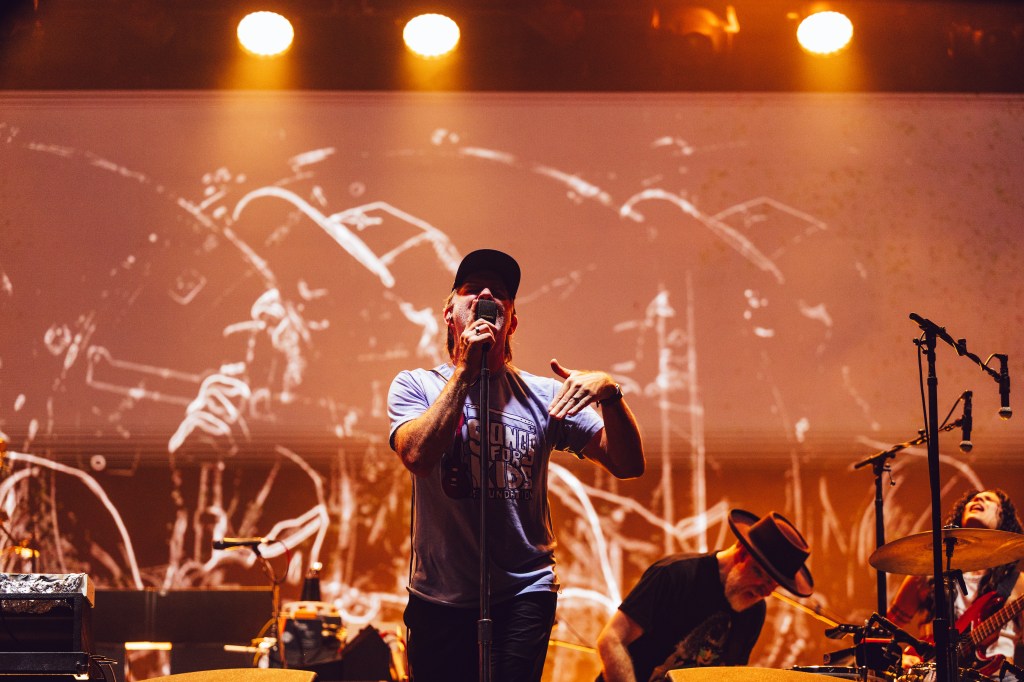
Then LCD Soundsystem turned the Piedmont Stage into an enormous outdoor nightclub. James Murphy’s great trick has always been making meticulously constructed music feel loose enough to fall apart at any moment, and on Sunday that tension was intoxicating. Electronic pulses accumulated patiently, percussion locked into hypnotic patterns and guitars arrived not as decoration but as rhythmic machinery. “Dance Yrself Clean” demonstrated the band’s mastery of delayed gratification, while “All My Friends” became one of the weekend’s most moving communal moments. There is something almost cruel about that song at a festival: a meditation on aging, friendship, time and the people who once occupied the center of your life, delivered while thousands of strangers dance beside one another. At one point technical trouble interrupted the sound, but the crowd continued the words themselves, turning malfunction into intimacy. By the end, LCD Soundsystem had produced one of those festival sets that makes walking toward the next stage feel vaguely insulting. Unfortunately for them, the next stage belonged to Gorillaz.
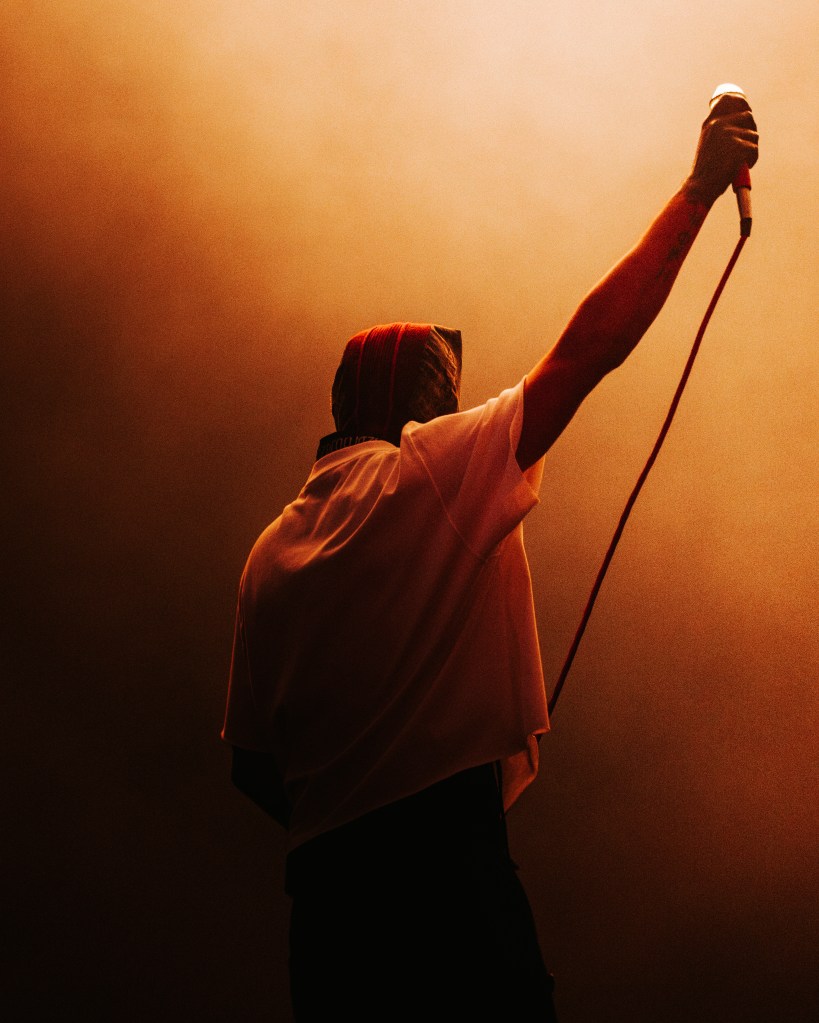
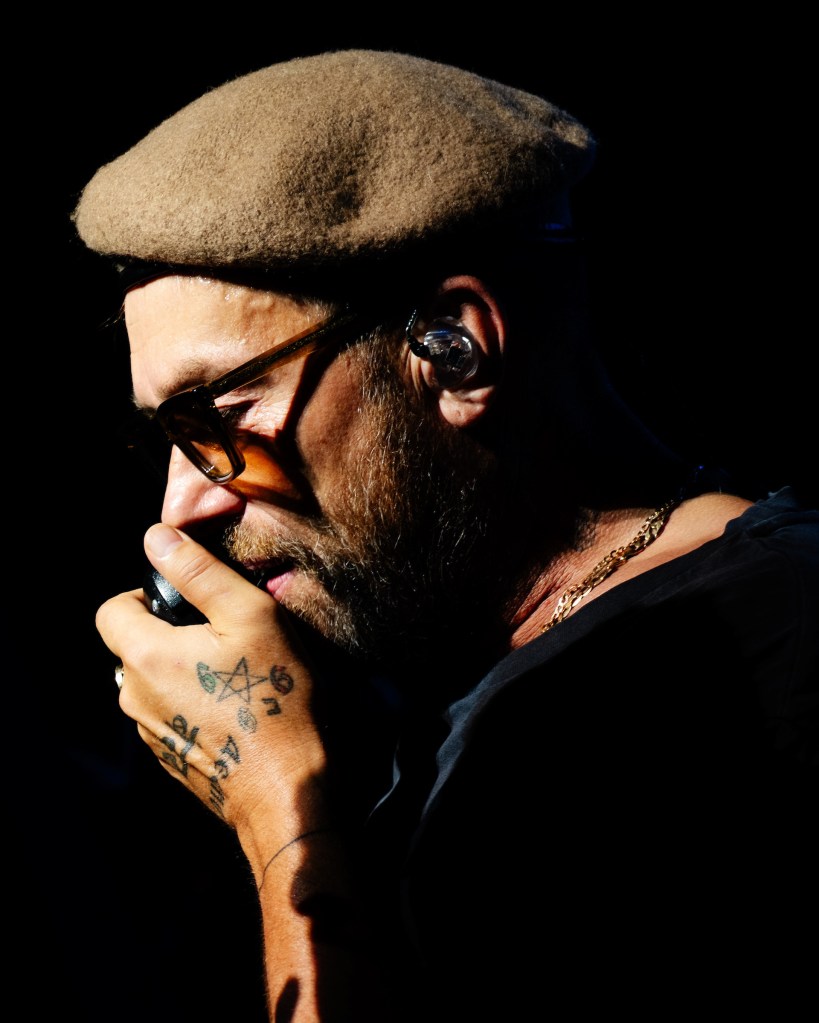
Gorillaz closed Shaky Knees as though Damon Albarn had been given permission to assemble his own miniature festival inside the festival. Their catalog has always ignored conventional boundaries, and the live presentation made that promiscuous musical curiosity tangible. Hip-hop collided with dub, alternative rock, electronic music, soul and pop while the animated universe surrounding the band flickered across enormous screens. Material from the newer The Mountain sat alongside songs that have become cultural landmarks: “Kids With Guns,” “Dirty Harry,” “Feel Good Inc.” and “Clint Eastwood.” More importantly, the performance kept expanding through its guests. DRAM appeared for “Andromeda,” 6LACK joined “The Pink Phantom,” EARTHGANG surfaced during “Opium,” and Del the Funky Homosapien arrived for the climactic “Clint Eastwood.” Rather than resembling a carefully preserved legacy act, Gorillaz felt like an unruly musical collective whose membership could change from one song to the next. Albarn stood at its center without needing to dominate every second, functioning as conductor, frontman and enthusiastic architect of controlled disorder.
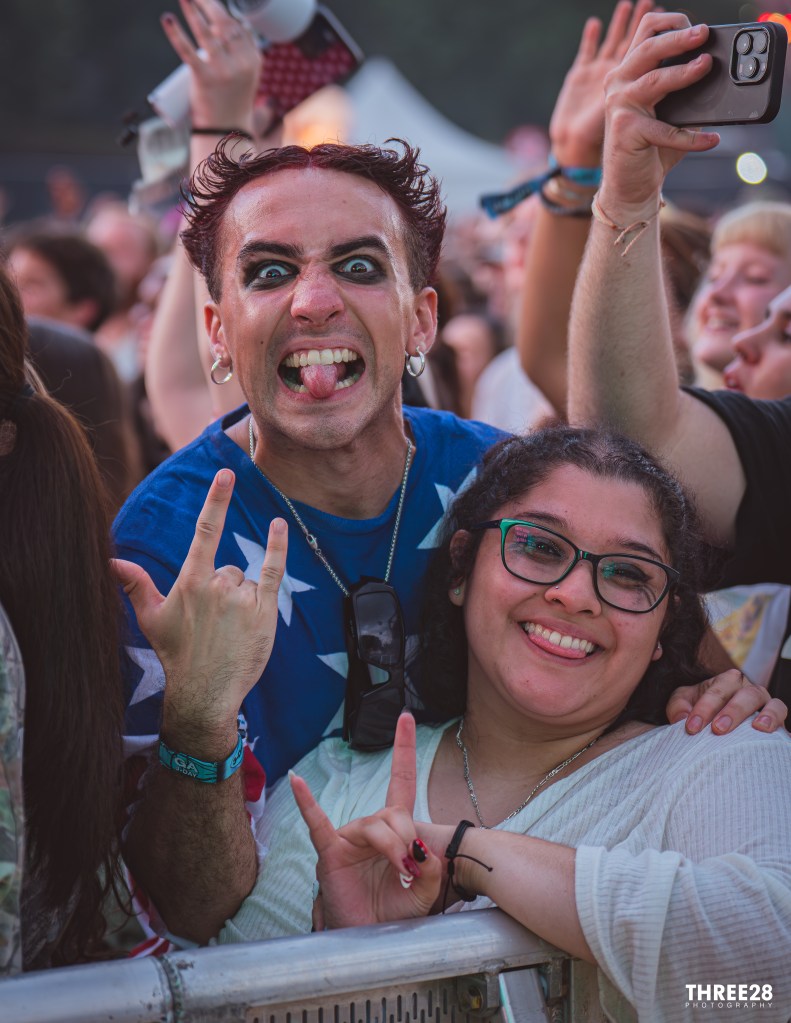
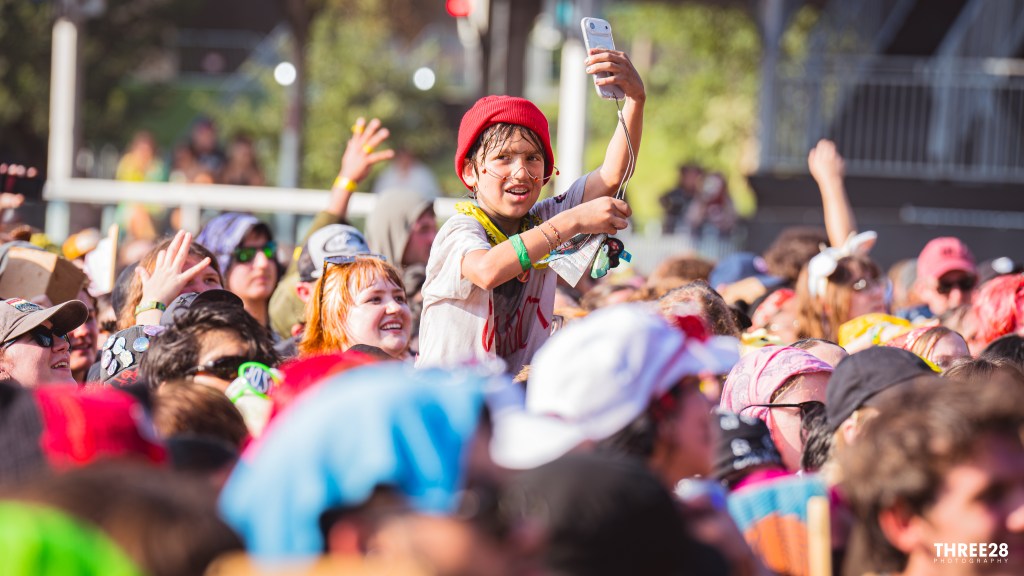
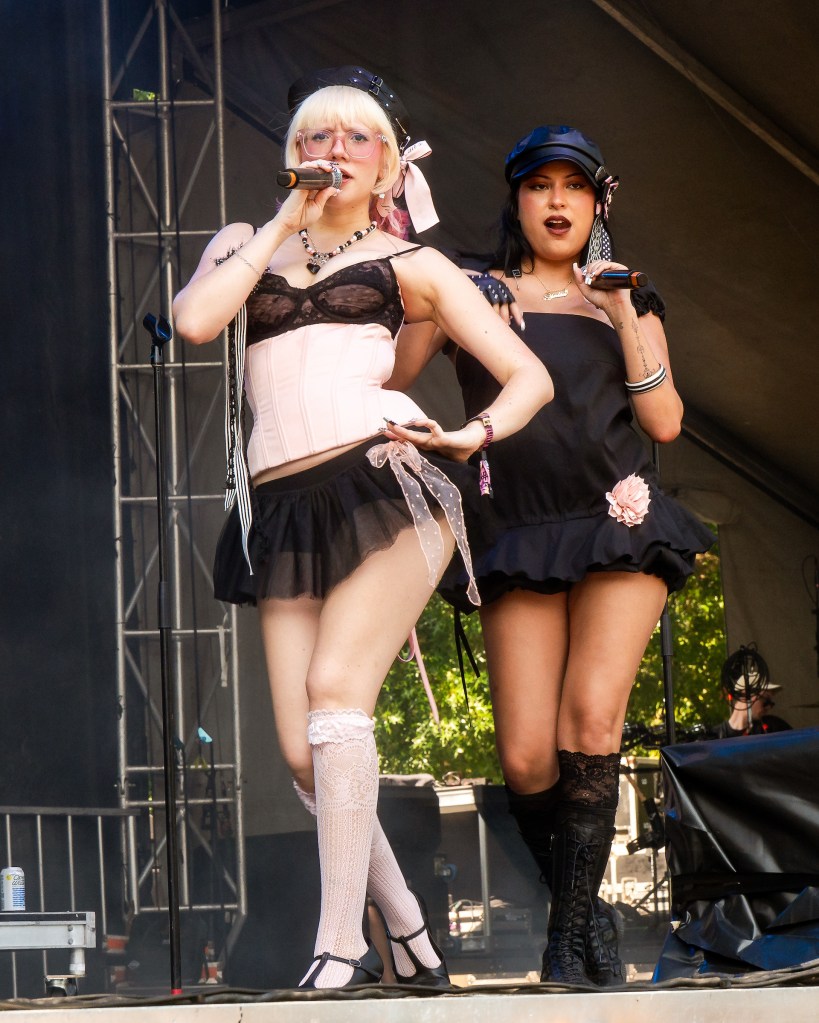
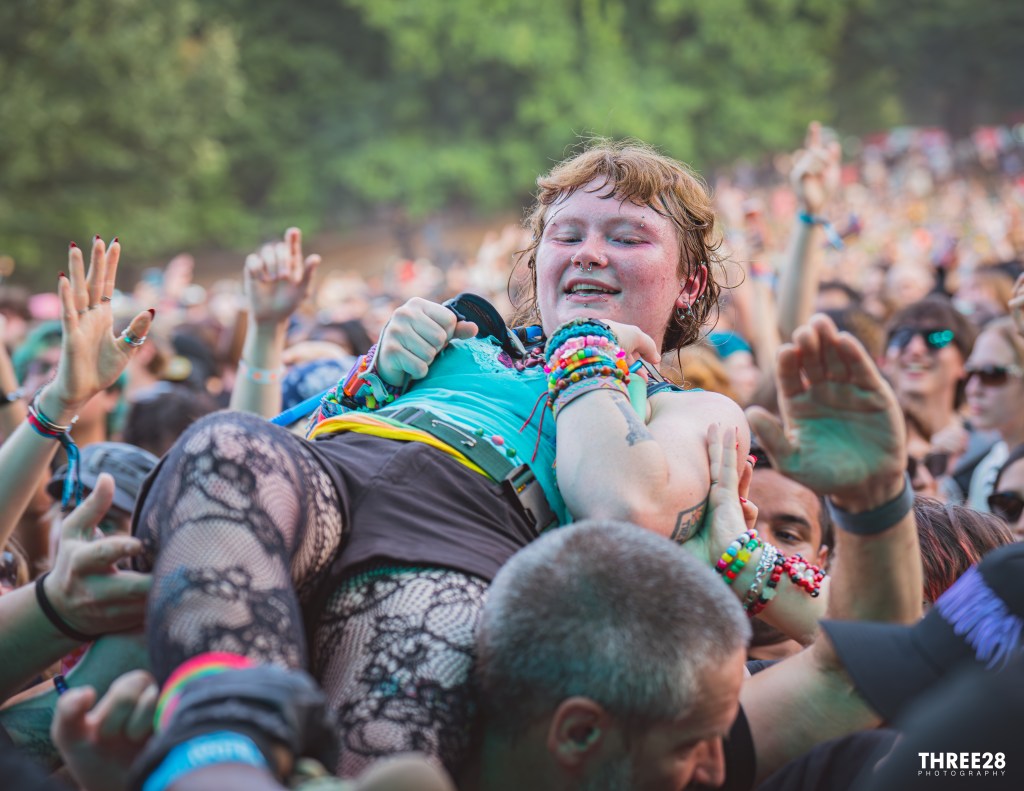
The crowd deserves its own paragraph because, at Shaky Knees, people-watching occasionally competed with the actual lineup. Festival fashion has always existed somewhere between personal expression and voluntary suffering, but 2026 produced some especially audacious decisions. Head-to-toe black leather appeared beneath a sun that seemed personally offended by Atlanta. There were towering boots, microscopic shorts, cowboy hats, mesh everything, chains, sequins, fairy wings, gothic makeup, fluorescent accessories and enough vintage band shirts to construct a wearable history of alternative music. Some attendees looked prepared for Coachella, others for a basement punk show, others for a rave occurring after the apocalypse. Saturday’s storm only improved the absurdity. Carefully assembled outfits became drenched survival gear; immaculate boots became mud-caked artifacts. Yet almost nobody seemed embarrassed. That is part of what festivals still offer in an increasingly curated world: three days in which dressing like an absolute lunatic is not merely tolerated but quietly respected. By Sunday, the pristine fashion parade had evolved into something better—sweaty, muddy, sleep-deprived people who had stopped worrying about appearances and were simply there for the music.
What ultimately distinguished Shaky Knees 2026 was not perfection. Saturday alone made perfection impossible. Major acts were lost to the storm, communication during the evacuation frustrated some attendees, and Atlanta’s September heat spent much of the weekend attempting to cook everyone standing on the lawn. Yet the imperfections became inseparable from the memory. Friday offered the youthful electricity of Geese and Fontaines D.C., the physical eruption of Turnstile, Danny Elfman’s theatrical weirdness and The Strokes reminding an enormous audience why those early records changed rock music. Saturday became a story people will probably exaggerate beautifully in five years: the oppressive heat, the blackening sky, the evacuation, the deluge and the improbable march back into Piedmont Park before Twenty One Pilots turned a damaged evening into a celebration. Sunday then broadened the festival’s vocabulary through Santigold, Wu-Tang Clan, Knocked Loose, LCD Soundsystem and a guest-filled Gorillaz finale. It was messy, eclectic and occasionally ridiculous—in other words, exactly what a memorable festival should be.
Thirteen editions after beginning as Sweetwood’s attempt to fill a hole in Atlanta’s musical calendar, Shaky Knees no longer needs to prove that it belongs here. Piedmont Park gives it a scale worthy of what it has become, while the Midtown skyline supplies a backdrop no temporary festival installation could manufacture. There are legitimate questions about how mainstream the booking should become and how far the lineup should expand beyond its rock-centered roots, but 2026 demonstrated that breadth does not necessarily mean losing identity. The connective tissue was never a single genre anyway. It was curiosity: the willingness to spend an afternoon discovering a band you barely knew, destroy yourself in a Turnstile crowd, scream a Strokes lyric written when you were a teenager—or before you were born—dance to LCD Soundsystem, watch Wu-Tang command an Atlanta audience and finish the weekend with Damon Albarn and Del the Funky Homosapien sending “Clint Eastwood” across Piedmont Park. The best festivals leave behind more than setlists. They leave stories. Shaky Knees 2026 left plenty: sunburn, ruined shoes, bizarre outfits, lightning, evacuation, fireworks, mud, ringing ears and three days when Atlanta once again felt like one enormous, gloriously strange music town.


Leave a comment