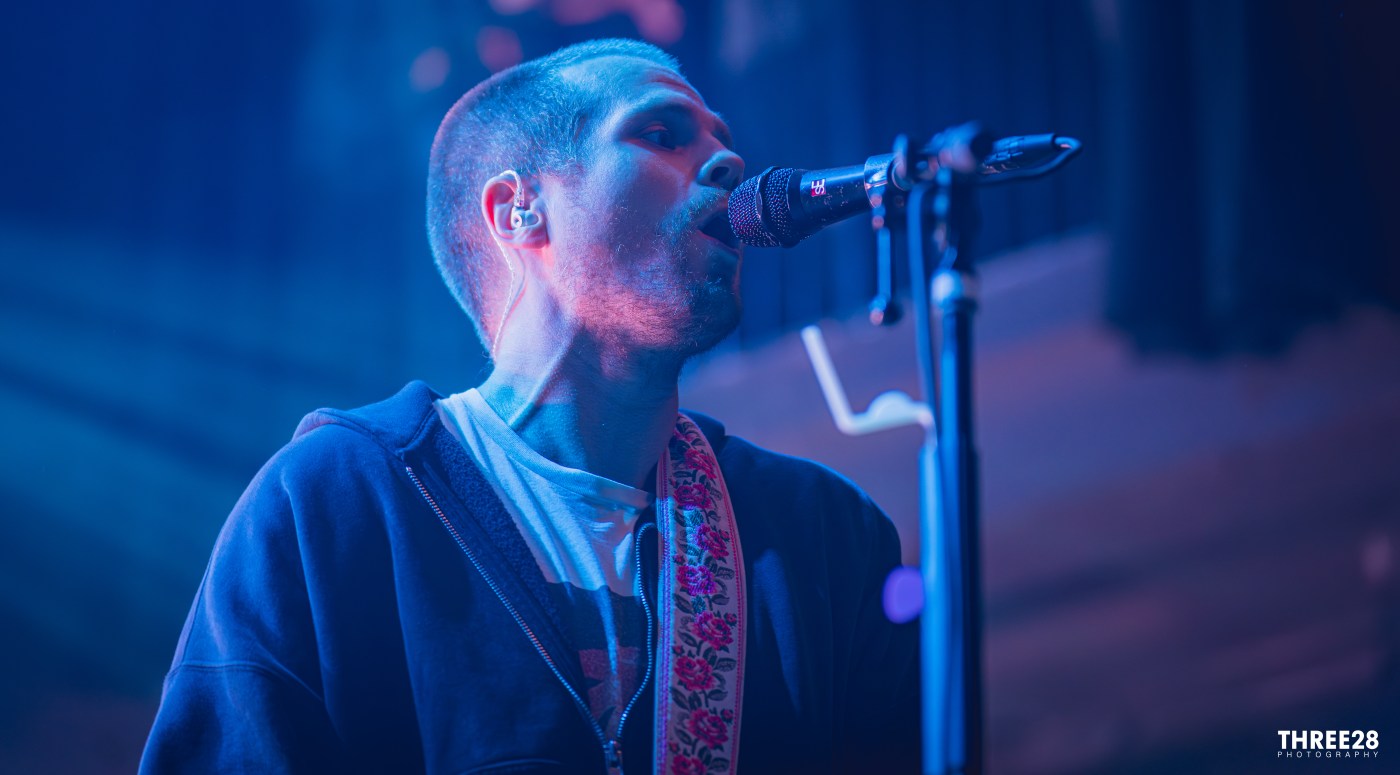
There is something particularly compelling about a band that refuses to be confined by the boundaries of its genre, and Dead Poet Society have spent the better part of a decade establishing themselves as precisely that kind of act. Formed in Boston in 2013, the quartet emerged from a college friendship and an independent-minded approach to making music, gradually cultivating a following through relentless experimentation, emotionally charged songwriting, and an uncompromising sonic identity. Their progression from the independently released Axiom to 2021’s -!- and 2024’s Fission has established them as an increasingly important presence within contemporary alternative rock. They occupy an interesting intersection of alternative metal, progressive sensibilities, and melodic hard rock, borrowing the aggression of heavier movements without sacrificing atmosphere or accessibility. Their latest full-length offering, Monarch, released October 2, represents another significant evolution. Produced alongside Paul Meany, the record embraces greater sonic contrast, pairing abrasive guitar textures with unconventional rhythms, expansive melodies, and lyrical vulnerability. Rather than simply revisiting familiar territory, DPS appear determined to expand their kingdom, and their latest material suggests that their creative ambition remains considerably larger than any single classification.
The anticipation inside the Heaven Stage at The Masquerade was unmistakable. A packed house had gathered, and as the lights began to dim, the audience collectively erupted into a thunderous chant of “DPS! DPS! DPS!” It was not merely an expression of excitement; it was a declaration of allegiance. The band had not yet appeared, but the room already belonged to them. When the opening notes of “Hollywood on Fire” finally detonated through the speakers, any remaining anticipation was immediately replaced by unrestrained movement. Choosing the opening track from Monarch was an inspired decision. Its muscular rhythm, volatile atmosphere, and explosive delivery provided an immediate introduction to the band’s current creative direction. There was no tentative easing into the evening, no lengthy preamble, and certainly no shortage of volume. The opening assault established the evening’s temperament with almost surgical precision, demonstrating that Dead Poet Society understand the difference between simply beginning a performance and making an entrance. If the intention was to set the room ablaze, the assignment was accomplished before the first song had even concluded.
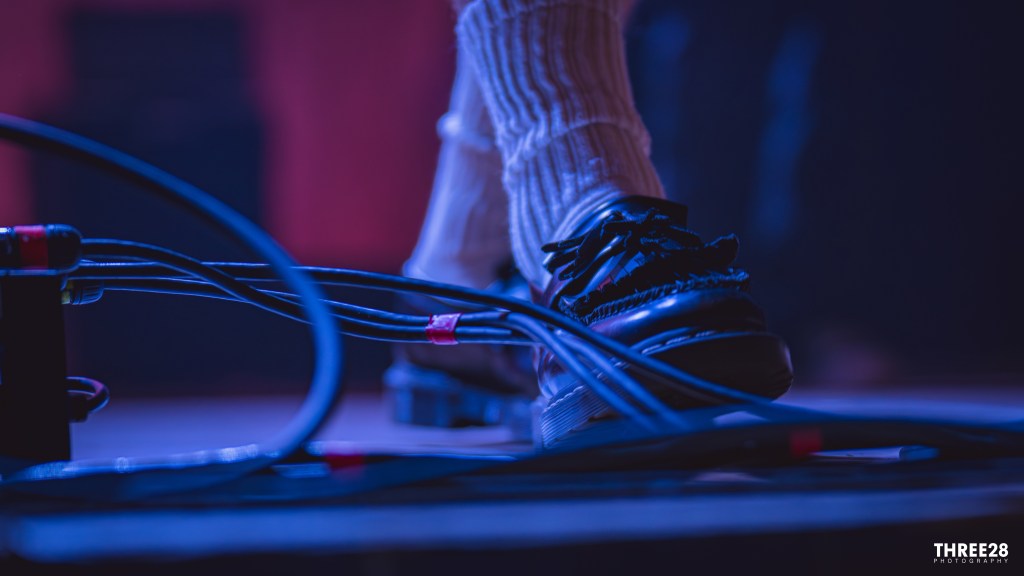
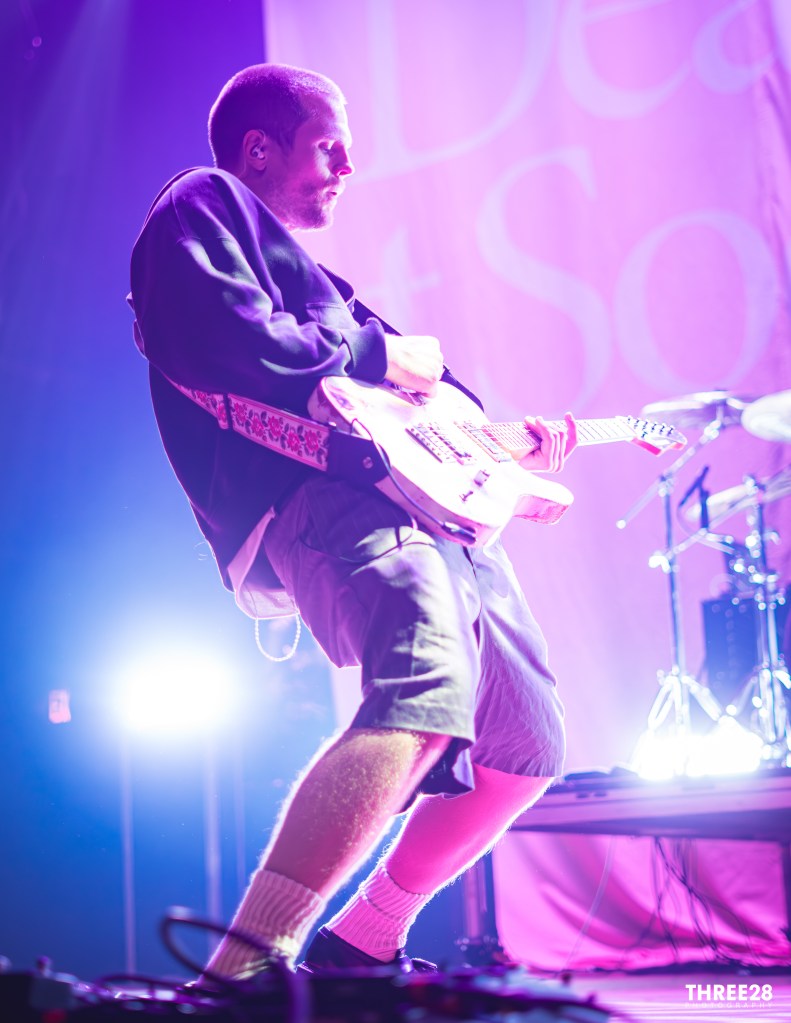
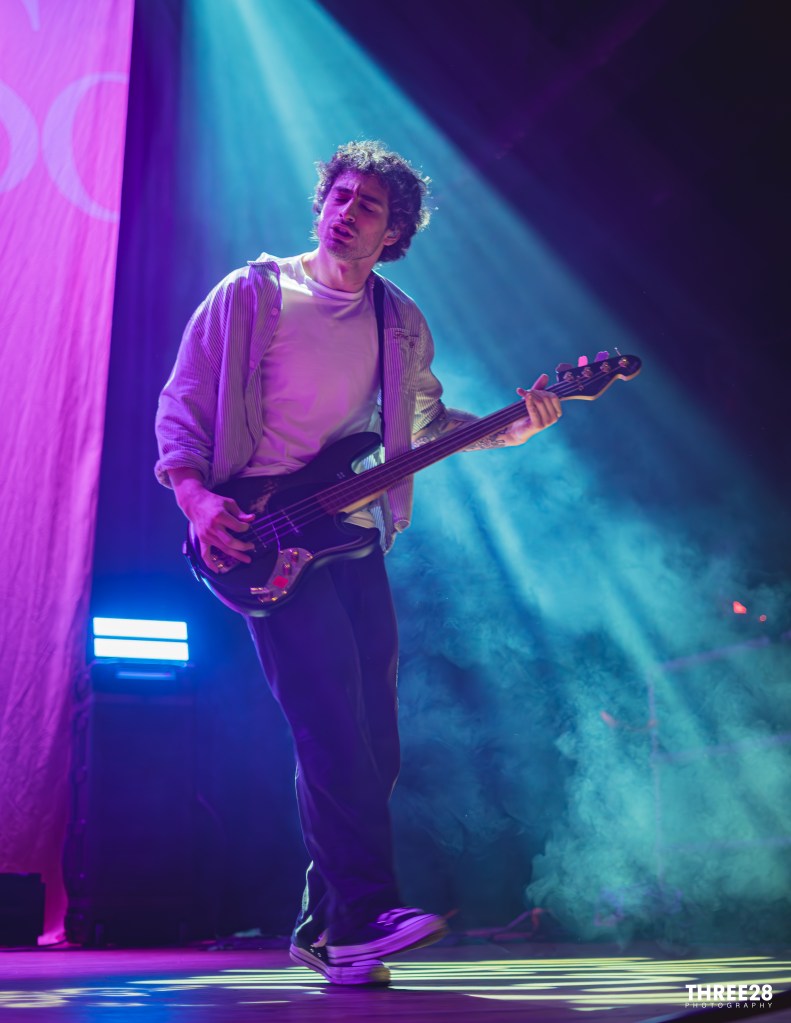
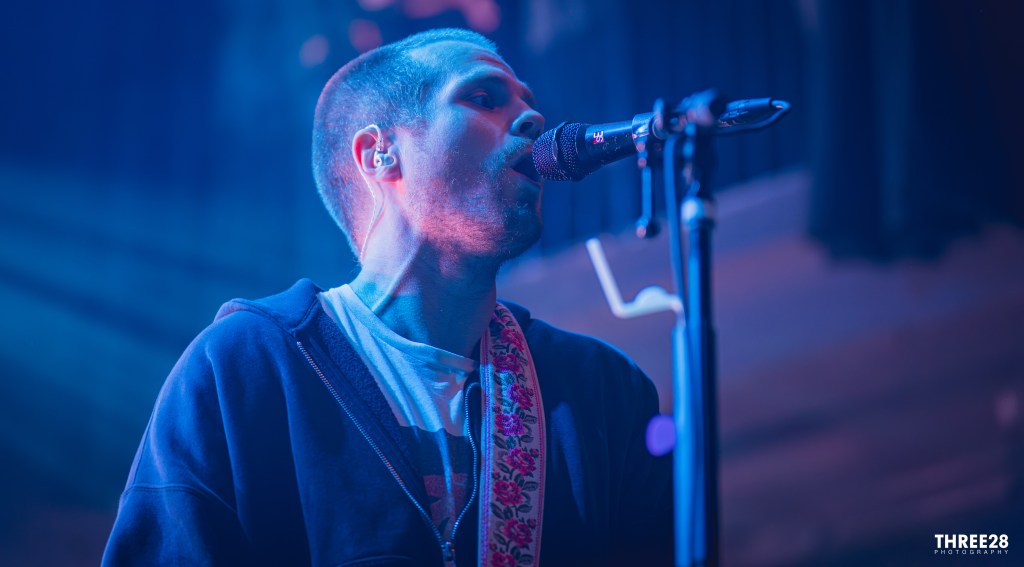
Much of the group’s appeal rests upon the remarkable chemistry between its four members, each contributing something essential to the overall experience. Jack Collins provides the additional guitar work, layering intricate passages, muscular riffs, and atmospheric flourishes that give the arrangements their considerable depth. Dylan Brenner‘s bass playing supplies the low-end foundation, frequently moving beyond conventional accompaniment to become a commanding rhythmic presence in its own right. Will Goodroad, meanwhile, is an absolute force behind the drum kit. His precision, dynamic control, and willingness to unleash punishing bursts of percussion give the compositions an almost physical intensity. Together, the musicians create an arrangement that feels simultaneously disciplined and dangerous. Nothing sounds accidental, yet the performance retains an exhilarating sense of unpredictability. At the center stands vocalist and guitarist Jack Underkofler, whose commanding delivery provides the emotional anchor. His stage appearance was equally memorable: a distressed white Friedman guitar, white socks pulled up to mid-calf, and some chunky black casual slip-on shoes. It was an unusual combination that somehow made perfect sense, a little unconventional, a little irreverent, and entirely his own. The footwear may have suggested formal occasion, but the sonic proceedings were anything but polite.
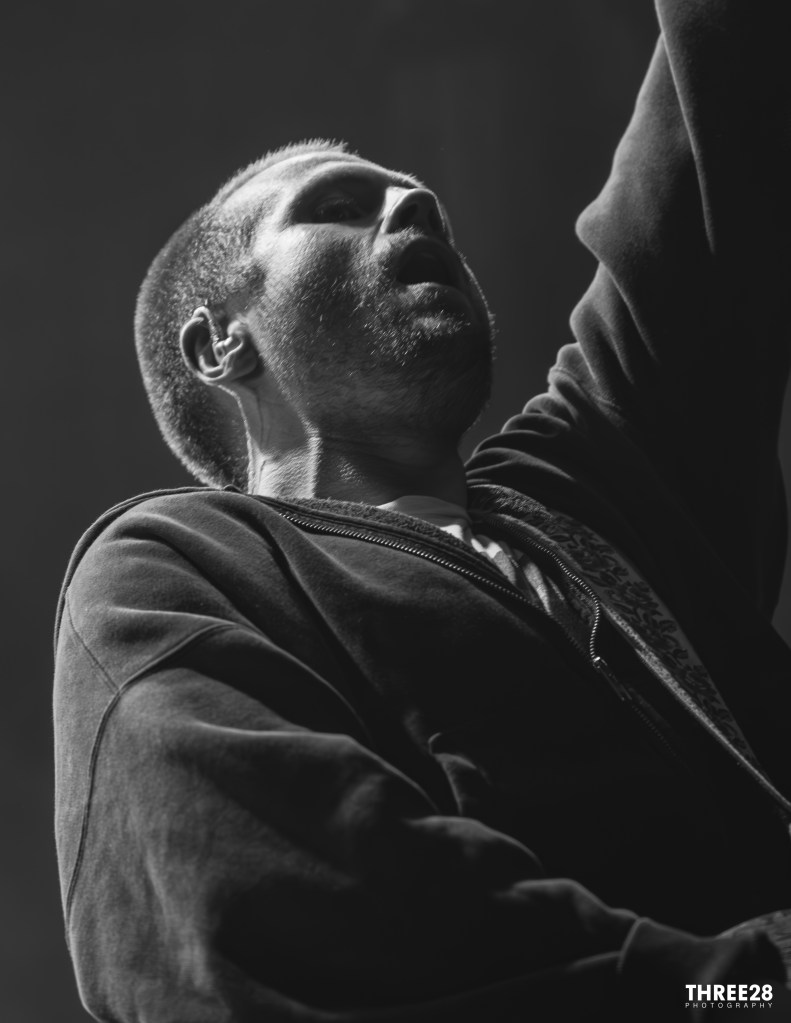
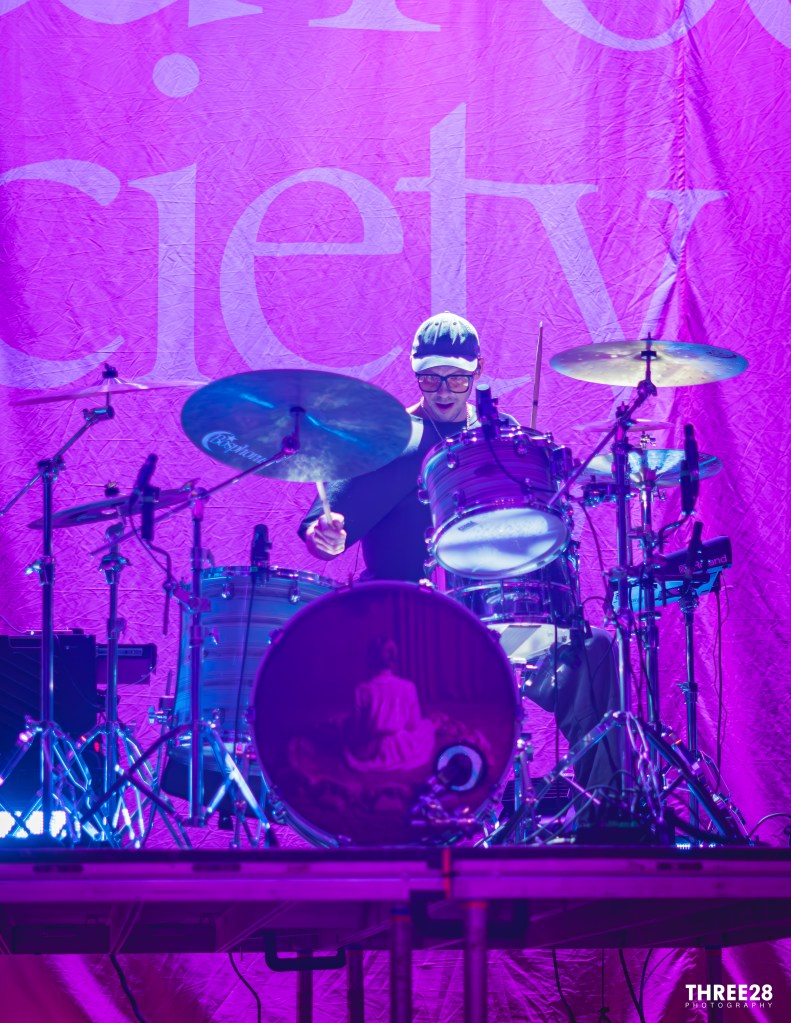
Underkofler possesses an especially compelling ability to move between restrained vulnerability and outright vocal ferocity. His delivery never feels detached from the material; instead, every inflection seems to carry the weight of the subject matter. One moment he is navigating a melodic passage with considerable sensitivity, the next he is unleashing a visceral scream that cuts through the instrumentation with startling authority. His guitar work is similarly expressive, alternating between jagged rhythmic attacks and more delicate melodic passages. There is an authenticity to his performance that cannot be manufactured through elaborate production or rehearsed theatrics. Collins, Brenner, and Goodroad complement that intensity without competing for attention, creating a cohesive musical conversation in which every instrument has room to speak. The result is a captivating balance between individual personality and collective execution. Their arrangements breathe, collide, and occasionally threaten to come apart at the seams, only to snap back together with impressive cohesion. The group has clearly developed an understanding of how to translate its studio intricacies into something considerably more visceral onstage. Their musicianship does not merely reproduce the recordings; it gives those compositions another dimension.
The evening also provided an opportunity to appreciate how naturally the newer material integrates with the band’s established catalogue. Monarch demonstrates an outfit increasingly comfortable embracing unconventional structures, unexpected rhythmic shifts, and the tension between melodic beauty and abrasive instrumentation. Tracks such as “Roach,” “Cold,” and “Sinner Systems” exemplify this willingness to explore unfamiliar territory while retaining the unmistakable characteristics that initially attracted listeners. The record does not feel like a departure from the group’s identity so much as a more confident articulation of it. That distinction matters, particularly within a contemporary rock landscape where countless acts appear content to reproduce whichever formula currently commands attention. Dead Poet Society have instead chosen to develop their own vocabulary, and the audience response suggested that their listeners are more than willing to follow. Although Honey Revenge shared the co-headlining bill, the atmosphere during DPS’s performance became a celebration of the band’s particular brand of musical unpredictability. Everywhere one looked, there were raised arms, animated faces, synchronized movement, and an unmistakable appreciation for the experience. This was not an audience standing politely through a collection of songs; it was a room actively participating in something memorable.
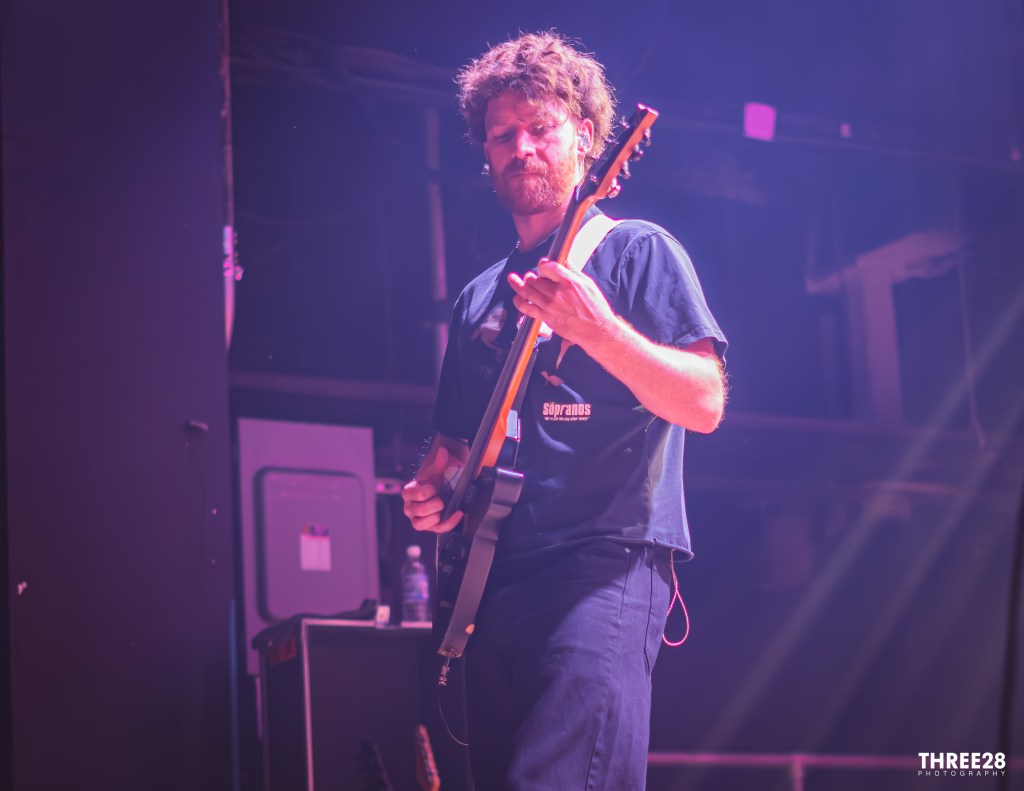
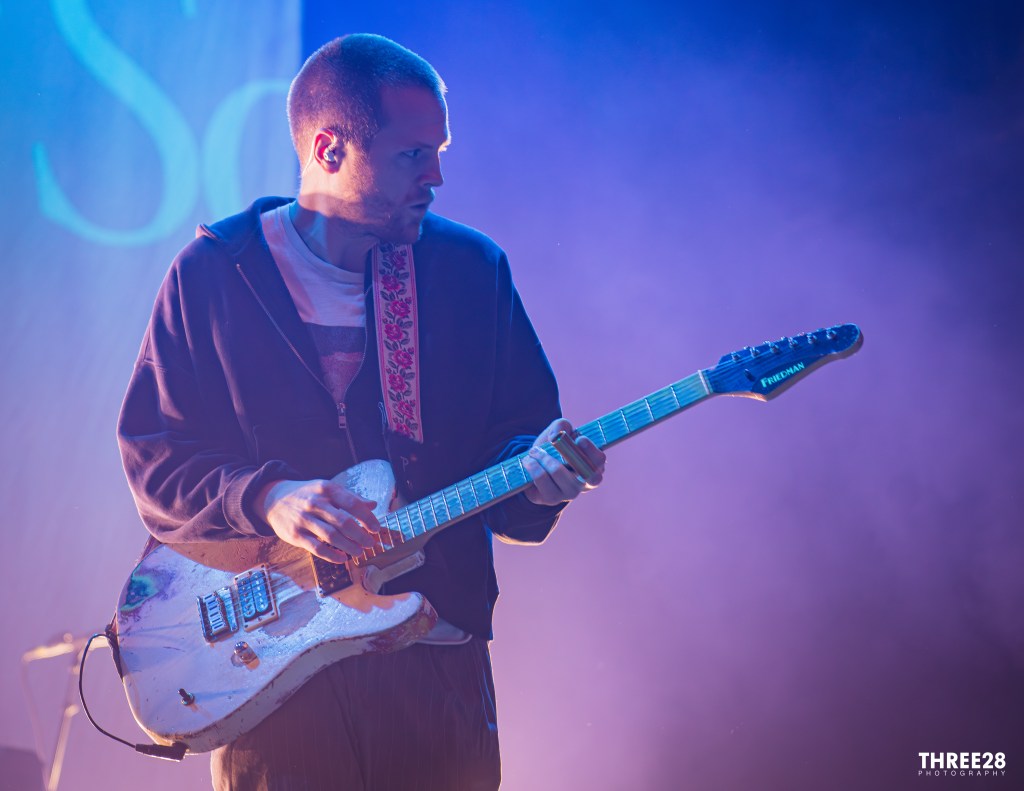
As the performance approached its conclusion, the band delivered the kind of closing statement that makes leaving a concert particularly difficult. “HURT” arrived with the emotional weight and sonic intensity necessary to bring the evening full circle. Its combination of atmospheric tension, melodic urgency, and explosive heaviness provided a fitting final chapter, allowing the quartet to demonstrate once again that emotional resonance and sheer volume are hardly mutually exclusive. The audience responded accordingly, embracing every moment until the final notes disappeared into the room. What remained was the unmistakable feeling of having witnessed a band operating with tremendous conviction and an increasingly refined understanding of its own potential. Dead Poet Society are no longer simply an emerging alternative-rock act with something to prove. They are a formidable live proposition, a creatively restless collective, and an increasingly influential contributor to the genre’s evolving identity. Monarch may be the latest chapter in their story, but its arrival feels less like a coronation than an announcement of what is still to come. Their reign is far from over, and judging by the enthusiasm inside that room, the audience has absolutely no intention of surrendering its allegiance.


Leave a Reply